Frosty webcap
Cortinarius hemitrichus
A species of Cortinar.
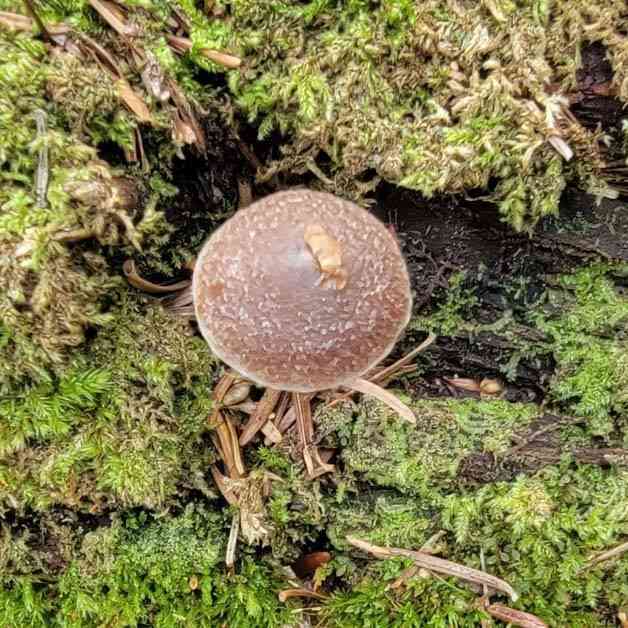
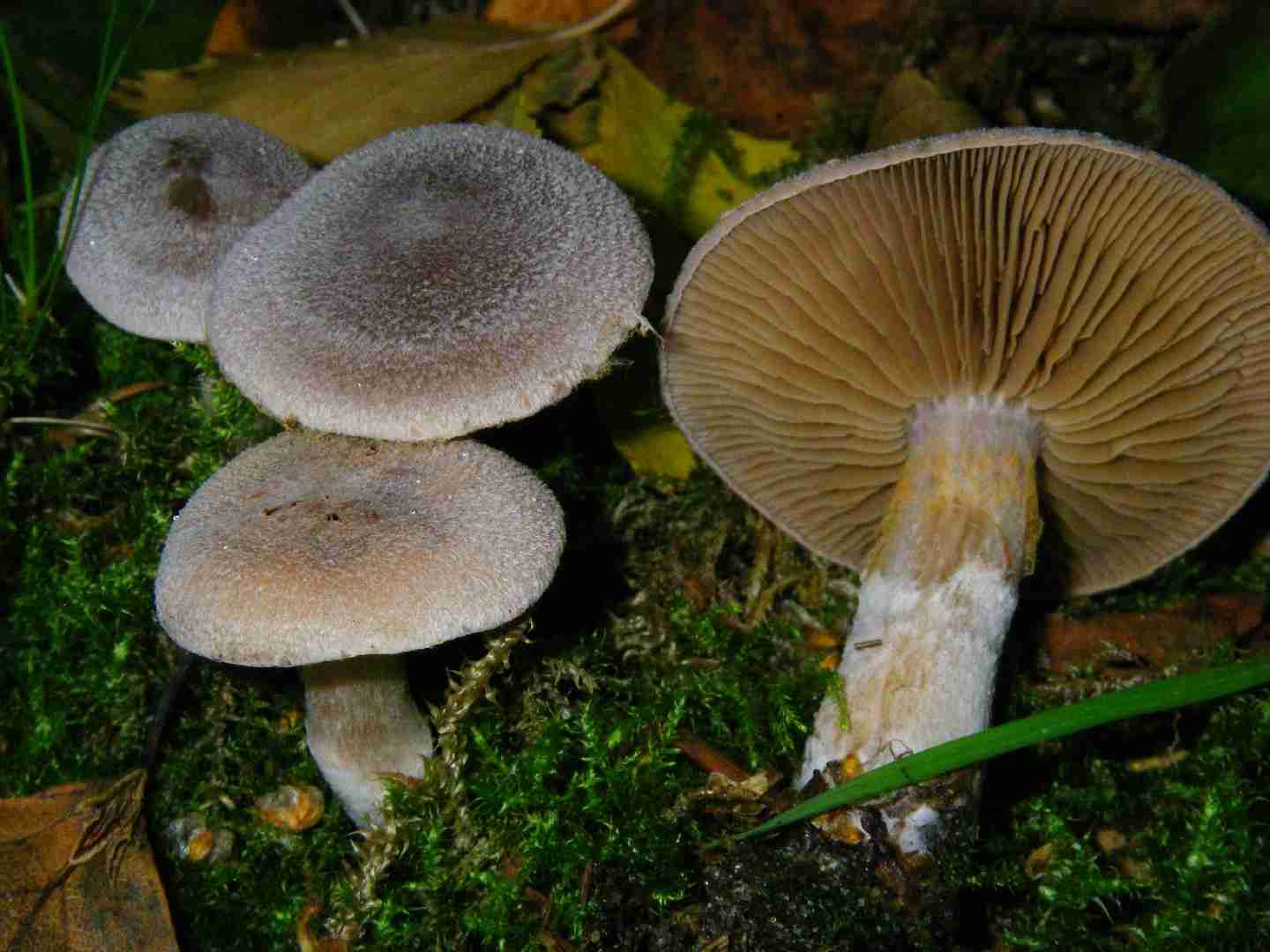
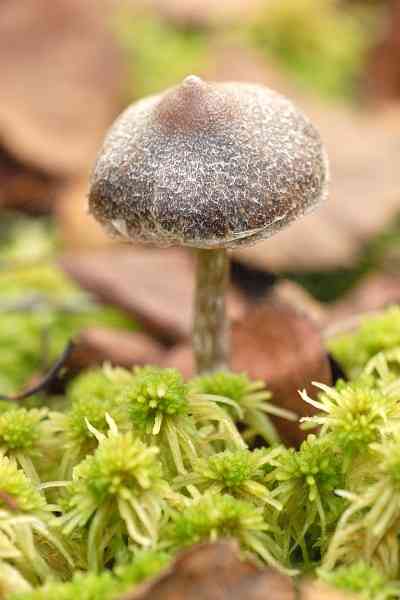
The frosty webcap (Cortinarius hemitrichus) appears to be dusted with frost due to the white fibrils covering its cap. In their early stages, these mushrooms have gills veiled by a delicate web of fibers. They are not suitable for consumption, and certain closely related species within the genus are known to produce potent toxins that can cause severe damage to the kidneys and liver.
In This Article
Attributes of Frosty webcap
Cap Diameter
2 - 5 cm
Height
7 - 10 cm
Cap
Cap 2 - 4.5 cm wide; convex; brown; hygrophanous, soon silky; margin almost white from floccose
Cap Shape
Bell-shaped, Convex
Cap Surfaces
Fibrillose-scaly
Gills
Distantly spaced; grayish-earthy, then ochraceous ferruginous, later almost cinnamon
Gill Attachment
Attached
Stem
Stem 5 - 6 cm long and 3 - 6 mm thick; cylindrical, quite slender; white, light brown inside; inside with thin, winding fibers, covered with silky fibrils on the surface
Stem Shapes
Club Shaped
Stem Surfaces
Scaly
Flesh
Thin, much lighter in damp weather; quite tough; watery brown in damp weather, whitish with brownish tinge
Ring
With Ring
Spore Print Color
Rusty brown
Odor
Mildly mushroomy, indistinct aroma.
Body Color
BrownBronzeGray
Flesh Bruises
The flesh or milk does not discolor when bruised or cut.
Growth Form
Gregarious
Nutrient Gathering
Mycorrhizal
Substrate
Wood Chips or Mulch, On soil
You can find Frosty webcap by these plants
Pines, Oaks, Spruces
Occurence Habitats
Deciduous Woodland
Species Status
Occasional in Britain and Ireland
Endangered Species
No
Scientific Classification of Frosty webcap
Phylum
Club fungi
Class
Mushroom-forming fungi
Order
Gilled fungi
Family
Cortinariaceae
Genus
Cortinar
Toxicity and Edibility of Frosty webcap
Is Frosty webcap Toxic?
The frosty webcap (Cortinarius hemitrichus), despite its intriguing name, is far from a culinary delight. This mushroom contains orellanine, a potent toxin capable of causing severe damage to vital organs like the kidneys and liver if ingested.