Blushing webcap
Cortinarius cyanites
A species of Cortinar.
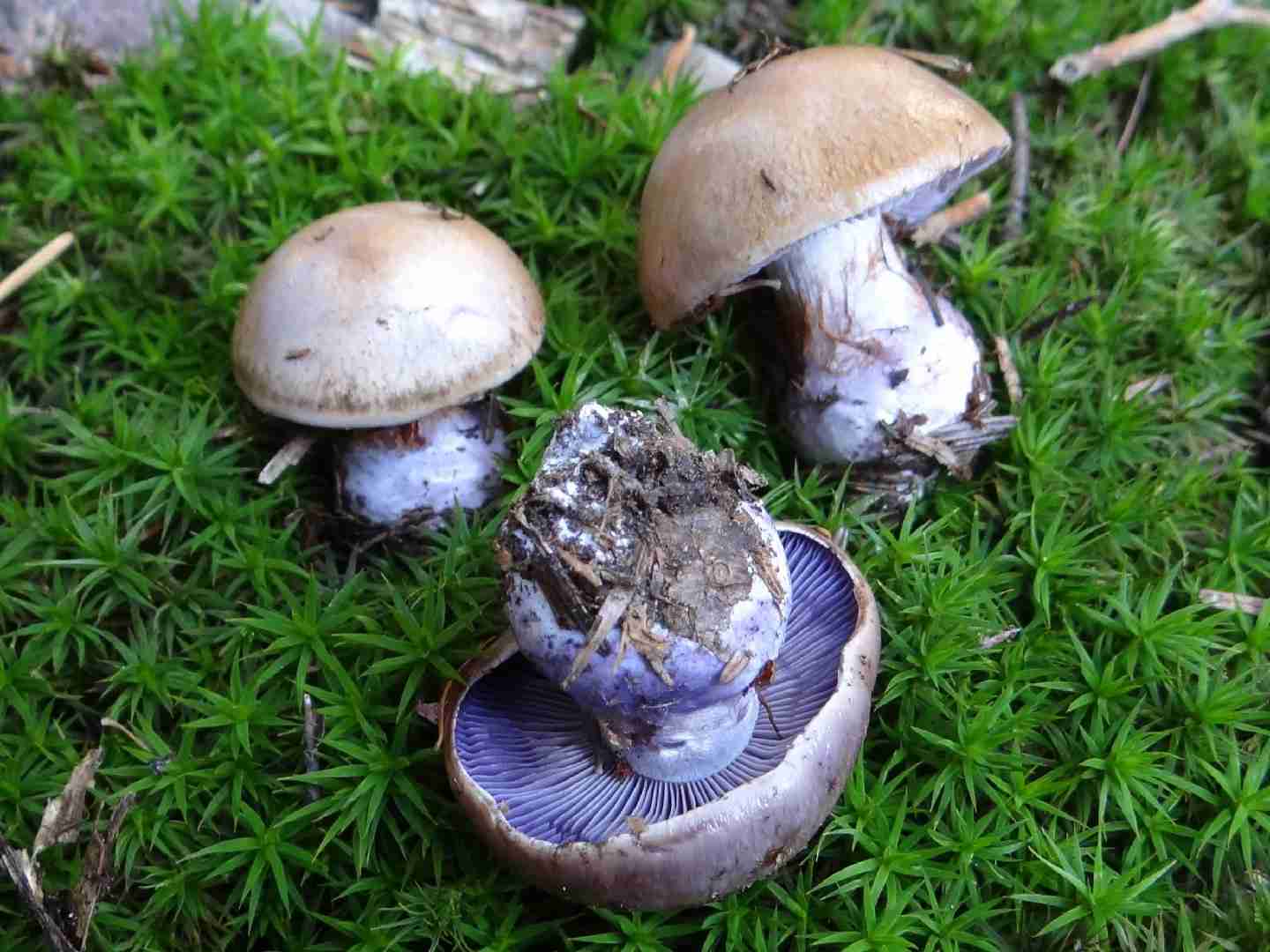
The Cortinarius orellanus, also known as the Blushing Webcap, exhibits a fascinating symbiotic association, primarily with birch and Scots pine trees, and interestingly, has also been noted to form a similar bond with the Common Rockrose. When young, these mushrooms possess a distinctively viscous texture and, as they mature, they develop characteristic scales. While their internal flesh is inherently purple, any damage, such as bruising or cutting, causes it to spectacularly bleed a crimson red. A notable feature of this fungus is its pleasant, fruity aroma.
In This Article
Attributes of Blushing webcap
Cap Diameter
5 - 11 cm
Height
9 - 15 cm
Cap
Cap 5 - 12 cm across; convex; violet, brown, grey; surface slimy, with brown scales
Cap Shape
Convex, Flat
Cap Surfaces
Fibrillose-scaly
Gills
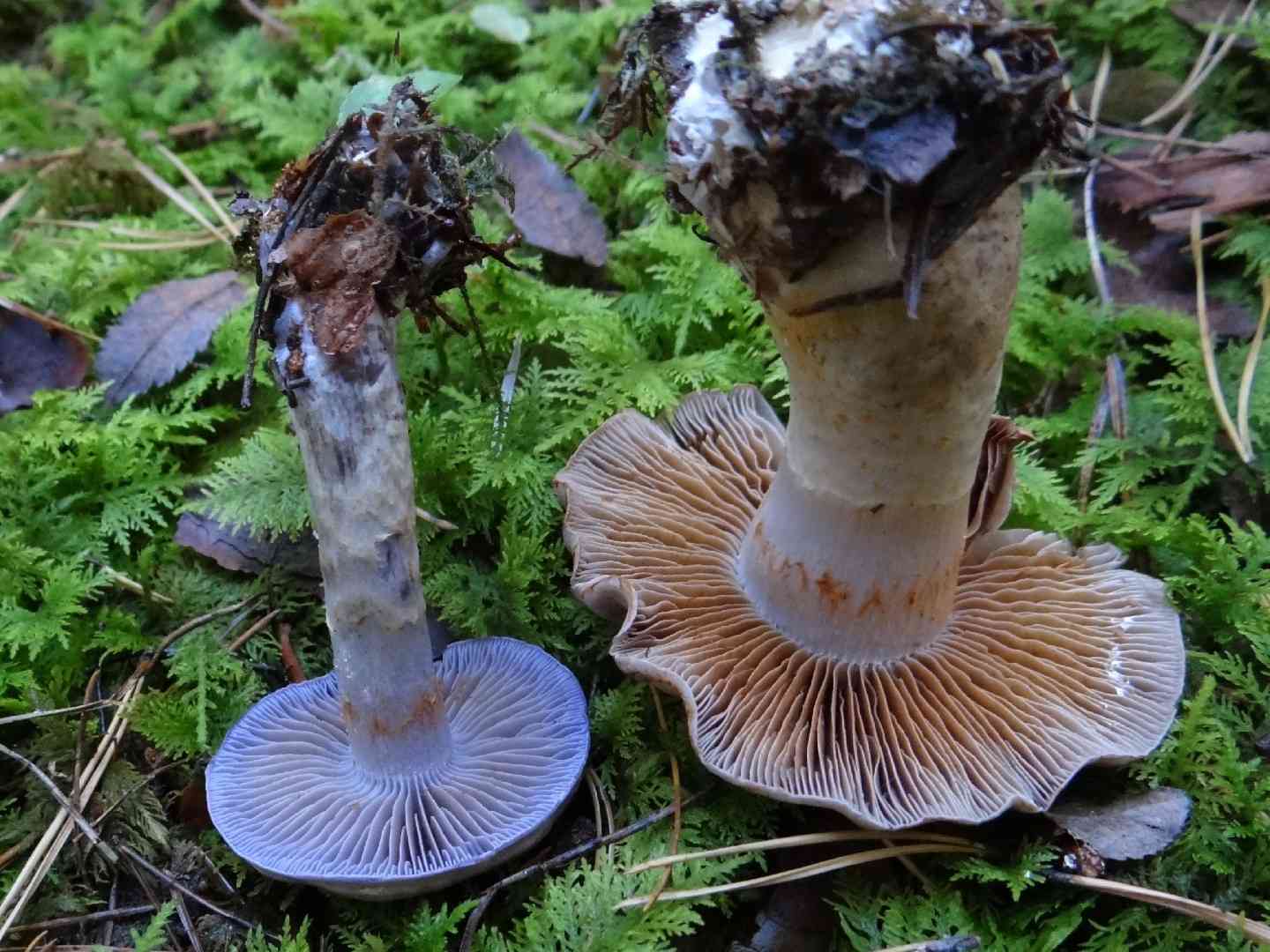
Adnate; purple, rusty brown
Gill Attachment
Notched
Stem
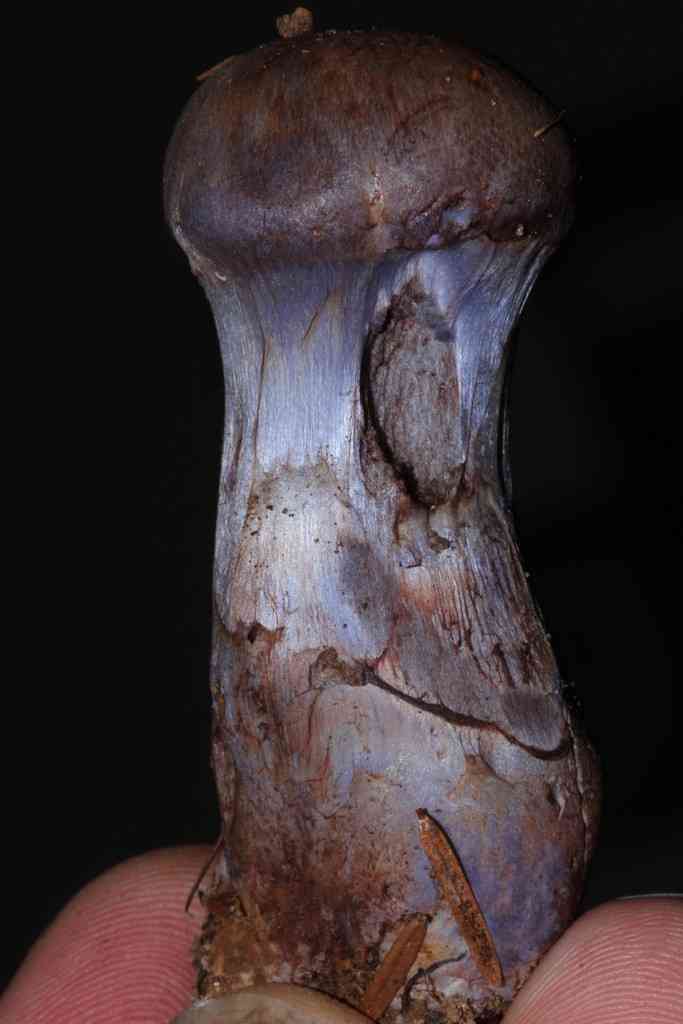
Stem 9 - 15 cm long, 2 - 3.5 cm thick; bulbous; pale purple
Stem Shapes
Club Shaped
Flesh
Purple; turns blood red when bruised or cut
Ring
With Ring Zone
Spore Print Color
Dark brown
Odor
Faintly sweet, nondescript.
Body Color
BrownGrayPurple
Flesh Bruises
The flesh or milk does not discolor when bruised or cut.
Growth Form
Scattered, Gregarious
Nutrient Gathering
Mycorrhizal
Substrate
On soil
You can find Blushing webcap by these plants
Pines, Spruces, Oaks
Endangered Species
No
Scientific Classification of Blushing webcap
Phylum
Club fungi
Class
Mushroom-forming fungi
Order
Gilled fungi
Family
Cortinariaceae
Genus
Cortinar
Toxicity and Edibility of Blushing webcap
Is Blushing webcap Toxic?
Toxicity information is not available for this mushroom. Always consult with an expert before consuming any wild mushrooms.

