Cortinarius cotoneus

Cortinarius cotoneus

A species of Cortinar.

Cortinarius cotoneus originates from a fungal lineage recognized for its diverse forms and vibrant hues. Characteristically, this species presents with a cap and stipe that appear fibrous or cottony, and it may occasionally feature an annulus. It thrives in woodlands, frequently forming symbiotic associations with arboreal hosts. The unique spore patterns of Cortinarius cotoneus serve as a crucial diagnostic characteristic for mycologists.

In This Article
Attributes Classification Toxicity

Attributes of Cortinarius cotoneus

ForwardPlant - ID plants and mushrooms, and learn more about them🌿

Identify and diagnose plants, get toxicity alerts, and explore safety guides for all types of fungi.

Try for Free
Cap Diameter
2 - 8 cm
Height
5 - 10 cm
Cap
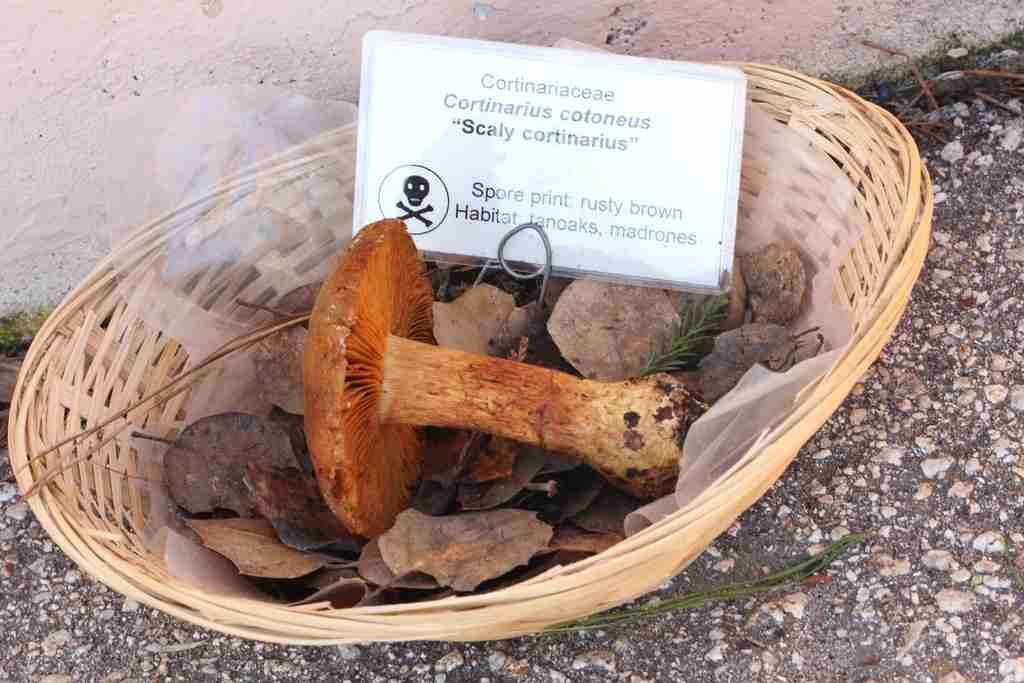
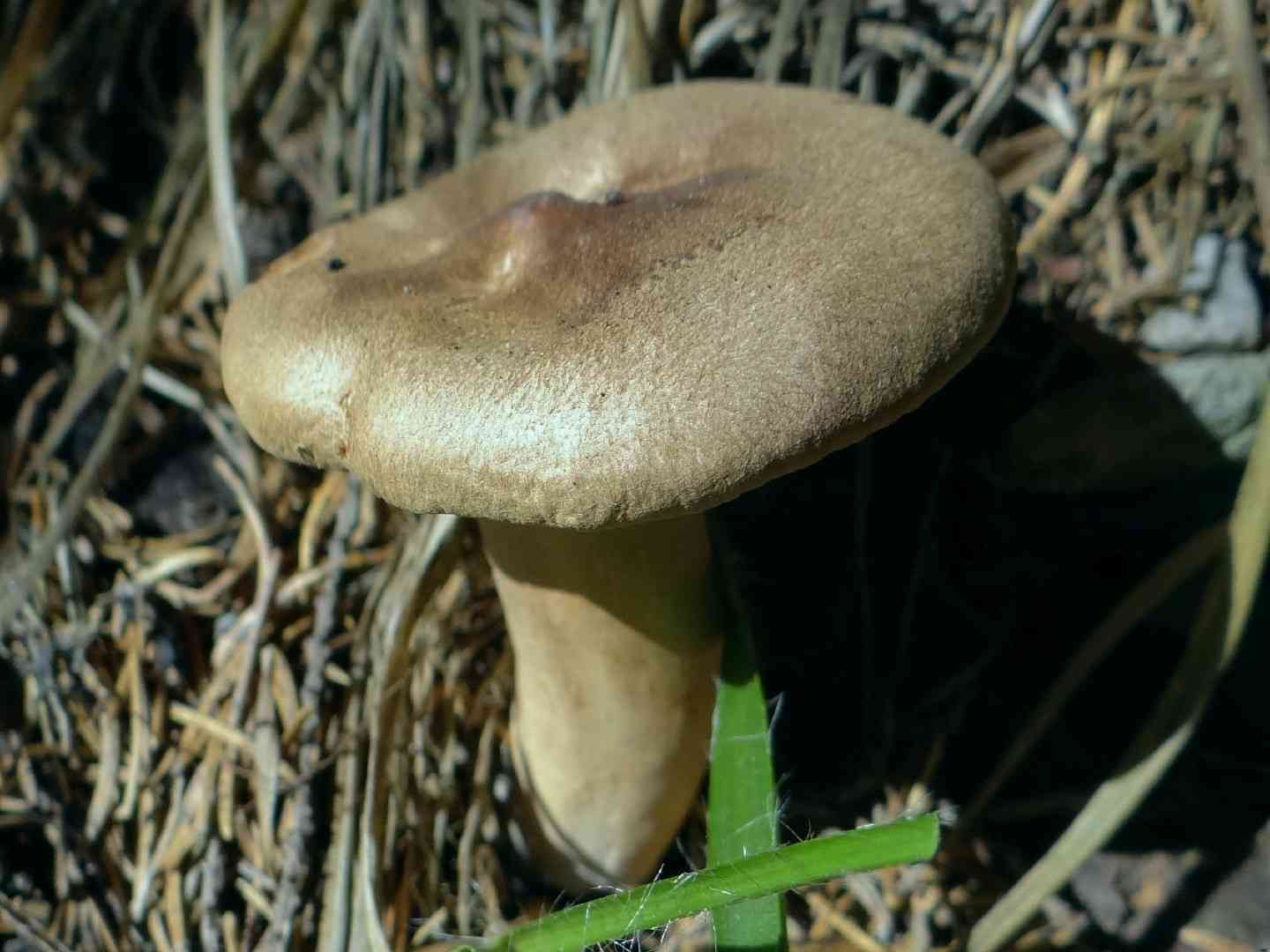
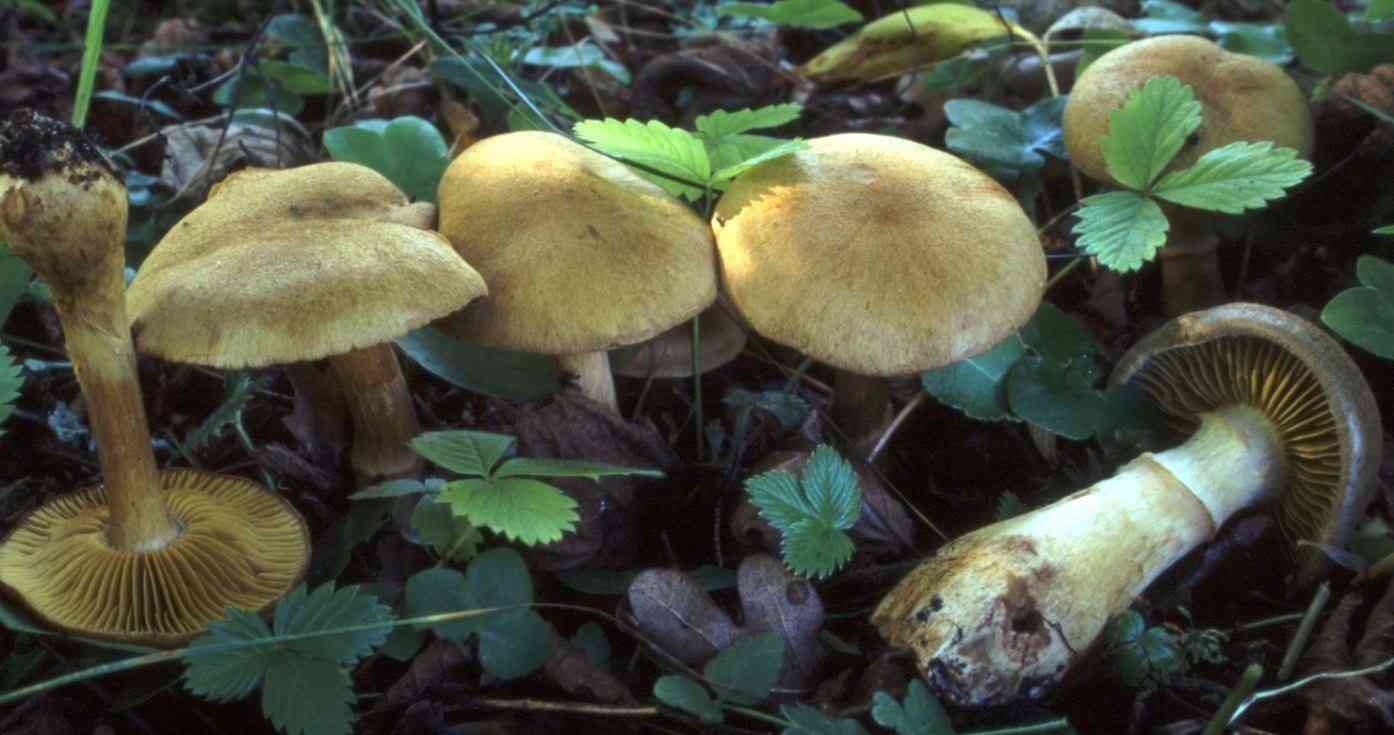
Cap 4 - 9 cm in diameter; hemispherical; olive green or brownish green, then olive brown; edge remains rolled up
Cap Shape
Convex, Flat
Cap Surfaces
Smooth, Velvety
Gills
Broadly attached; wide; olive green, then olive brown
Gill Attachment
Attached
Stem
5 - 10 cm long, 1.2 - 2 cm thick; club-shaped with a bulbous base, full, then empty; below olive yellow to olive green
Stem Shapes
Club Shaped
Flesh
Buff to brownish
Ring
With Ring Zone
Spore Print Color
Rusty brown
Odor
Unpleasant, musty with radish-like undertones.
Body Color
BrownGreenYellow
Flesh Bruises
The flesh or milk does not discolor when bruised or cut.
Growth Form
Solitary, Scattered, Gregarious
Nutrient Gathering
Mycorrhizal
Substrate
On soil
You can find Cortinarius cotoneus by these plants
Tanoak, European beech, Oaks
Species Status
Rather rare in Poland
Endangered Species
Yes

Scientific Classification of Cortinarius cotoneus

ForwardPlant APP

AI mushroom expert in your pocket

Try for Free
Phylum
Club fungi
Class
Mushroom-forming fungi
Order
Gilled fungi
Family
Cortinariaceae
Genus
Cortinar
⚠️

Toxicity and Edibility of Cortinarius cotoneus

ForwardPlant: Identify & Forage

Your Essential Guide to Edible vs. Toxic Mushrooms. Forage with Confidence!

Try for Free

Is Cortinarius cotoneus Toxic?

Cortinarius cotoneus is a highly toxic fungus known to induce serious health issues, including pronounced thirst, headaches, kidney pain, organ dysfunction, and elevated blood pressure. Later stages may involve uremic vomiting and significant damage to both the liver and kidneys. This mushroom can be identified by its distinctive physical characteristics. Ingestion poses severe health risks and should be avoided at all costs.


Toxins type
Orellanine
Type of poisoning
Nephrotoxic
Toxic Severity
High toxicity
Incubation Period
2-17 days, 4-24 hours with potential early symptoms
Poisoning Symptoms
Intense thirst, parched mouth, aching head, renal discomfort, elevated urea, organ damage, high blood pressure, late stage uremic vomiting, liver and kidney destruction, transparent urine post kidney failure.