Cinnabar webcap

Cortinarius cinnabarinus

A species of Cortinar.

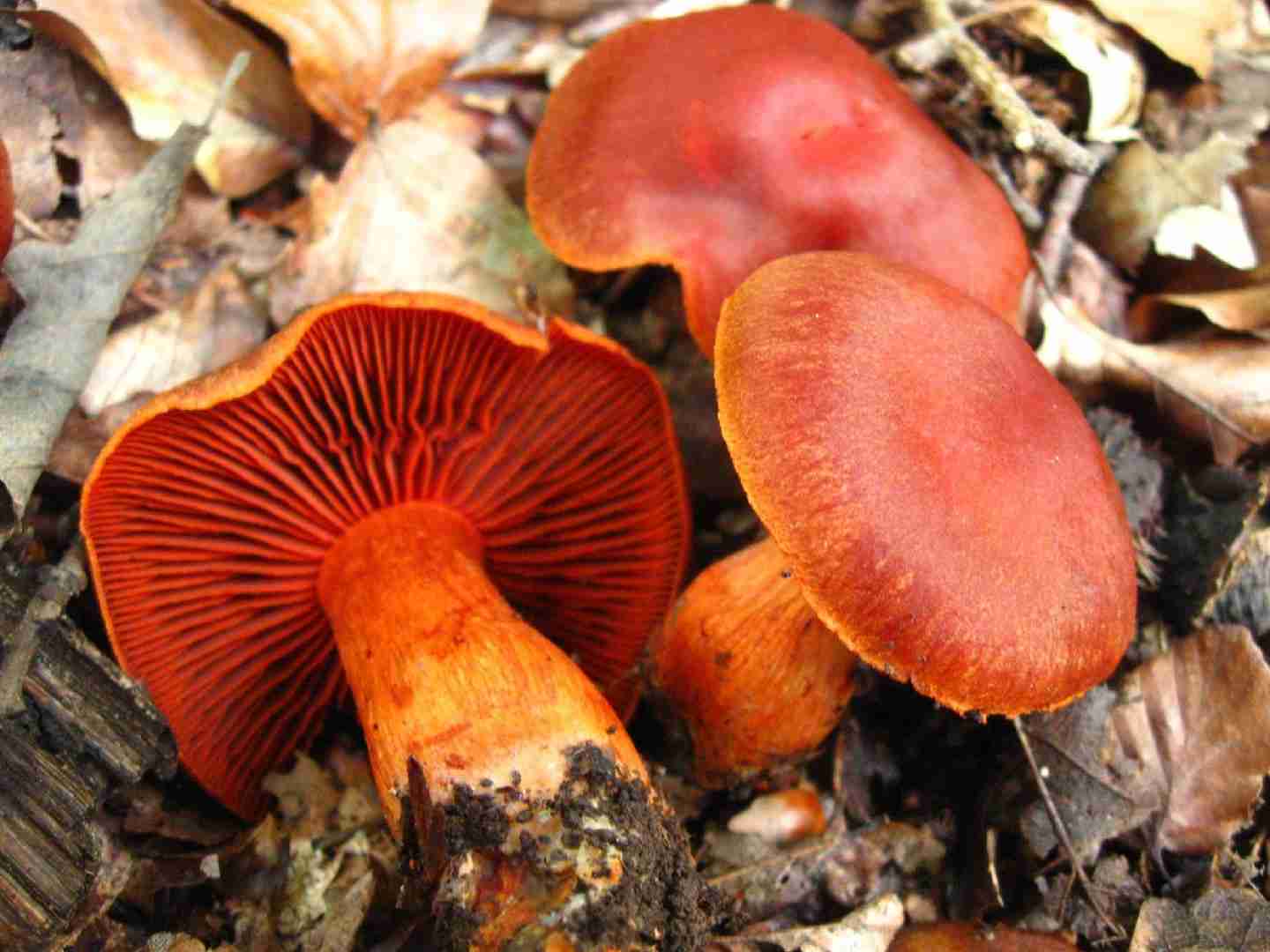
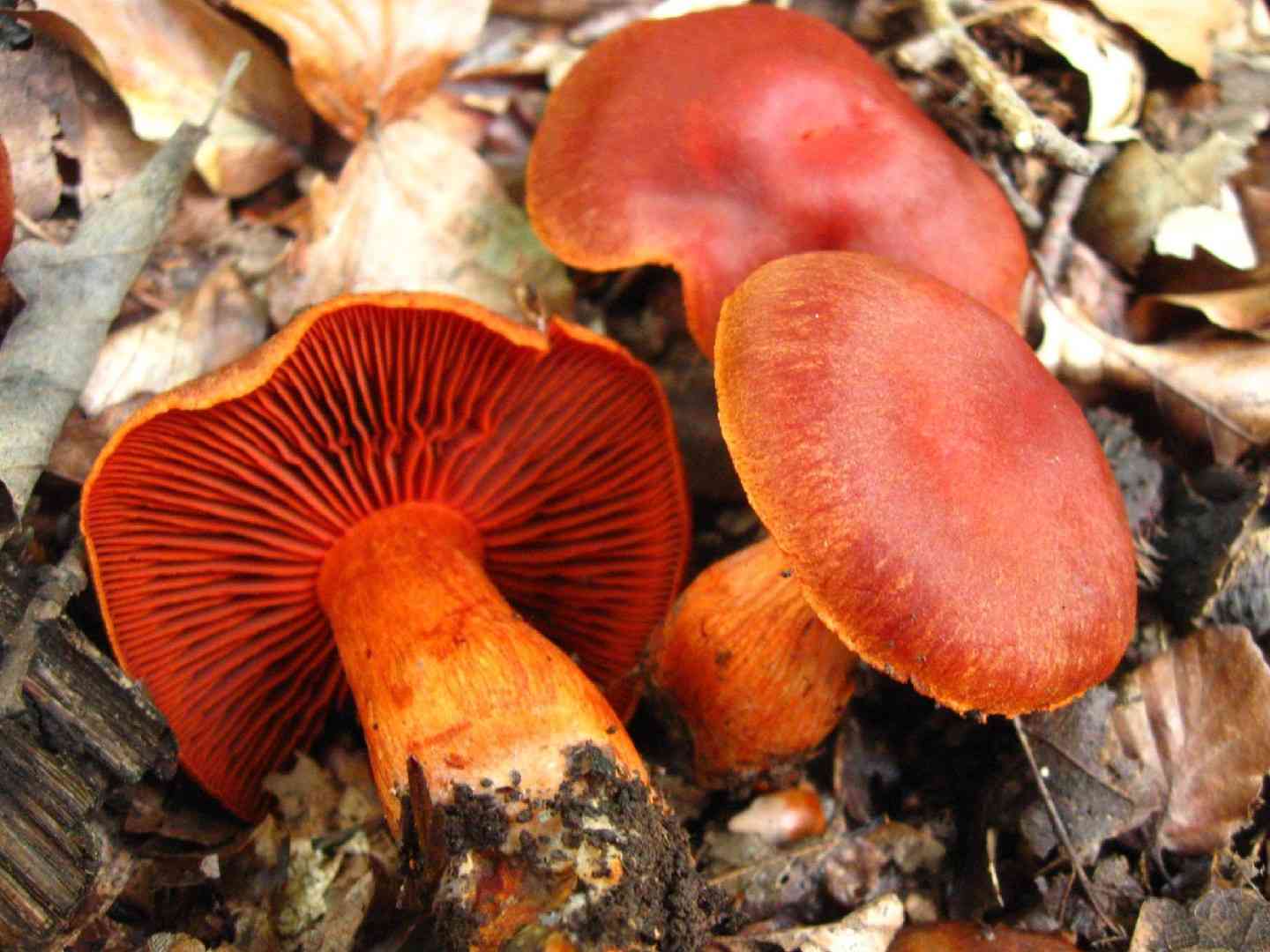
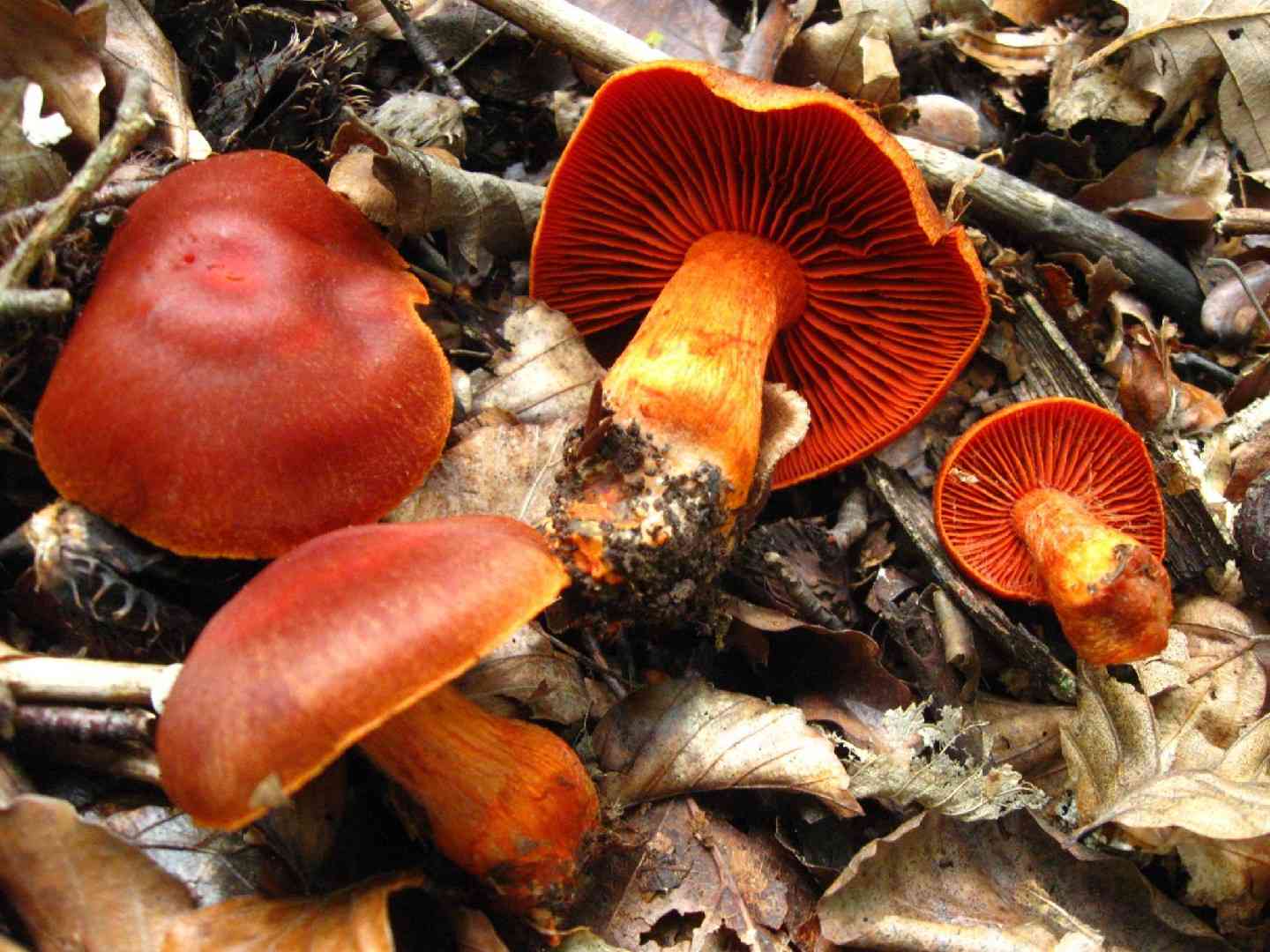
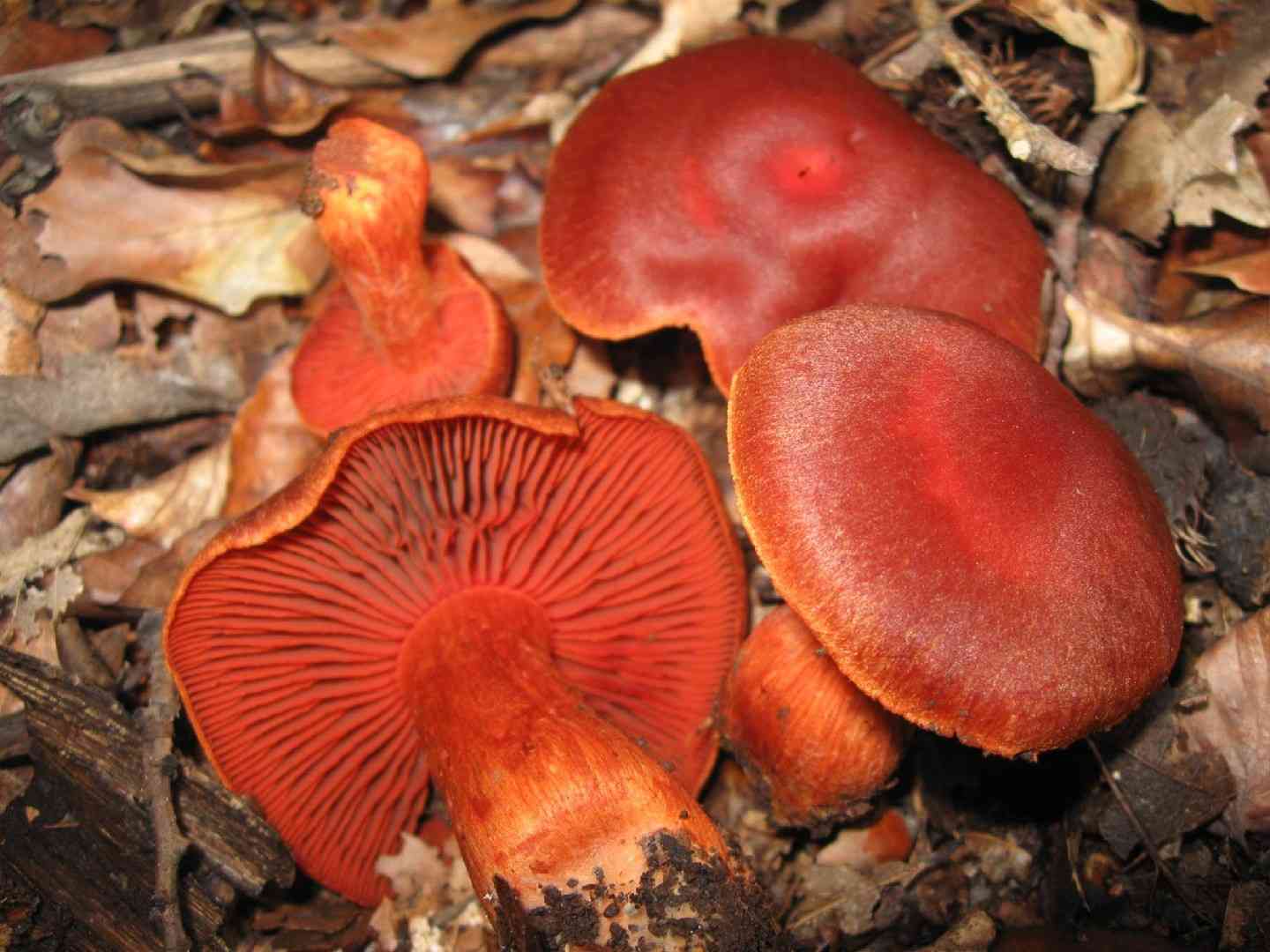
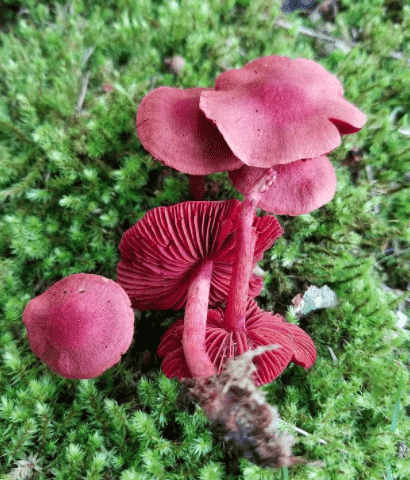
The Cinnabar webcap is a member of an extensive fungal family, characterized by its distinctive web-like partial veil. These fungi commonly exhibit a reddish color and a viscous cap. They thrive in both evergreen and broadleaf forests, preferring damp, shaded environments. Cinnabar webcaps disperse rusty-brown spores and are typically observed from late summer into autumn.

In This Article
Attributes Classification Toxicity Similar Mushrooms

Attributes of Cinnabar webcap

ForwardPlant - ID plants and mushrooms, and learn more about them🌿

Identify and diagnose plants, get toxicity alerts, and explore safety guides for all types of fungi.

Try for Free
Cap Diameter
2 - 8 cm
Height
4 - 8 cm
Cap
Cap 3 - 6 cm across; convex; orange, red; surface smooth
Cap Shape
Convex, Flat
Cap Surfaces
Fibrillose-scaly
Gills
Adnate; moderately crowded; cinnabar-red to reddish-brown
Gill Attachment
Notched
Stem
Stem 3 - 7 cm long, 4 - 10 mm thick; equal; red-brown to orange-red; fibrillous
Stem Shapes
Club Shaped
Flesh
Thin; pale orange, brownish-red
Ring
Ringless
Spore Print Color
Rusty brown
Odor
Mildly earthy with a hint of radish.
Body Color
BrownRedOrange
Flesh Bruises
The flesh or milk does not discolor when bruised or cut.
Growth Form
Scattered, Gregarious
Nutrient Gathering
Mycorrhizal
Substrate
On soil
You can find Cinnabar webcap by these plants
Spruces, Pines, Oaks, European beech
Species Status
Very rare
Endangered Species
Yes

Scientific Classification of Cinnabar webcap

ForwardPlant APP

AI mushroom expert in your pocket

Try for Free
Phylum
Club fungi
Class
Mushroom-forming fungi
Order
Gilled fungi
Family
Cortinariaceae
Genus
Cortinar
⚠️

Toxicity and Edibility of Cinnabar webcap

ForwardPlant: Identify & Forage

Your Essential Guide to Edible vs. Toxic Mushrooms. Forage with Confidence!

Try for Free

Is Cinnabar webcap Toxic?

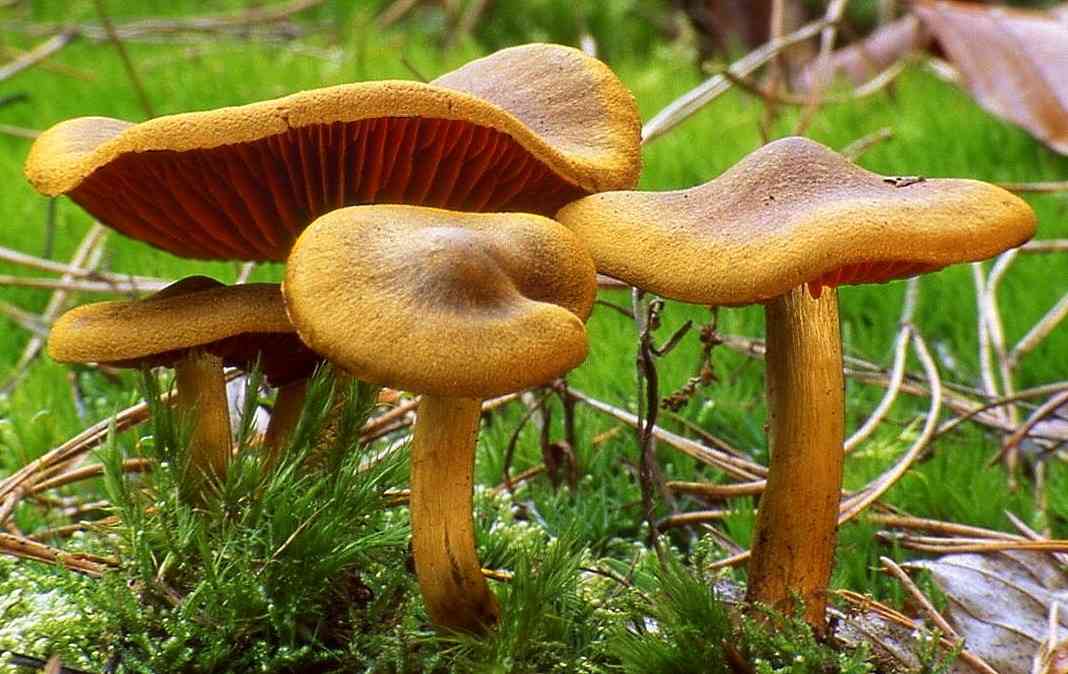
The cinnabar webcap usually thrives in damp environments during autumn. It's distinguished by its distinctive cinnabar-hued cap. Ingestion can lead to various health ailments, including digestive upset, dizziness, impaired vision, and issues with blood circulation. Extreme care must be taken during identification to prevent mistaking it for harmless types.
Type of poisoning
Gastrointestinal
Toxic Severity
Low to high toxicity
Incubation Period
0.5-6 hours
Poisoning Symptoms
Digestive issues, vertigo, vision complications, blood circulation troubles.

