Cortinarius bivelus
Cortinarius bivelus
A species of Cortinar.
Cortinarius bivelus, a species belonging to the Cortinariaceae family, possesses identifiable characteristics. This fungus commonly flourishes in forested environments, establishing a symbiotic connection with particular tree root systems. Its cap and stalk hues are distinguishing traits, offering clues to its classification in natural settings. Frequently encountered during certain times of the year, Cortinarius bivelus contributes to its habitat by facilitating the breakdown of organic matter.
In This Article
Attributes of Cortinarius bivelus
Cap Diameter
3 - 9 cm
Height
5 - 15 cm
Cap
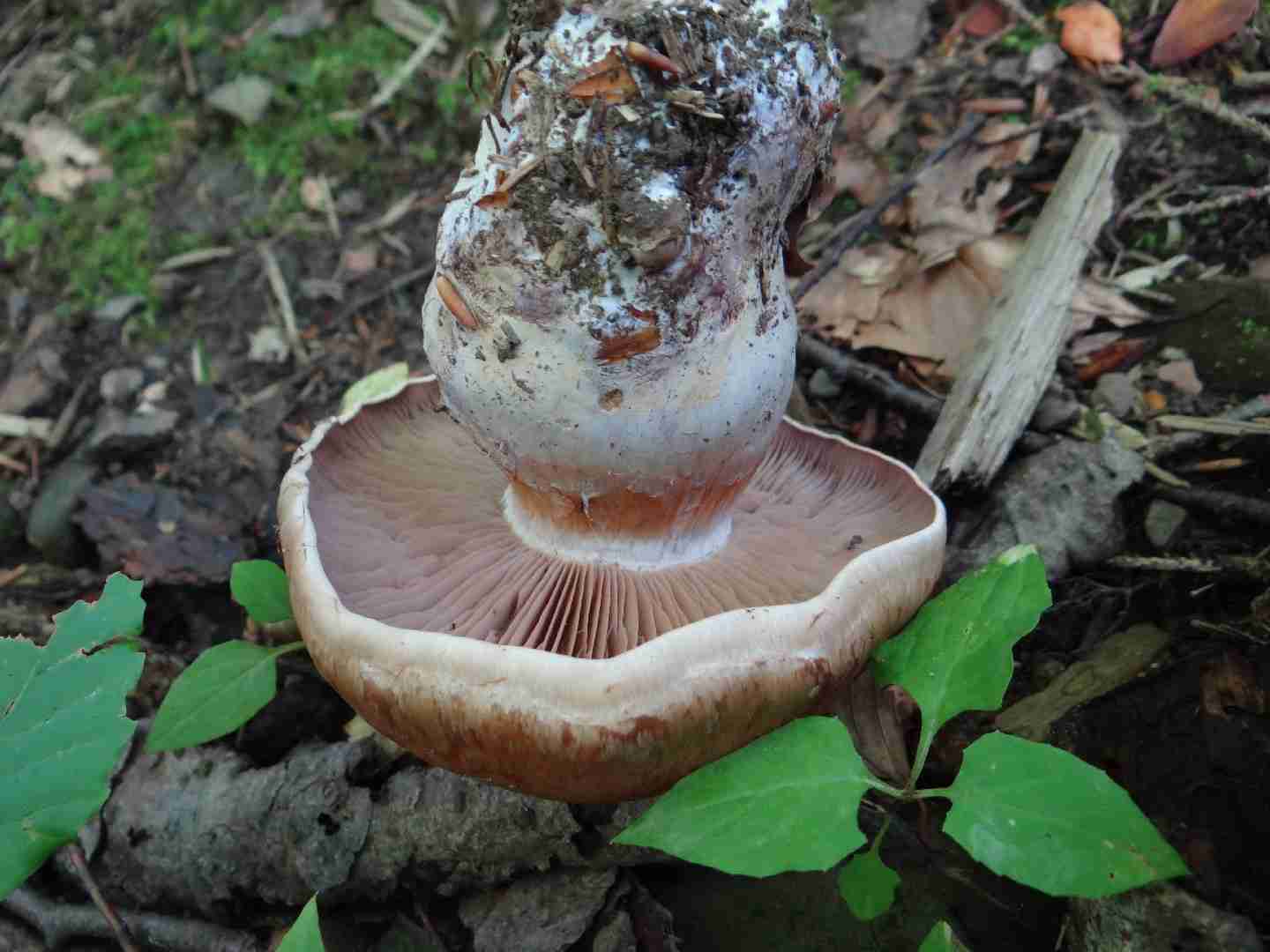
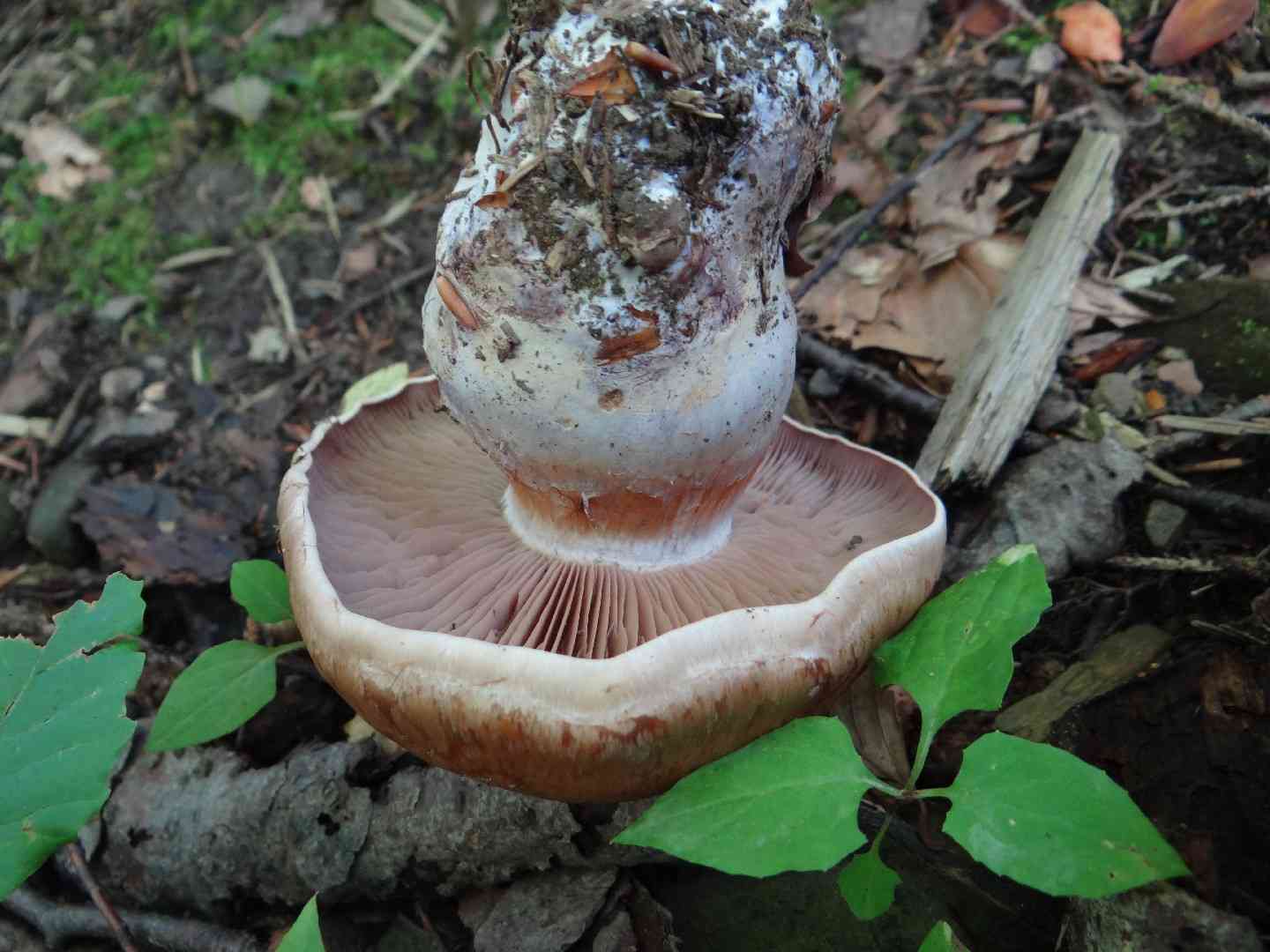
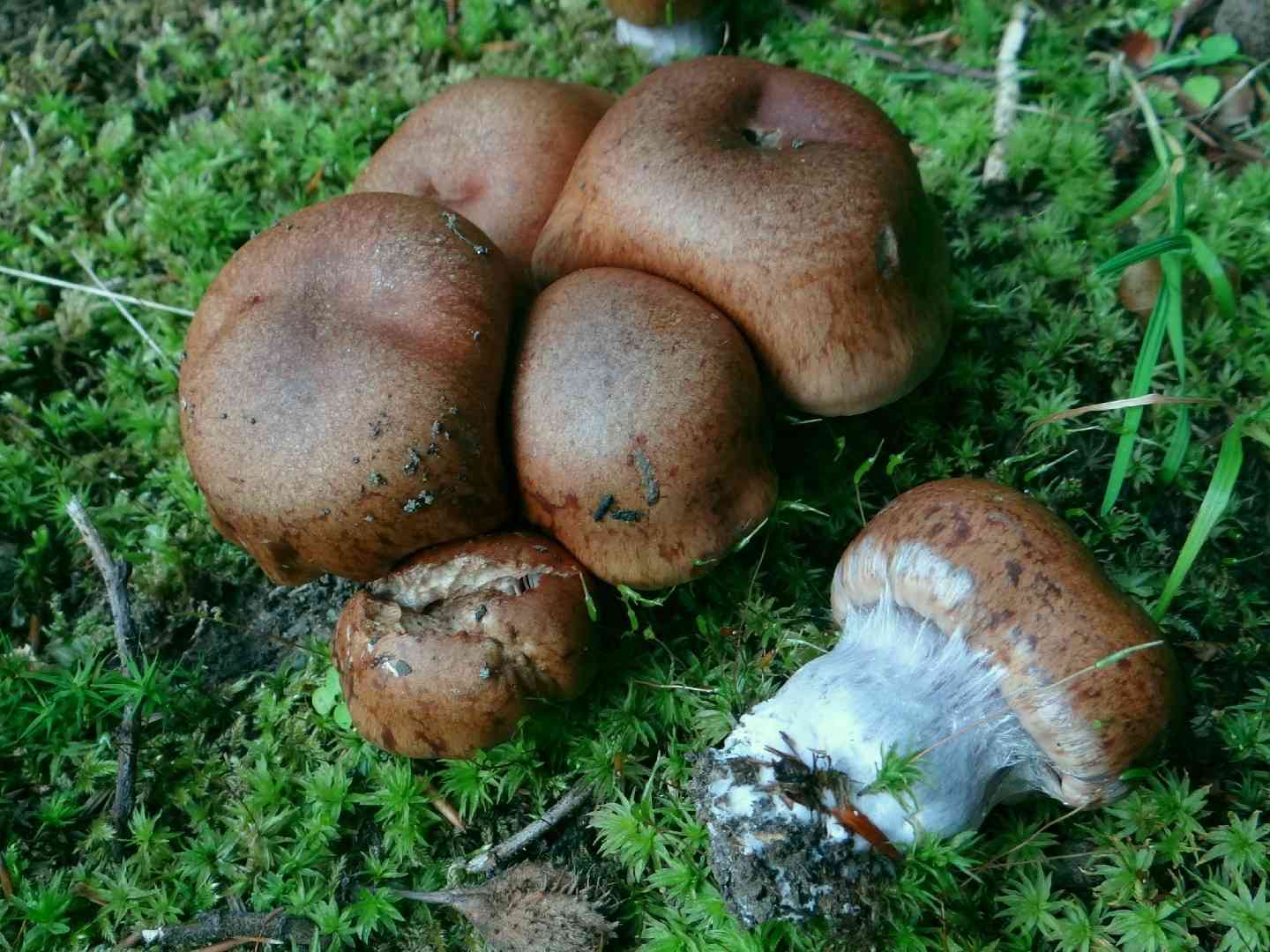
Cap 5 - 10 cm across; campanulate-convex; cinnamon-brown, ochraceous-rufous to ochraceous-tawny
Cap Shape
Convex, Flat
Cap Surfaces
Fibrillose-scaly
Gills
Adnate; close to crowded; tawny-cinnamon, brownish
Gill Attachment
Notched
Stem
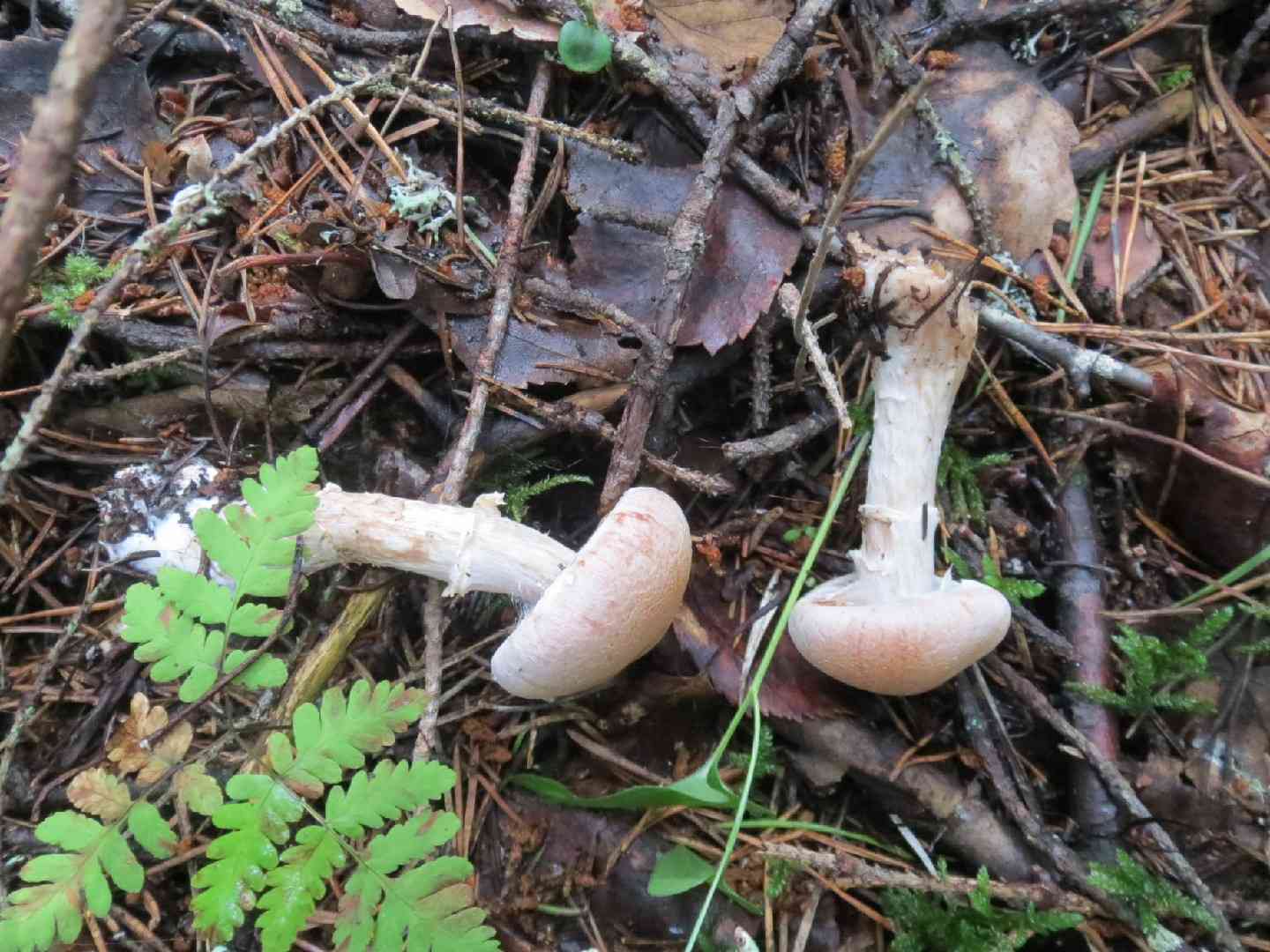
Stem 4 - 8 cm long, 8 - 15 mm thick; clavate-bulbous; dingy-whitish
Stem Shapes
Club Shaped
Ring
With Ring Zone
Spore Print Color
Brown
Odor
Mildly earthy, hints of radish.
Body Color
BrownYellowRedWhite
Flesh Bruises
The flesh or milk does not discolor when bruised or cut.
Growth Form
Solitary, Scattered, Gregarious
Nutrient Gathering
Mycorrhizal
Substrate
On soil
You can find Cortinarius bivelus by these plants
Pines, Oaks, Spruces, White poplar
Endangered Species
No
Scientific Classification of Cortinarius bivelus
Phylum
Club fungi
Class
Mushroom-forming fungi
Order
Gilled fungi
Family
Cortinariaceae
Genus
Cortinar
Toxicity and Edibility of Cortinarius bivelus
Is Cortinarius bivelus Toxic?
Toxicity information is not available for this mushroom. Always consult with an expert before consuming any wild mushrooms.

