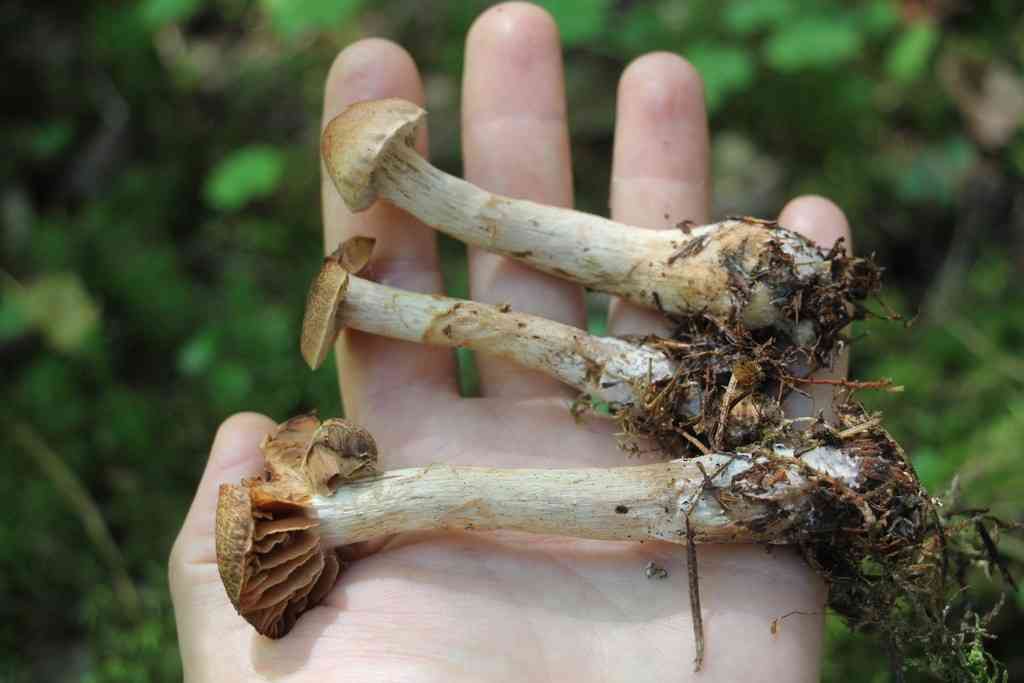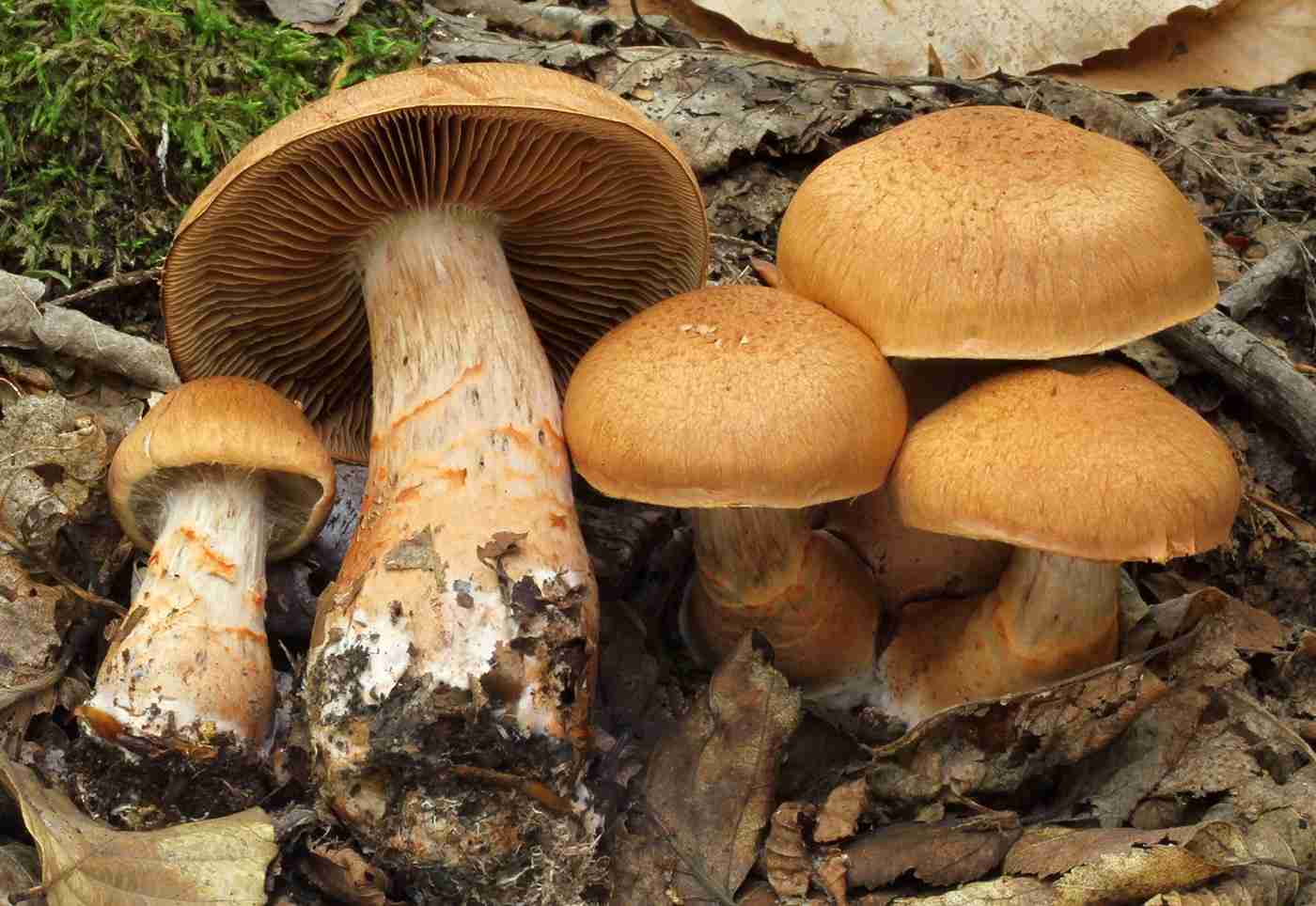
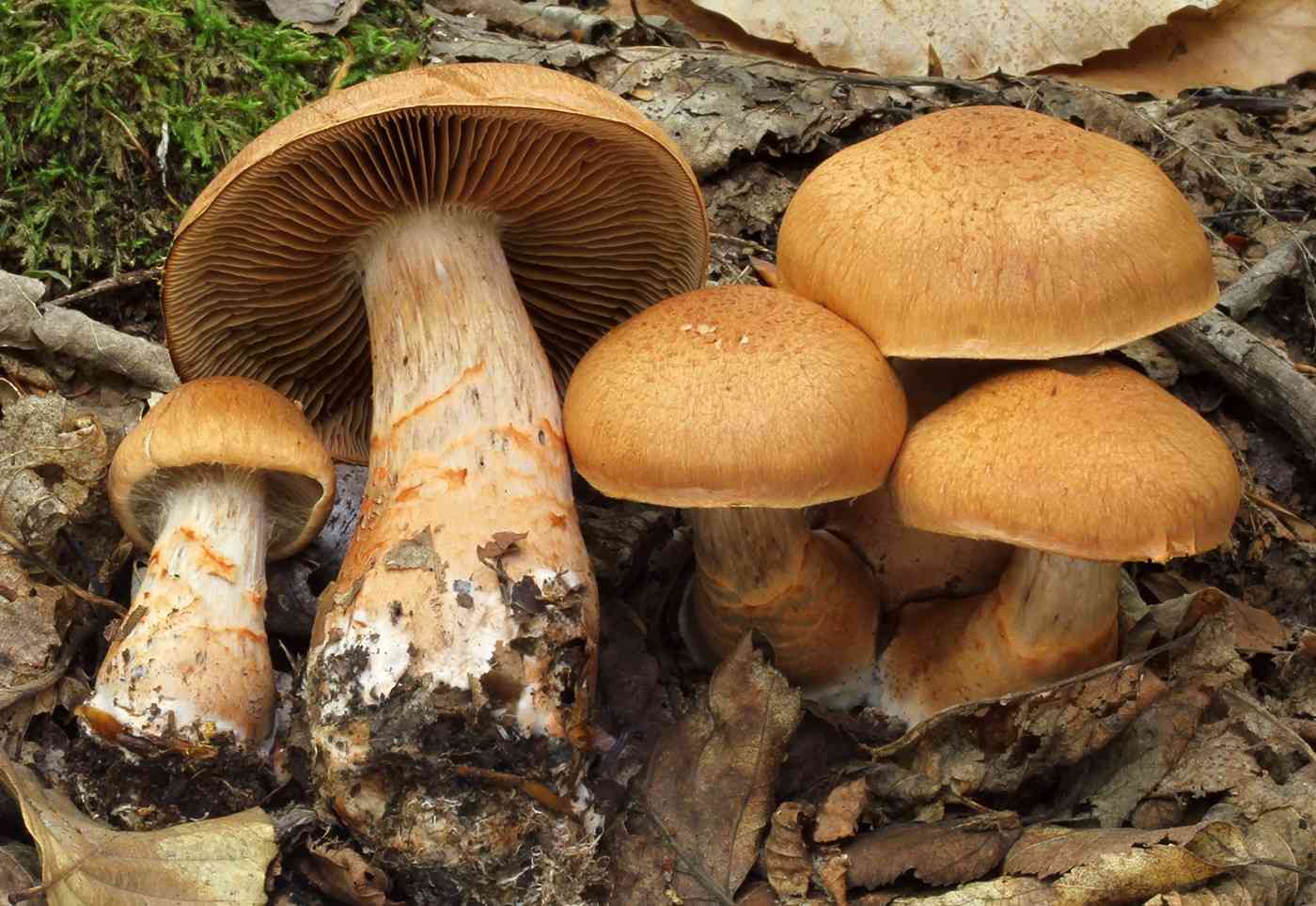
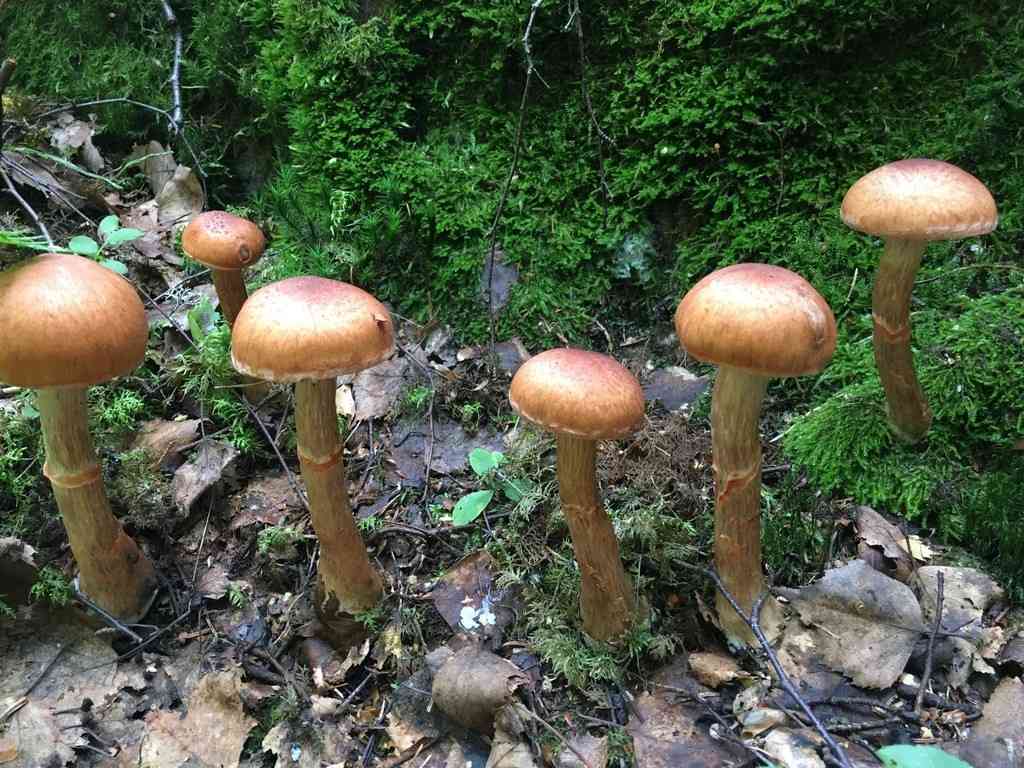
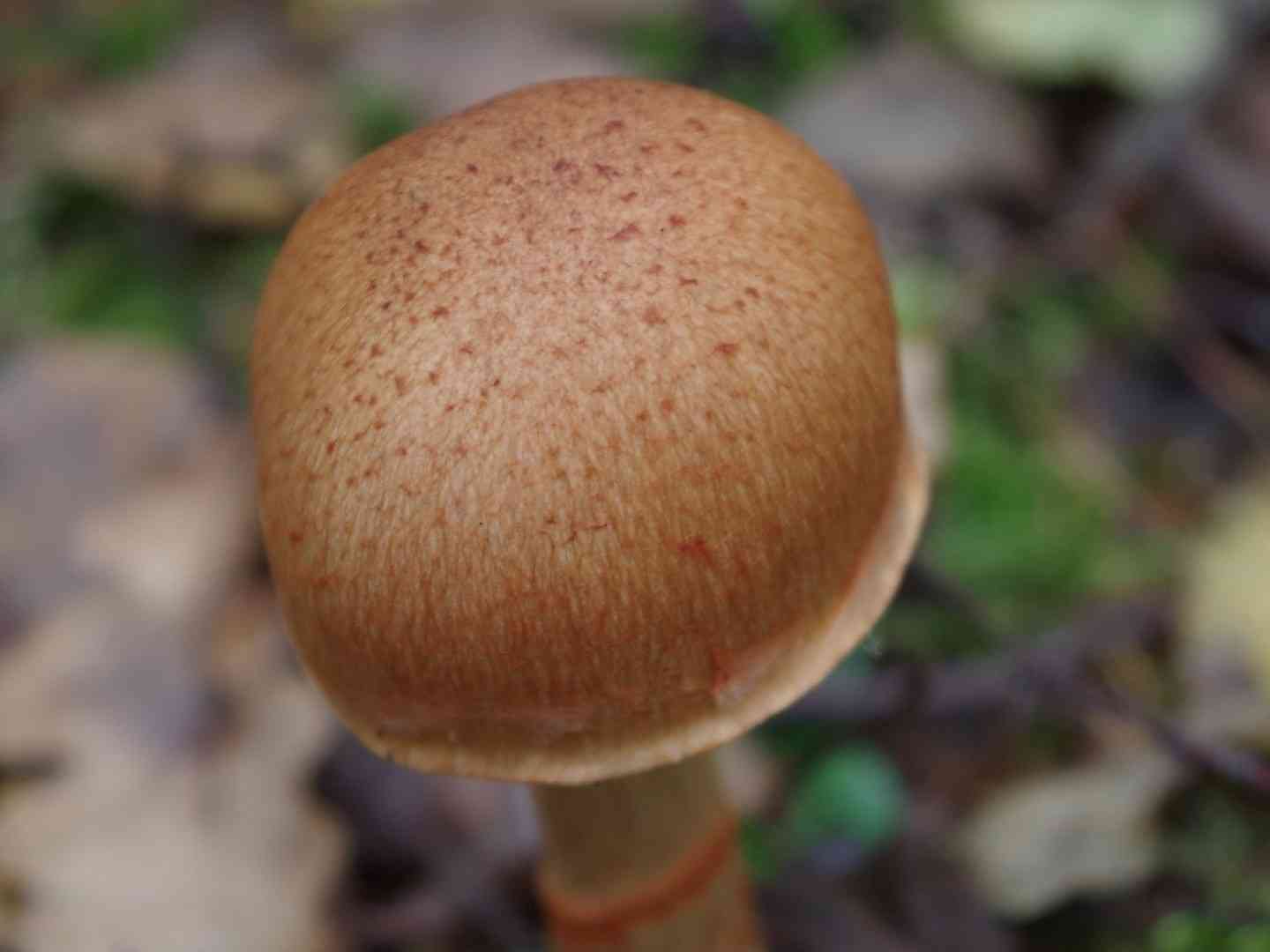
Red-banded cortinarius
Cortinarius armillatus
A species of Cortinar. Also known as Bracelet cortinarius.
The Cortinarius armillatus, commonly known as the red-banded cortinarius, typically exhibits a distinct red or reddish-brown band near the base of its stem. This species is native to temperate regions throughout Europe and eastern North America. In Europe, it frequently grows alongside conifers, whereas in North America, it is often found in association with birch trees. Although it is not safe for consumption, this mushroom is sometimes utilized in the production of dyes.
In This Article
Attributes of Red-banded cortinarius
Cap Diameter
4 - 15 cm
Height
6 - 16 cm
Cap
Cap 5 - 15 cm across; hemispherical to flat; yellow-brown to tan, reddish; surface smooth to finely fibrous
Cap Shape
Convex, Bell-shaped, Flat, Central Bump
Cap Surfaces
Fibrillose-scaly
Gills
Attached; close, nearly distant; pale dirty yellowish to pale cinnamon, rusty brown
Gill Attachment
Attached
Stem
Stem 7 - 15 cm long, 2.5 cm thick; pale gray-brown; with veil remain
Stem Shapes
Club Shaped
Stem Surfaces
Smooth to slightly fibrous
Flesh
Whitish to pale brownish
Ring
With Ring Zone
Spore Print Color
Rusty brown
Odor
Mildly radish-like, generally not distinctive.
Body Color
BrownYellowRedWhite
Flesh Bruises
The flesh or milk does not discolor when bruised or cut.
Growth Form
Solitary, Scattered, Gregarious
Nutrient Gathering
Mycorrhizal
Substrate
On soil
You can find Red-banded cortinarius by these plants
Paper birch, Spruces, Pines
Occurence Habitats
Deciduous Woodland, Mixed Woodland
Species Status
Widely distributed
Endangered Species
No
Scientific Classification of Red-banded cortinarius
Phylum
Club fungi
Class
Mushroom-forming fungi
Order
Gilled fungi
Family
Cortinariaceae
Genus
Cortinar
Toxicity and Edibility of Red-banded cortinarius
Is Red-banded cortinarius Toxic?
Toxicity information is not available for this mushroom. Always consult with an expert before consuming any wild mushrooms.