Cortinarius armeniacus
Cortinarius armeniacus
A species of Cortinar.
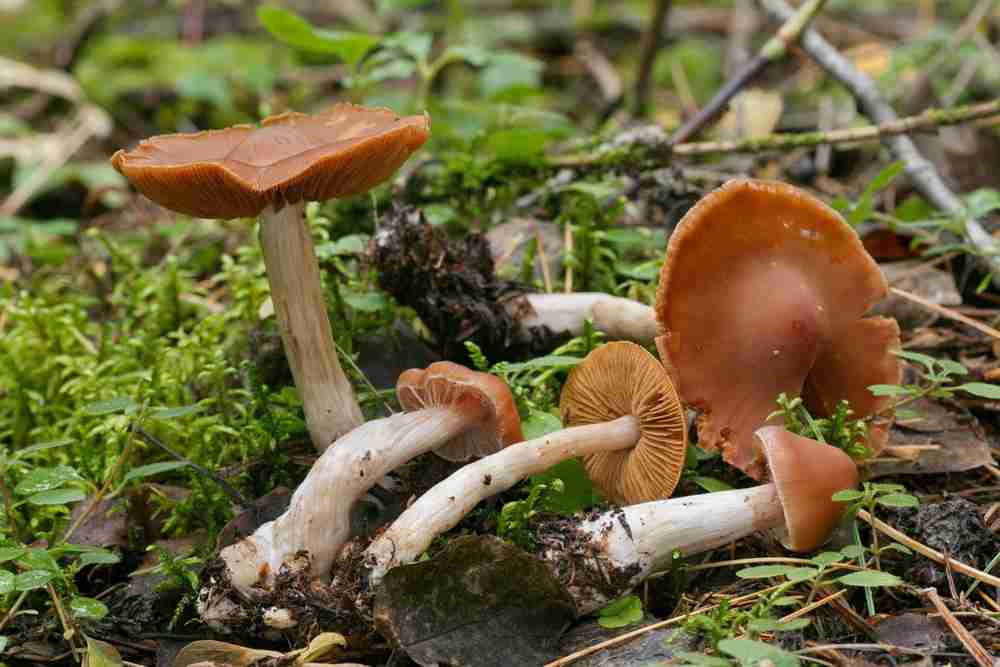
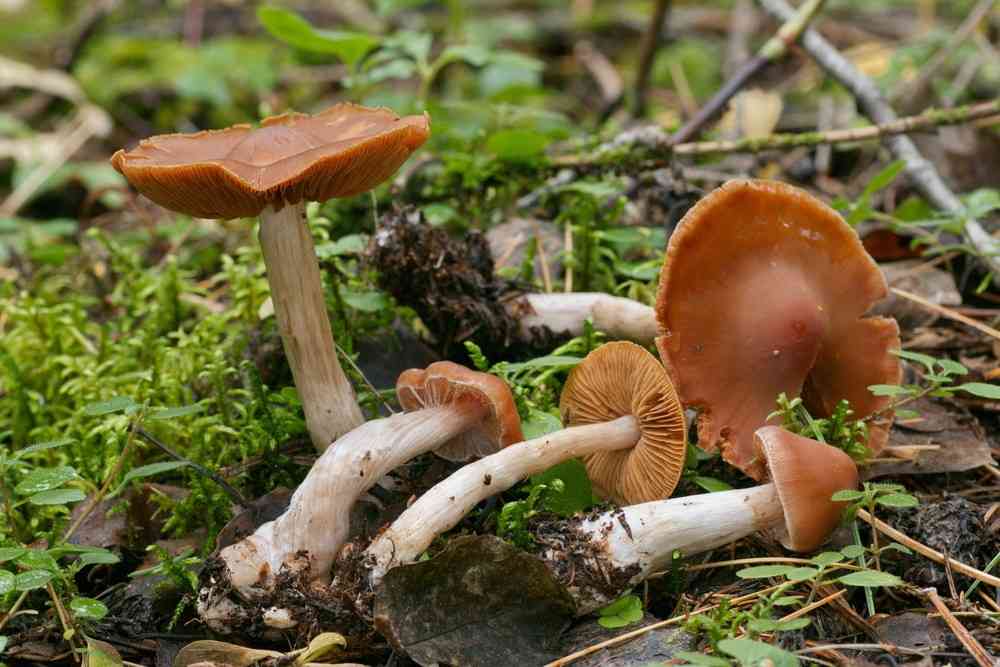
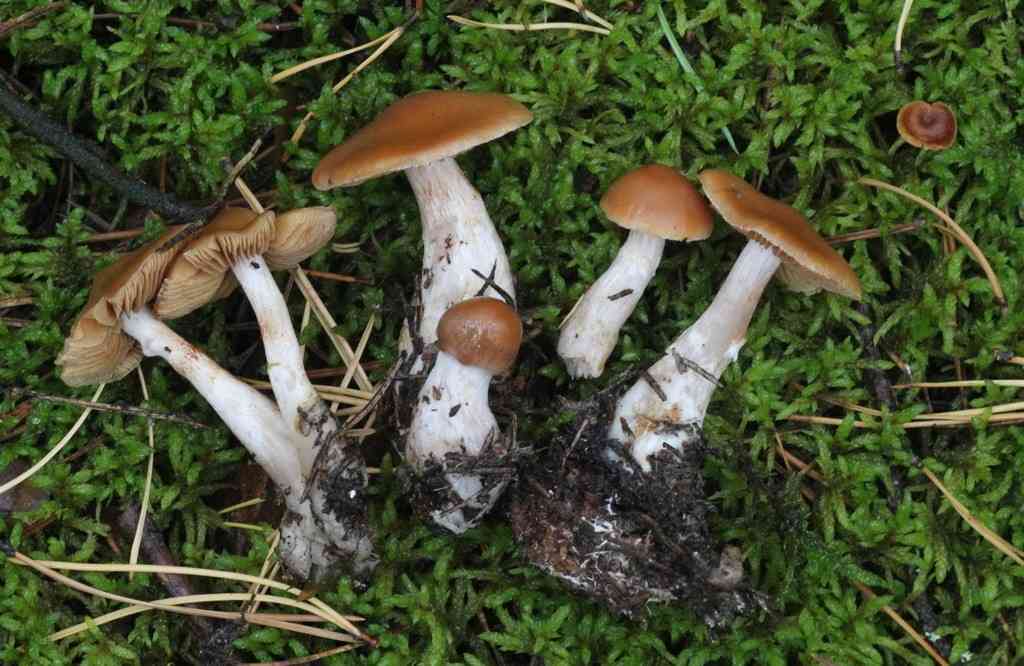
The cortinarius armeniacus, a mushroom sought by many, is commonly discovered in forested areas, particularly near spruce and birch trees. Its fruiting season is in the autumn, and it's recognized by its striking orange gills and an ochre-colored cap.
In This Article
Attributes of Cortinarius armeniacus
Cap Diameter
2 - 9 cm
Height
6 - 12 cm
Cap
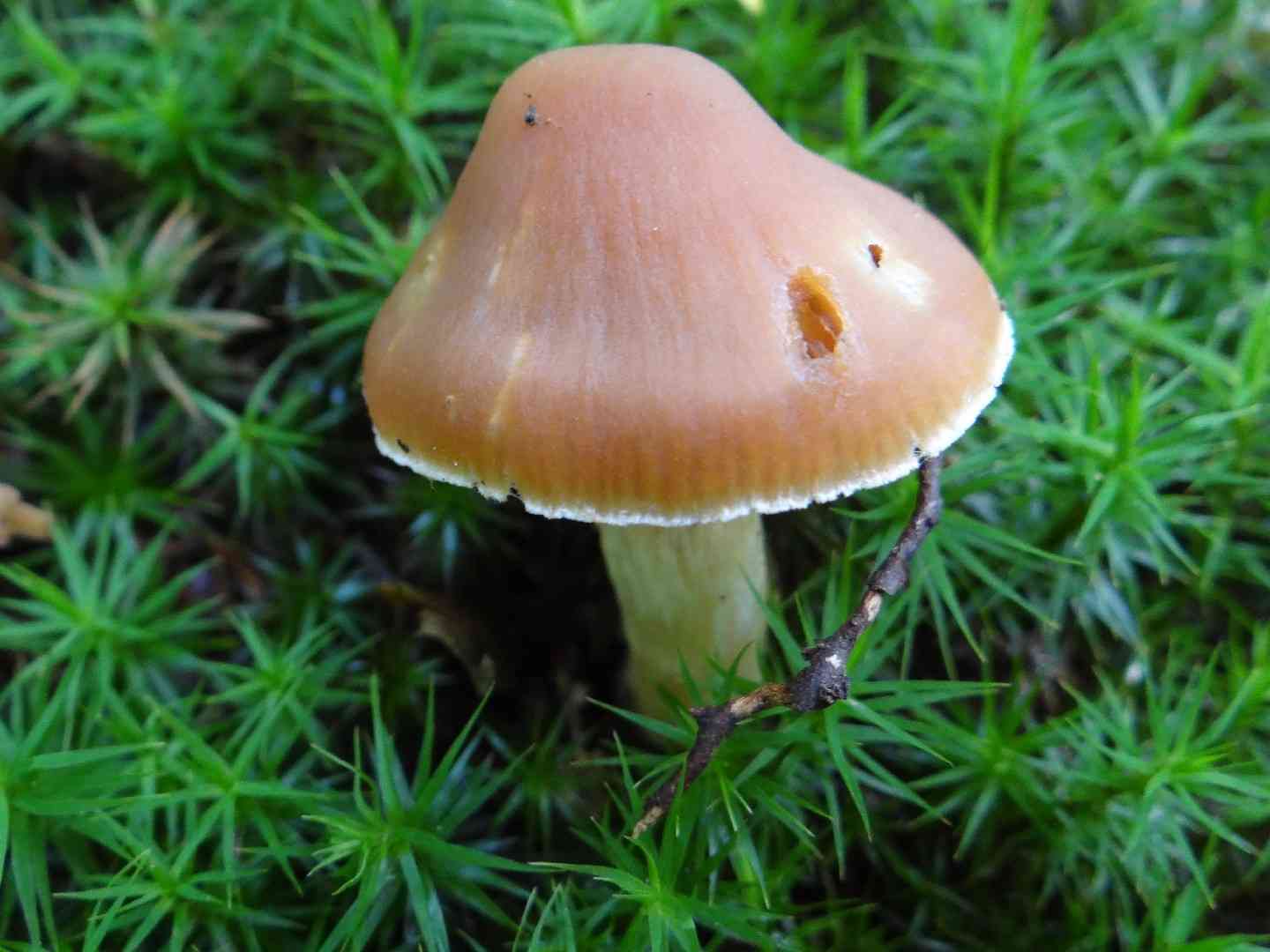
Cap 3.5 - 6 cm across; convex; yellow-brown, chestnut-brown; surface glabrous, slightly shiny; margin inrolled
Cap Shape
Convex, Central Bump
Cap Surfaces
Smooth
Gills
Adnexed; crowded to medium spaced; light yellow-brown to cinnamon-brown
Gill Attachment
Attached
Stem
Stem 4.5 - 6 cm long, 8 - 10 mm thick; equal to clavate; white to buff; fibrillose; with whitish veil material
Stem Shapes
Club Shaped
Flesh
Firm; white, mottled white, lilac and buff
Ring
With Ring Zone
Spore Print Color
Rusty brown
Odor
Mild sourness, with rare radish-like hints.
Body Color
BrownYellowWhite
Flesh Bruises
The flesh or milk does not discolor when bruised or cut.
Growth Form
Solitary, Scattered, Gregarious
Nutrient Gathering
Mycorrhizal
Substrate
On soil
You can find Cortinarius armeniacus by these plants
Spruces, Oaks, Pines
Endangered Species
No
Scientific Classification of Cortinarius armeniacus
Phylum
Club fungi
Class
Mushroom-forming fungi
Order
Gilled fungi
Family
Cortinariaceae
Genus
Cortinar
Toxicity and Edibility of Cortinarius armeniacus
Is Cortinarius armeniacus Toxic?
Toxicity information is not available for this mushroom. Always consult with an expert before consuming any wild mushrooms.

