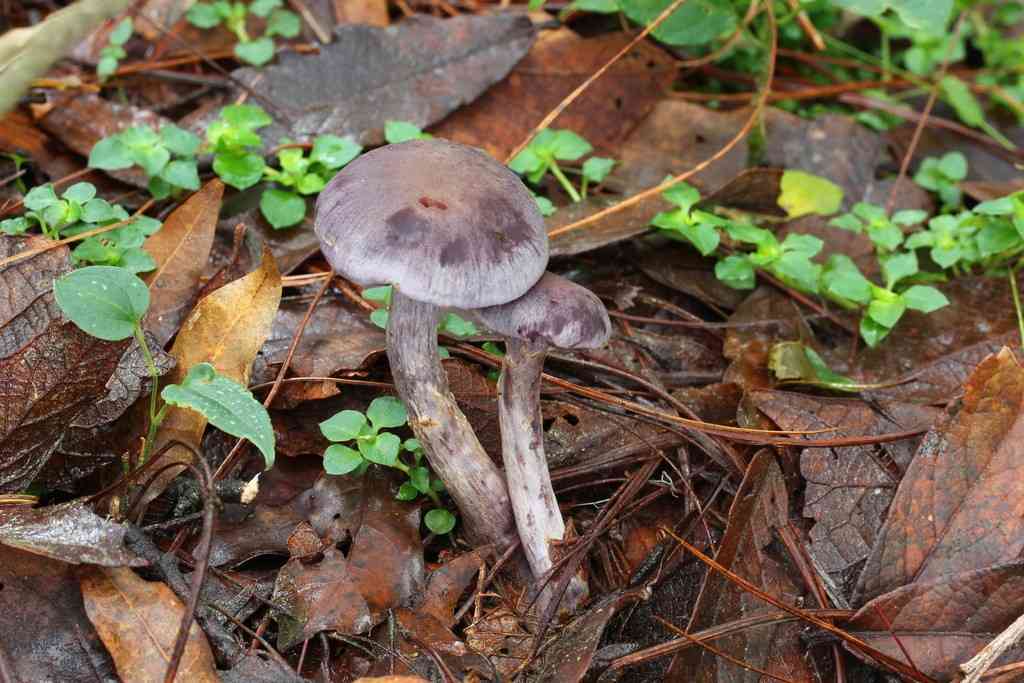
Variable webcap
Cortinarius anomalus
A species of Cortinar.
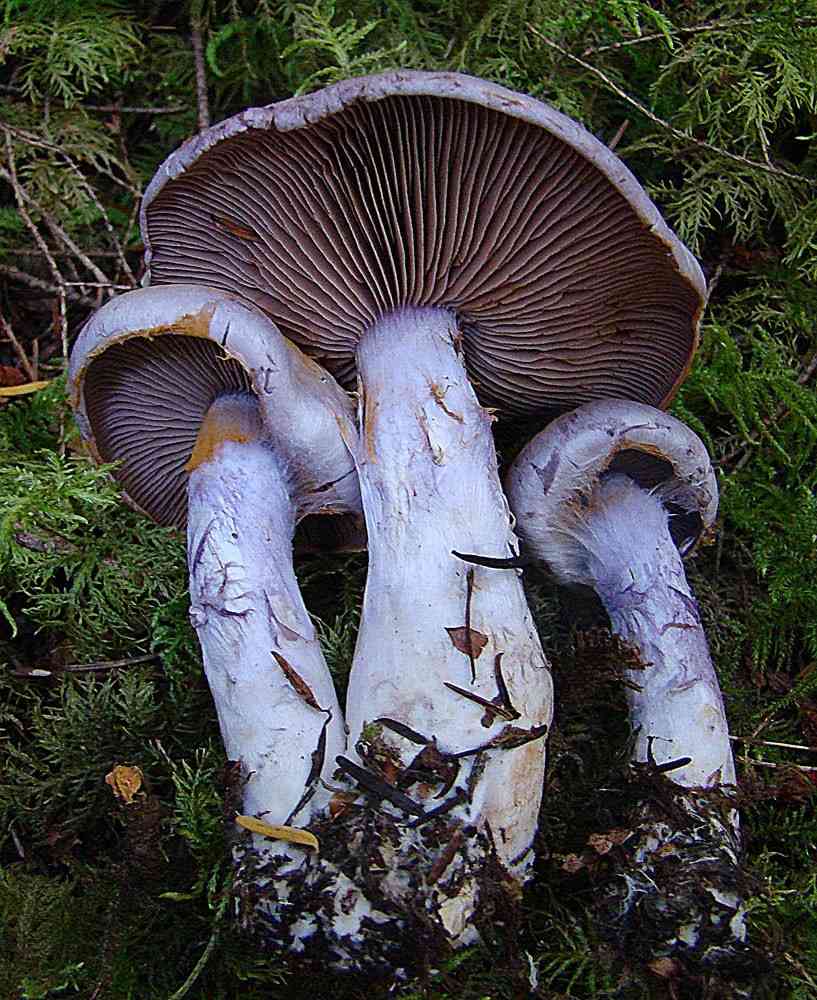
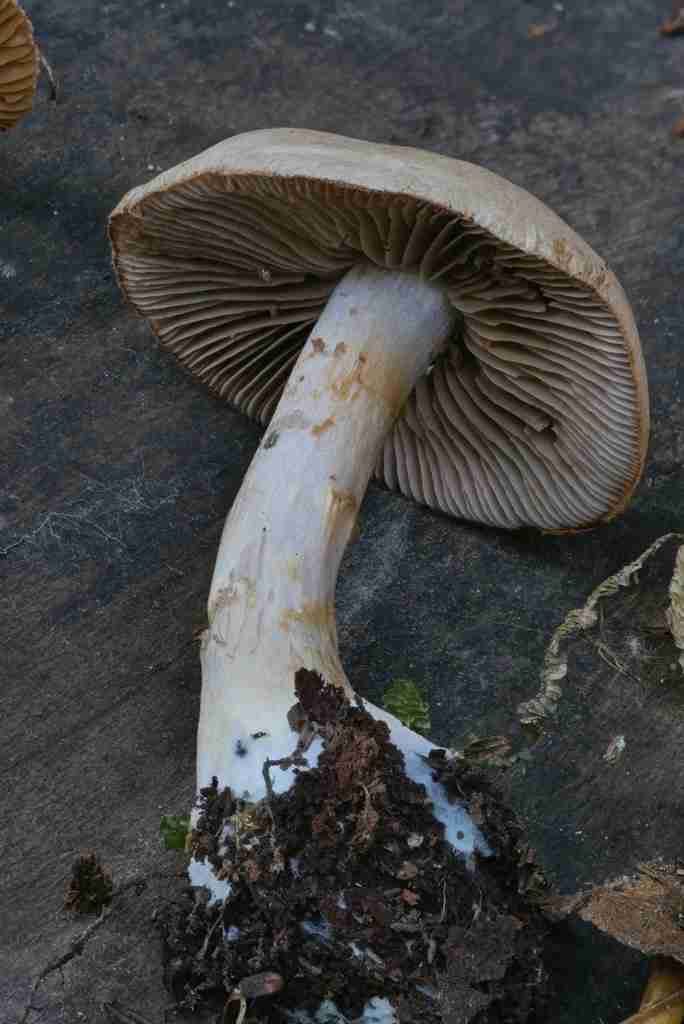
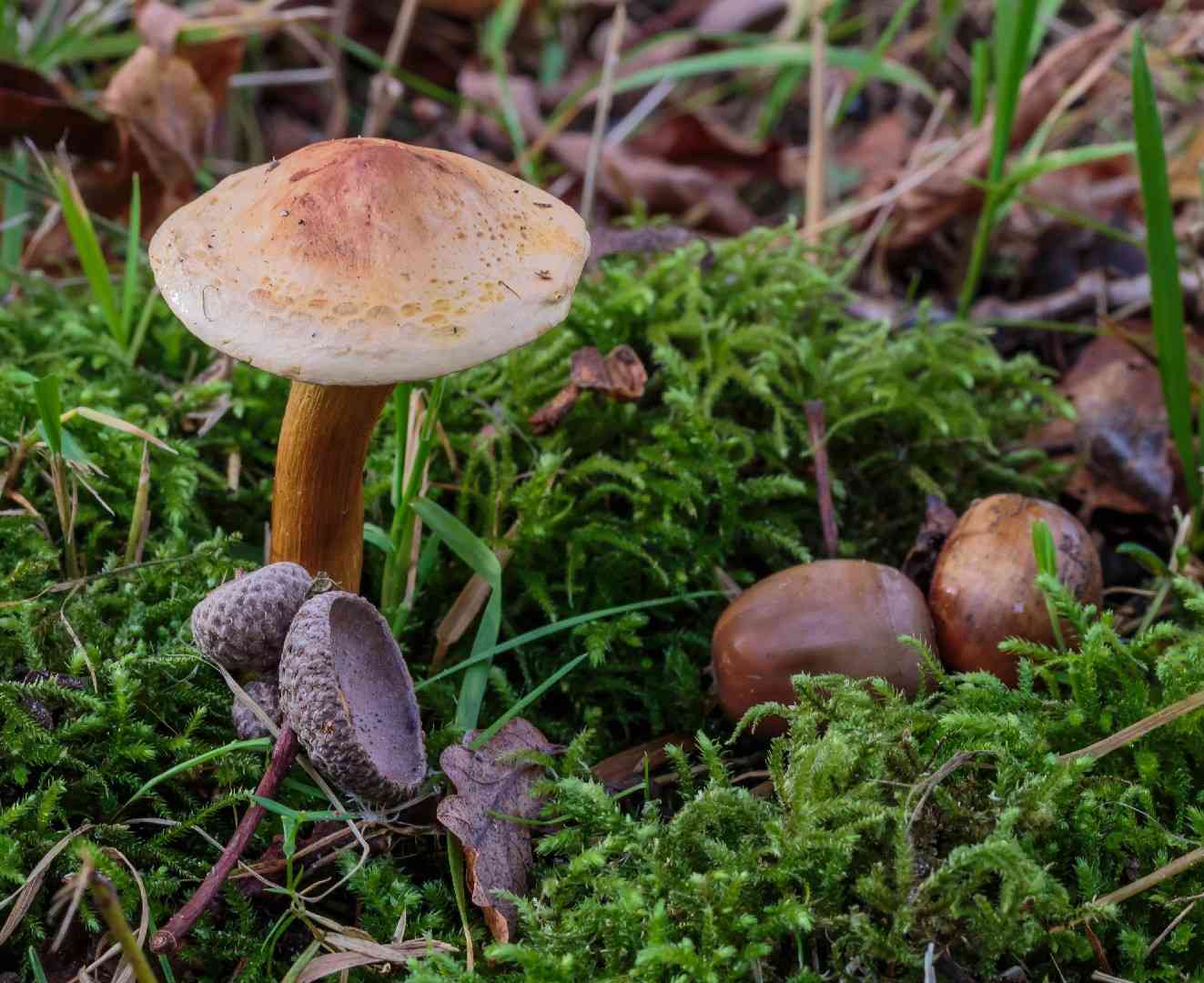
Identifying the variable webcap presents a significant challenge because of its erratic and fluctuating characteristics, hence its name. As the mushroom ages, the cap's color undergoes changes, further complicating efforts to pinpoint its identity. The variable webcap is considered potentially poisonous and should therefore be avoided for consumption. Mature specimens are noted for emitting a cloying, sweet scent. Its typical habitat is within mixed deciduous and coniferous woodlands.
In This Article
Attributes of Variable webcap
Cap Diameter
3 - 7 cm
Height
5 - 10 cm
Cap
Cap 2 - 6 cm; convex, flat, slightly bell-shaped; generally grayish lilac, brown; dry
Cap Shape
Convex, Bell-shaped, Flat, Central Bump
Cap Surfaces
Fibrillose-scaly
Gills
Adnate; close; lilac gray at first, becoming rusty brown
Gill Attachment
Attached
Stem
Stem 3 - 8 cm long, up to 2 cm thick; equal or slightly swollen at the base, solid, becoming hollow; lilac near the apex; dry
Stem Shapes
Cylindrical
Stem Surfaces
Smooth to slightly fibrous
Flesh
Whitish to lilac
Ring
With Ring Zone
Spore Print Color
Rust-brown
Odor
Sweet with a slightly unpleasant undertone.
Body Color
BrownGrayPurple
Flesh Bruises
The flesh or milk does not discolor when bruised or cut.
Growth Form
Solitary, Gregarious
Nutrient Gathering
Mycorrhizal
Substrate
On soil
You can find Variable webcap by these plants
American beech, Oaks, Spruces
Occurence Habitats
Mixed Woodland
Species Status
Apparently widely distributed in North America
Endangered Species
No
Scientific Classification of Variable webcap
Phylum
Club fungi
Class
Mushroom-forming fungi
Order
Gilled fungi
Family
Cortinariaceae
Genus
Cortinar
Toxicity and Edibility of Variable webcap
Is Variable webcap Toxic?
Toxicity information is not available for this mushroom. Always consult with an expert before consuming any wild mushrooms.