Conocybe semiglobata
Conocybe semiglobata
A species of Conecaps.
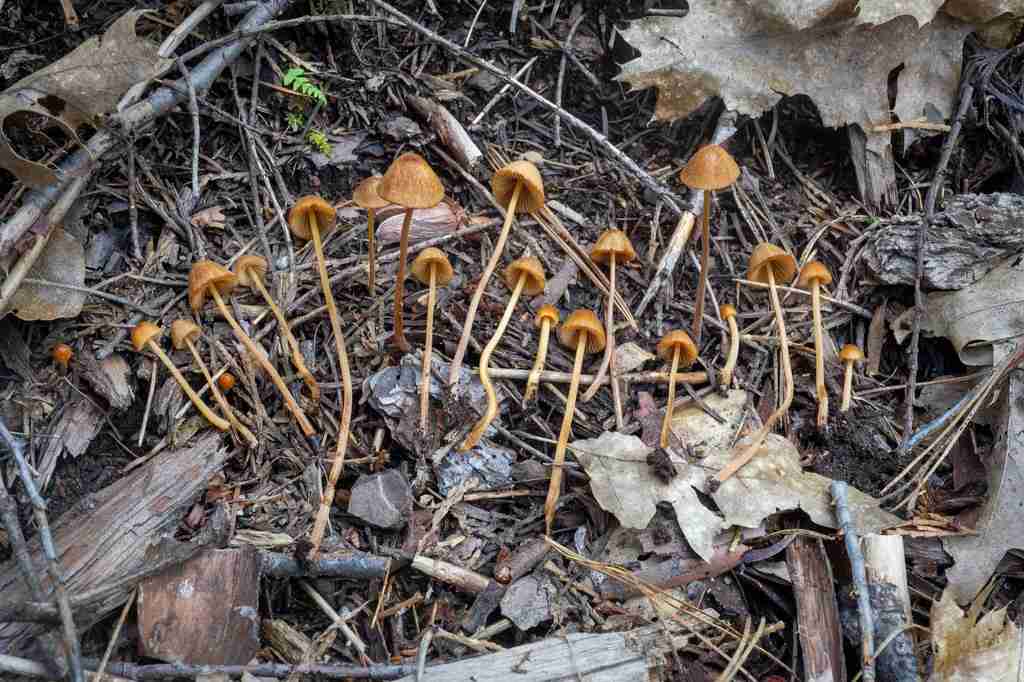
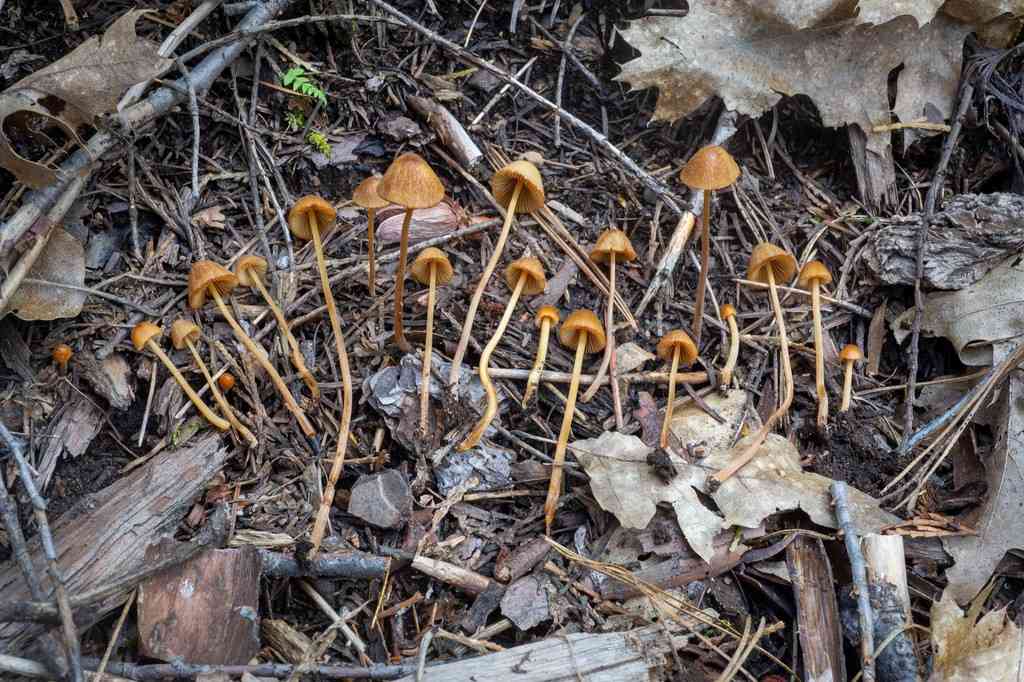
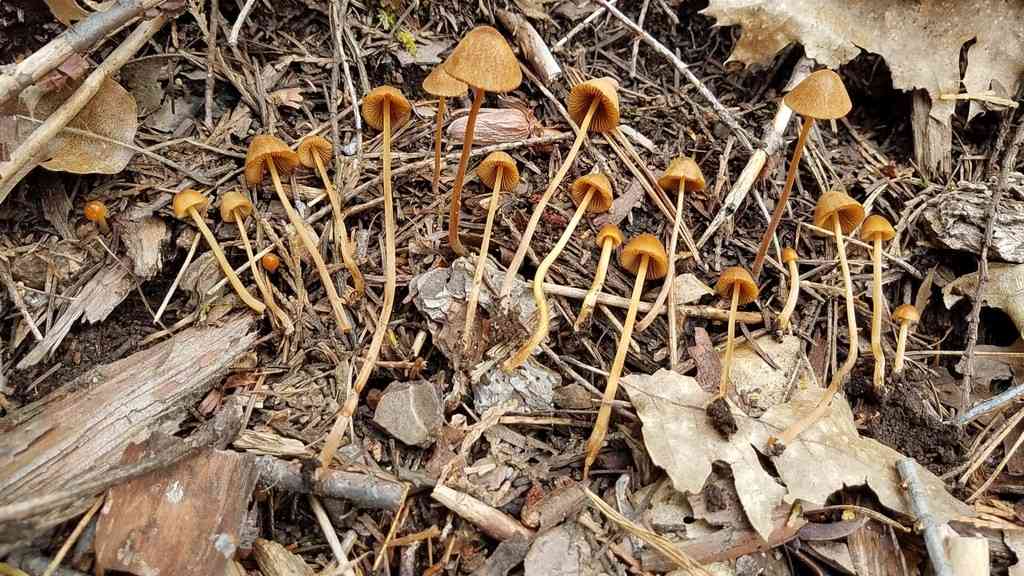
Conocybe semiglobata, a petite and fragile fungus, is characterized by its unique, often viscid, campanulate cap. This species prospers in fertile, grassy environments and frequently emerges following significant rainfall. Possessing a delicate, slender stipe, Conocybe semiglobata commonly appears in groups and has a fleeting presence, often deteriorating rapidly post-emergence.
In This Article
Attributes of Conocybe semiglobata
Cap Diameter
1 - 2 cm
Height
4 - 7 cm
Cap
Cap 1 - 1.5 cm across; conico-convex; orangish brown to tan; margin lined
Cap Shape
Convex, Bell-shaped
Cap Surfaces
Smooth, Visible lines or stripes
Gills
Adnexed; close; pale yellowish to orangish brown
Gill Attachment
Attached
Stem
Stem 4 - 6 cm long, 2 - 3 mm thick; equal; yellowish brown to brown
Stem Shapes
Cylindrical
Stem Surfaces
Ribbed
Flesh
Brownish; unchanging when sliced
Ring
Ringless
Spore Print Color
Medium brown
Odor
Mildly mushroomy but not distinctive.
Body Color
BrownYellowOrange
Flesh Bruises
The flesh or milk does not discolor when bruised or cut.
Growth Form
Solitary, Gregarious
Nutrient Gathering
Saprophytic
Substrate
On soil
Occurence Habitats
Meadows
Species Status
Widespread
Endangered Species
No
Scientific Classification of Conocybe semiglobata
Phylum
Club fungi
Class
Mushroom-forming fungi
Order
Gilled fungi
Family
Bolbitiaceae
Genus
Conecaps
Toxicity and Edibility of Conocybe semiglobata
Is Conocybe semiglobata Toxic?
Conocybe semiglobata is poisonous; consuming it can result in various ailments. It's advisable to avoid this fungus.

