Concybe aurea
Conocybe aurea
A species of Conecaps.
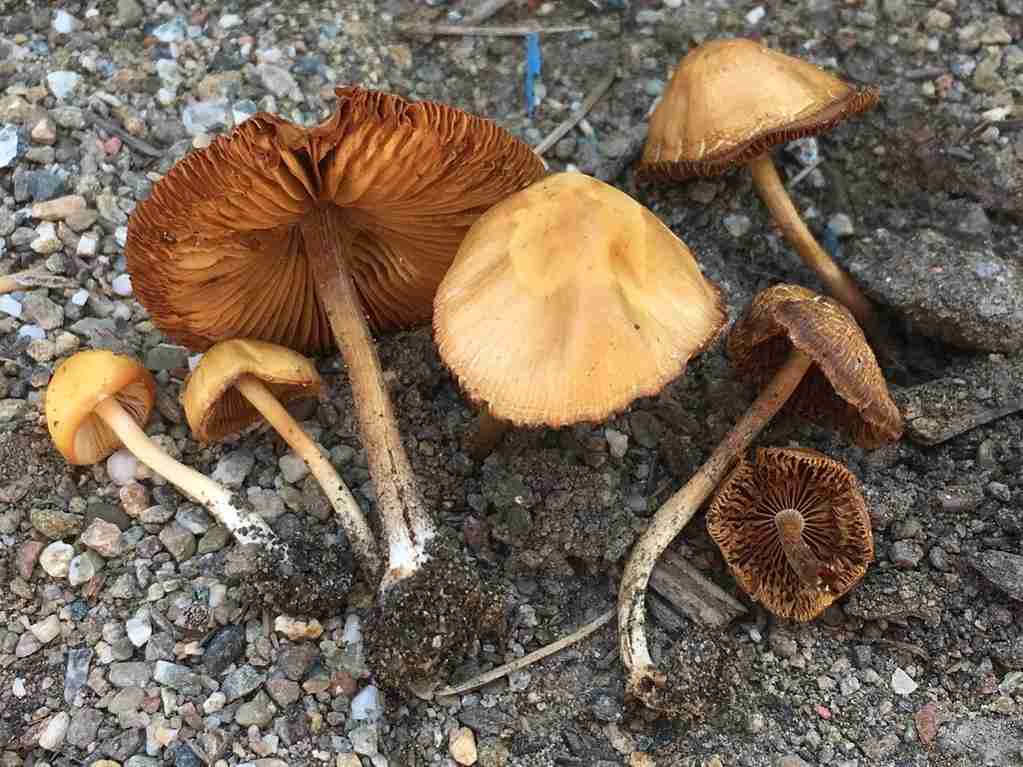
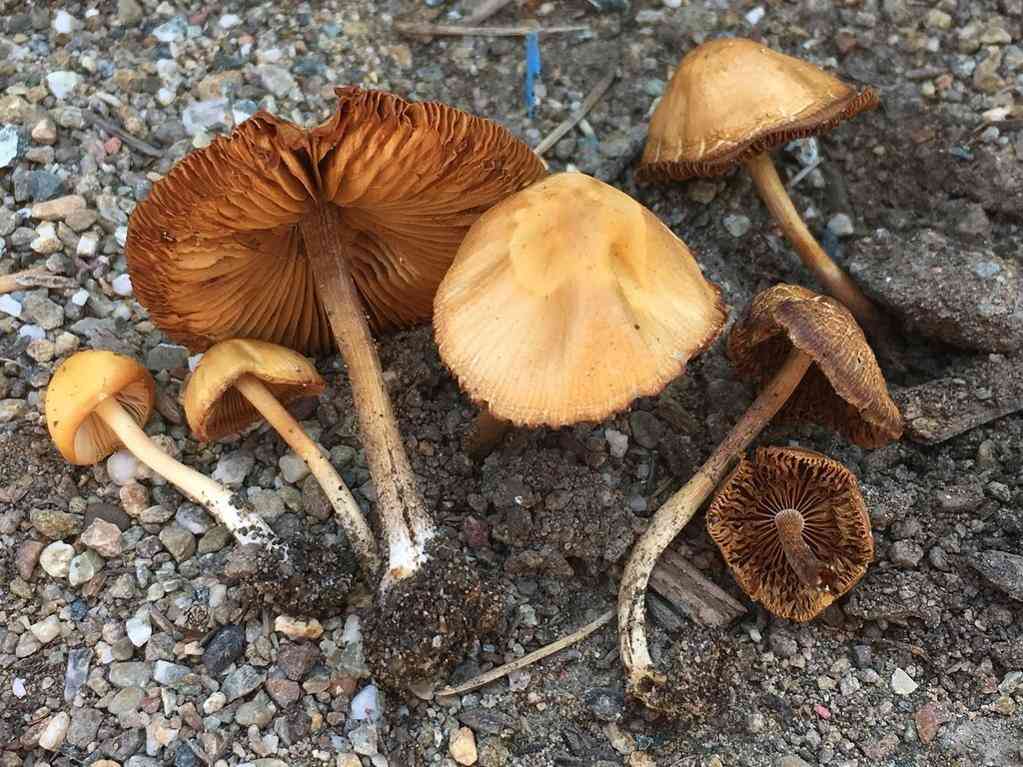
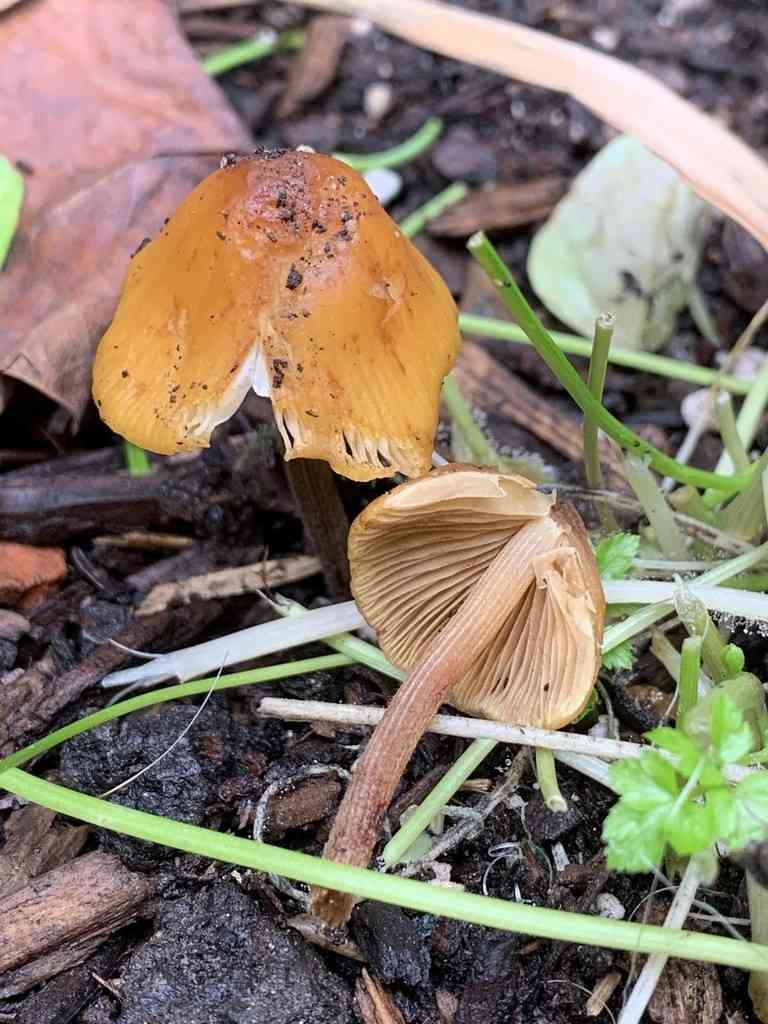
Concybe aurea is widely recognized in landscaped and urban environments due to its affinity for nitrogen-dense soils. Consequently, it's a common sight in places like cultivated fields, compost heaps, and areas with mulch or similar organic matter. This particular mushroom exhibits hygrophanous properties, meaning its coloration is influenced by the amount of moisture it contains.
In This Article
Attributes of Concybe aurea
Cap Diameter
1 - 5 cm
Height
3 - 7 cm
Cap
Cap 1.2 - 5 cm across; conic-bellshaped to flat; yellow
Cap Shape
Convex, Bell-shaped, Flat, Central Bump
Cap Surfaces
Smooth, Visible lines or stripes
Gills
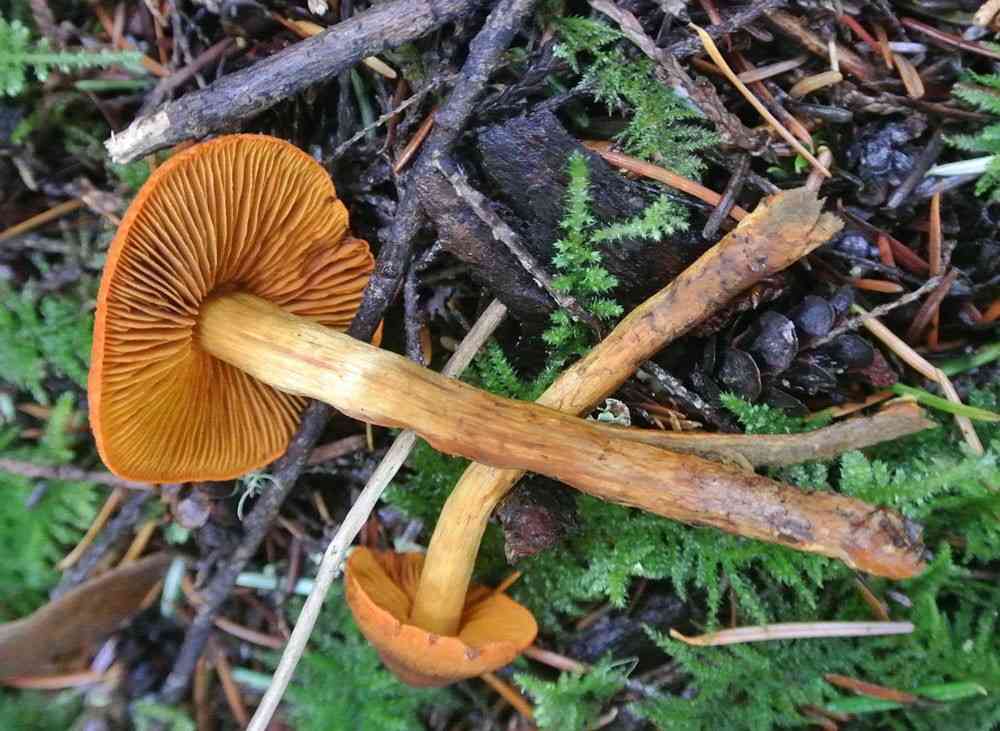
Narrowly adnate; crowded; whitish
Gill Attachment
Attached
Stem
Stem 3 - 5 cm long, 1.5 - 4 mm thick; slightly swollen base; whitish, pale yellow-brown
Stem Shapes
Cylindrical
Ring
Ringless
Spore Print Color
Brown
Odor
Mildly earthy, generally pleasant.
Body Color
BrownYellowWhiteOrange
Flesh Bruises
The flesh or milk does not discolor when bruised or cut.
Growth Form
Solitary, Scattered, Gregarious
Nutrient Gathering
Saprophytic
Substrate
On soil
Species Status
Rare but widespread
Scientific Classification of Concybe aurea
Phylum
Club fungi
Class
Mushroom-forming fungi
Order
Gilled fungi
Family
Bolbitiaceae
Genus
Conecaps
Toxicity and Edibility of Concybe aurea
Is Concybe aurea Toxic?
Golden Concybe mushrooms are potentially hazardous. Avoiding contact with them is advisable.

