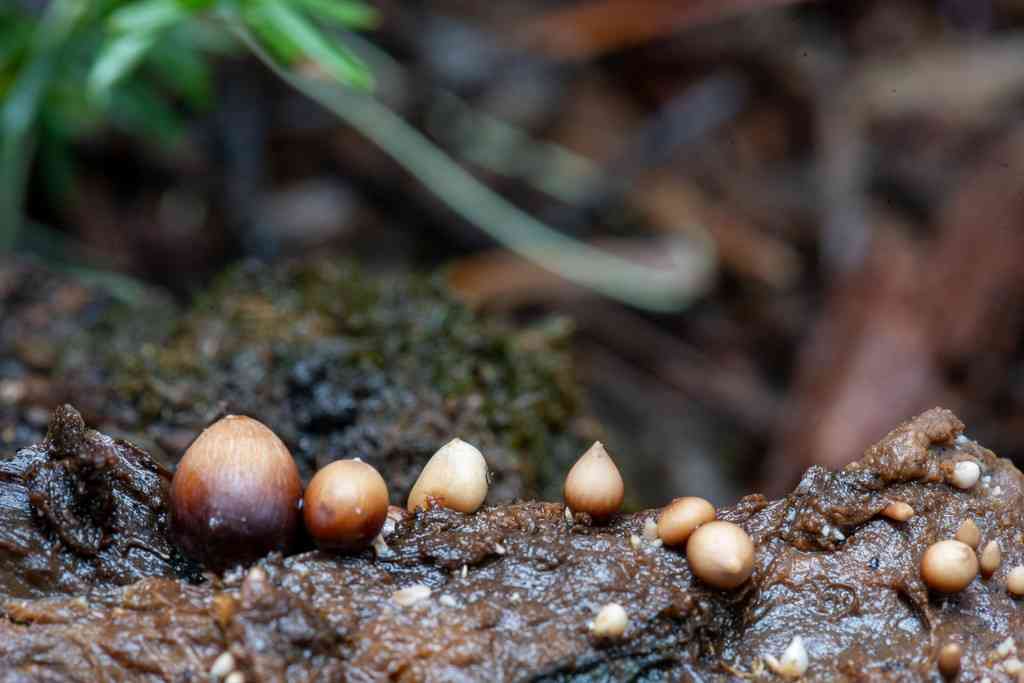
Lentil shanklet
Collybia tuberosa
A species of Collybia.
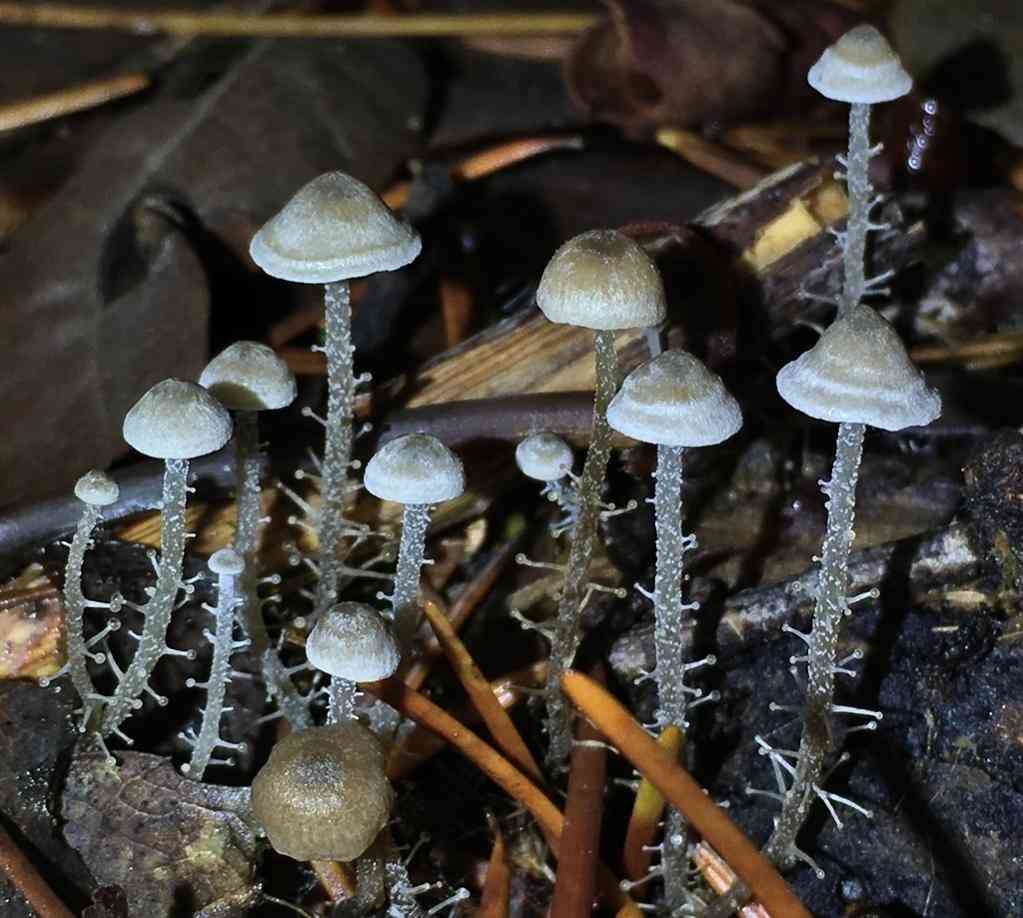
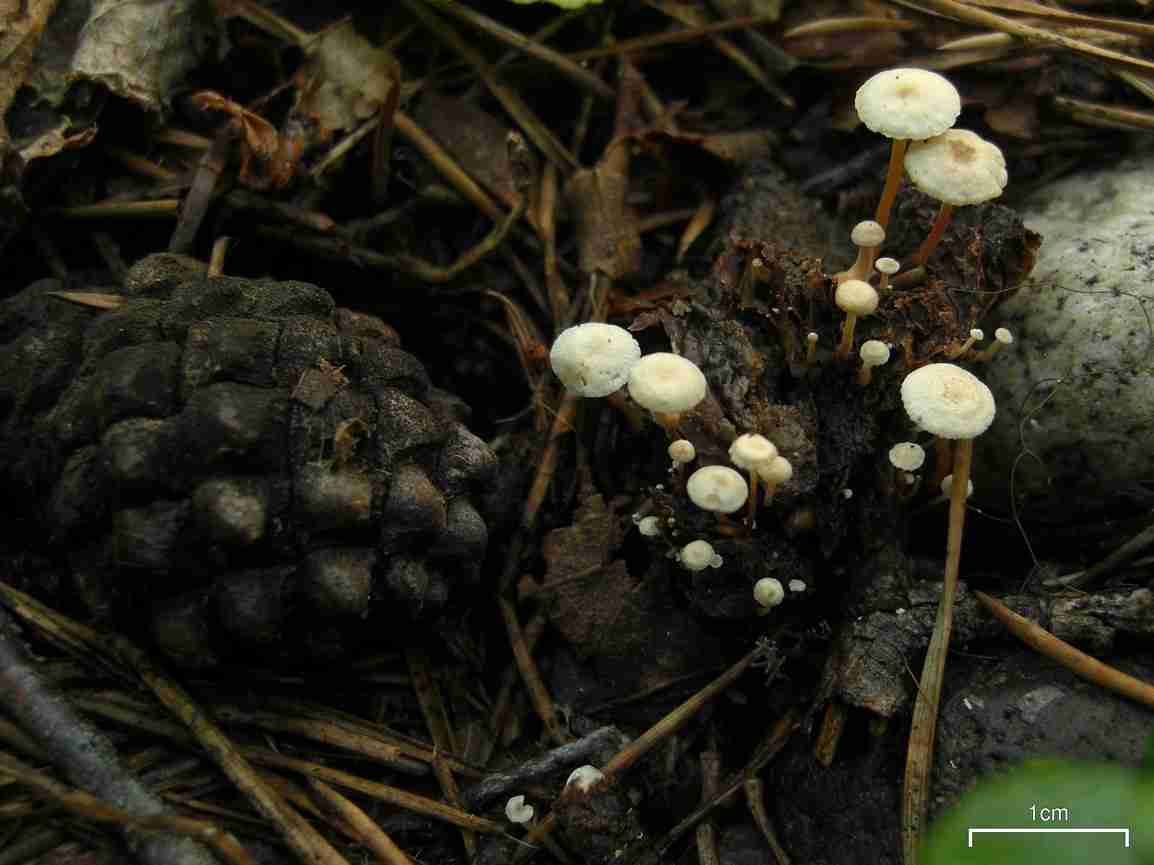
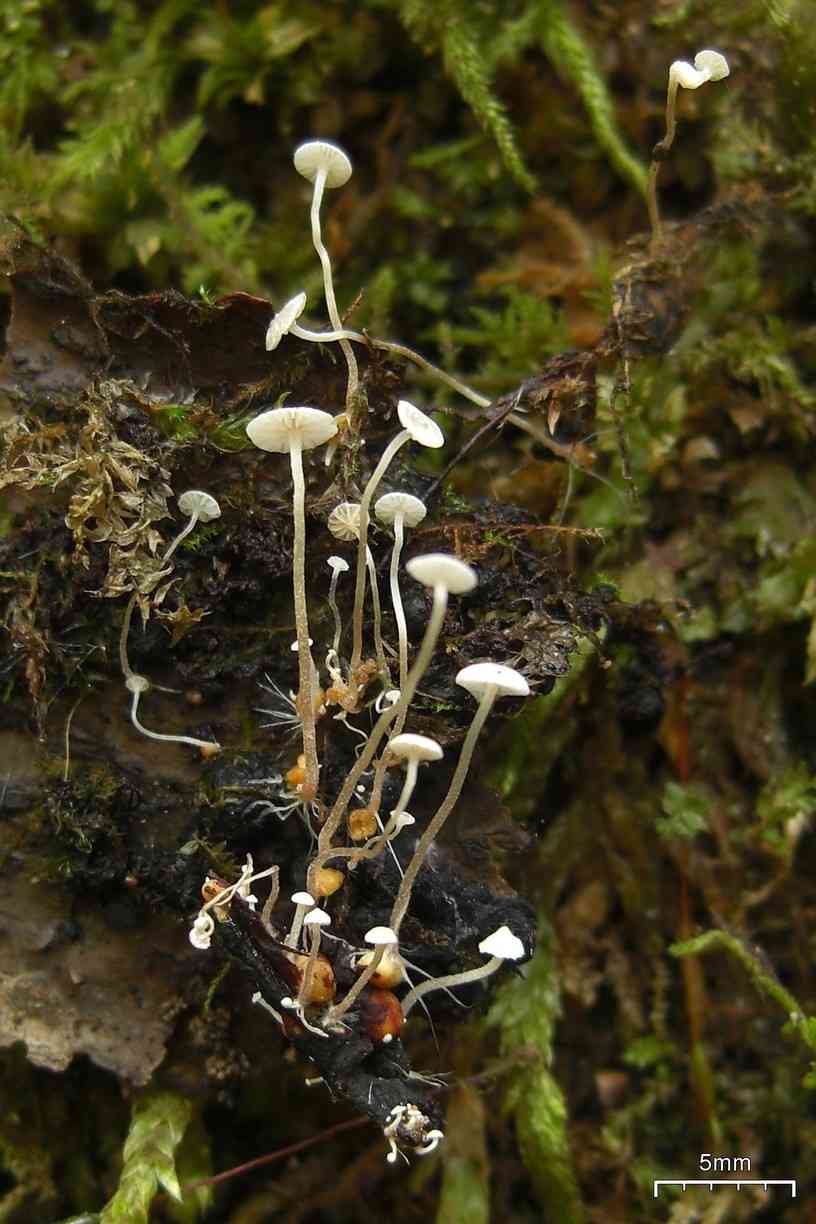
Lentil shanklet, a parasitic fungus, thrives on the decomposition of other fungi, where its presence is commonly noted. Its typical season for discovery spans from late summer through autumn. There is a potential for confusion between Lentil shanklet and the Felted Twiglet, the latter of which is generally encountered on woody substrates.
In This Article
Attributes of Lentil shanklet
Cap Diameter
2 - 10 mm
Height
2 - 5 cm
Cap
Cap 2 - 10 mm; convex to flat; whitish; dry or moist, more or less bald; sometimes lined on the margin
Cap Shape
Convex, Flat, Depressed, Central Bump
Cap Surfaces
Smooth, Visible lines or stripes
Gills
Adnate; close or almost distant; whitish or pale pinkish
Gill Attachment
Attached
Stem
Stem 1 - 5 cm long, about 1 mm thick; equal, becoming hollow; whitish to pinkish; dry, often minutely dusted at the apex and/or base
Stem Shapes
Cylindrical
Stem Surfaces
Smooth
Flesh
Thin; whitish
Ring
Ringless
Odor
Mild, non-distinctive, often masked by substrate.
Body Color
WhitePink
Flesh Bruises
The flesh or milk does not discolor when bruised or cut.
Growth Form
Scattered, Gregarious
Nutrient Gathering
Saprophytic
Substrate
On mushrooms
You can find Lentil shanklet by these plants
Spruces, Pines
Occurence Habitats
Deciduous Woodland, Coniferous Woodland
Species Status
Widely distributed in North America
Endangered Species
No
Scientific Classification of Lentil shanklet
Phylum
Club fungi
Class
Mushroom-forming fungi
Order
Gilled fungi
Family
Pale-spore mushrooms
Genus
Collybia
Toxicity and Edibility of Lentil shanklet
Is Lentil shanklet Toxic?
Toxicity information is not available for this mushroom. Always consult with an expert before consuming any wild mushrooms.