Miller's oysterling
Clitopilus hobsonii
A species of Clitopilus.
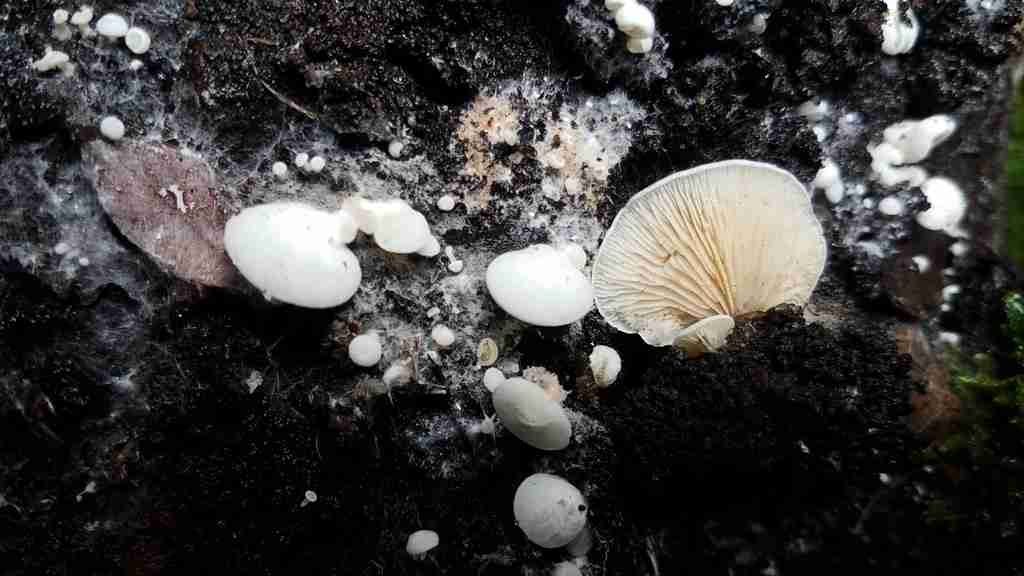
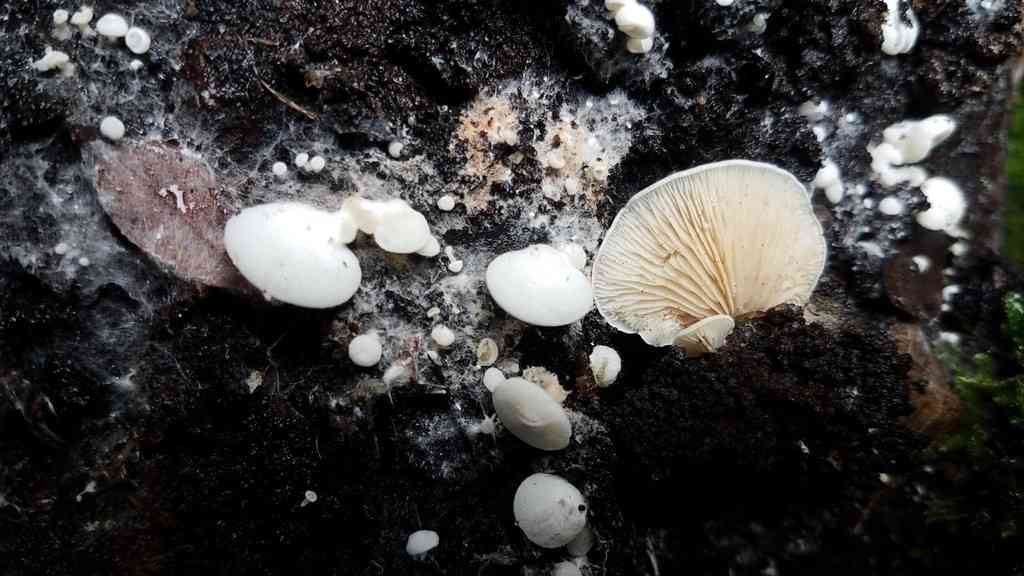
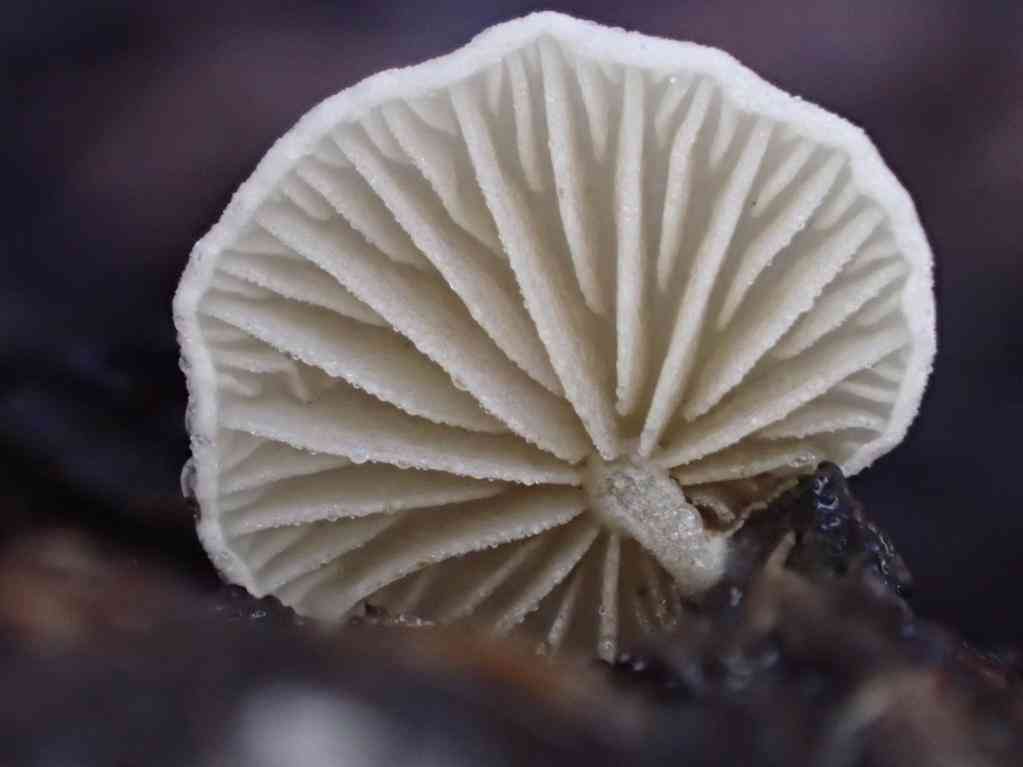
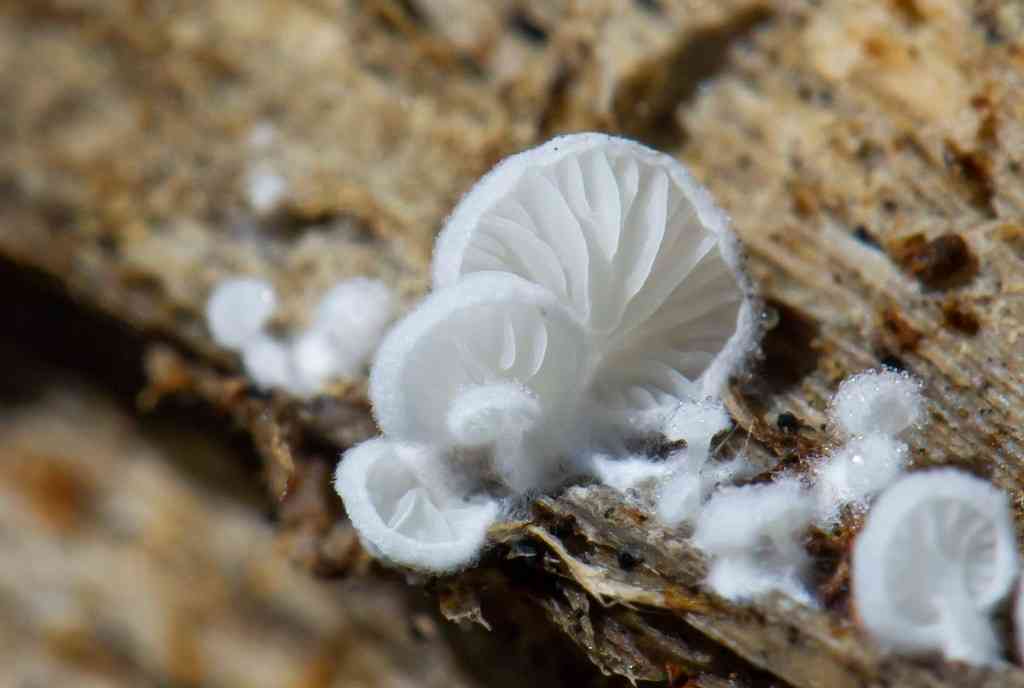
Miller's oysterling, a diminutive fungus, presents with a distinctive fan or oyster-like form and gills, frequently found in gatherings on deteriorating timber. It displays a delicate, light to pinkish-grey cap and a compact, asymmetrically positioned stalk. This species is commonly observed following precipitation during the summer and autumn months. Its ecological function involves assisting in the breakdown of wood, thereby contributing to the cycling of nutrients within woodland environments.
In This Article
Attributes of Miller's oysterling
Cap Diameter
4 - 16 mm
Cap Shape
Convex
Cap Surfaces
Smooth, Velvety, Fibrillose-scaly
Spore Print Color
Pinkish
Odor
Mild, non-distinct mushroom smell.
Flesh Bruises
The flesh or milk does not discolor when bruised or cut.
Growth Form
Solitary, Gregarious
Nutrient Gathering
Saprophytic
Substrate
Dead Woods, Stems of Herbs
You can find Miller's oysterling by these plants
Spruces, Oaks
Occurence Habitats
Deciduous Woodland
Scientific Classification of Miller's oysterling
Phylum
Club fungi
Class
Mushroom-forming fungi
Order
Gilled fungi
Family
Entolomataceae
Genus
Clitopilus
Toxicity and Edibility of Miller's oysterling
Is Miller's oysterling Toxic?
Toxicity information is not available for this mushroom. Always consult with an expert before consuming any wild mushrooms.

