Northern tooth
Climacodon septentrionalis
A species of Climacodon.
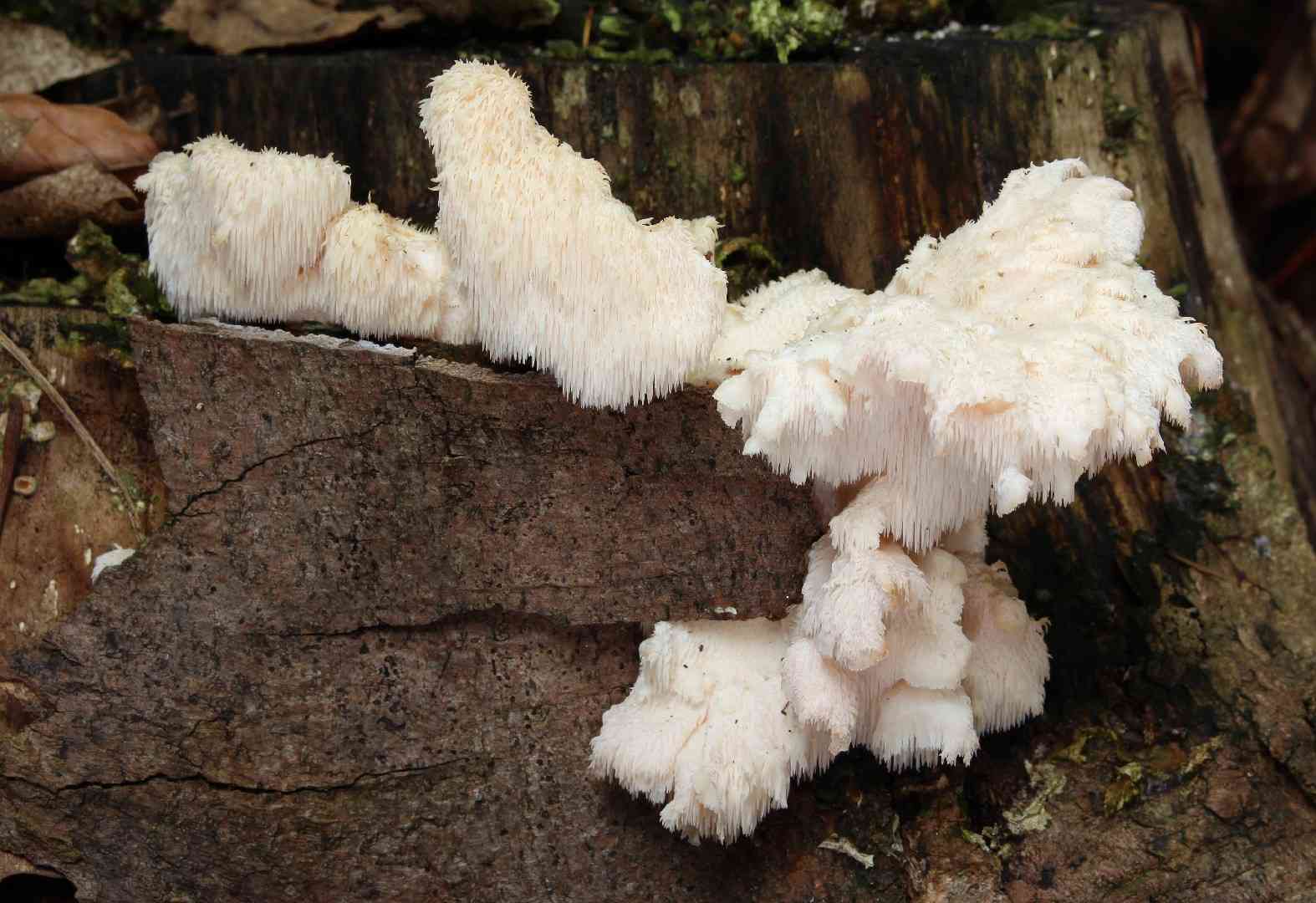
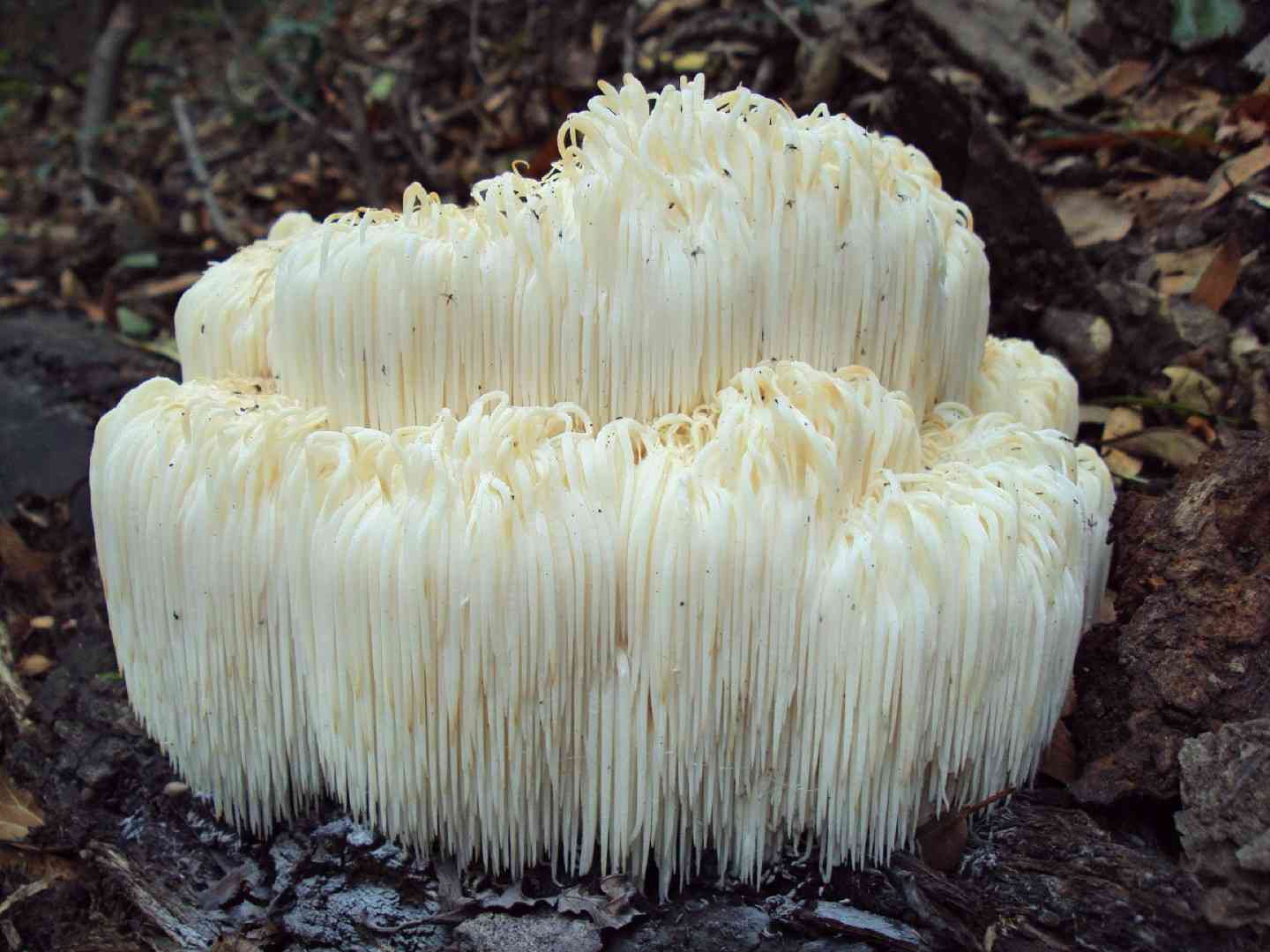
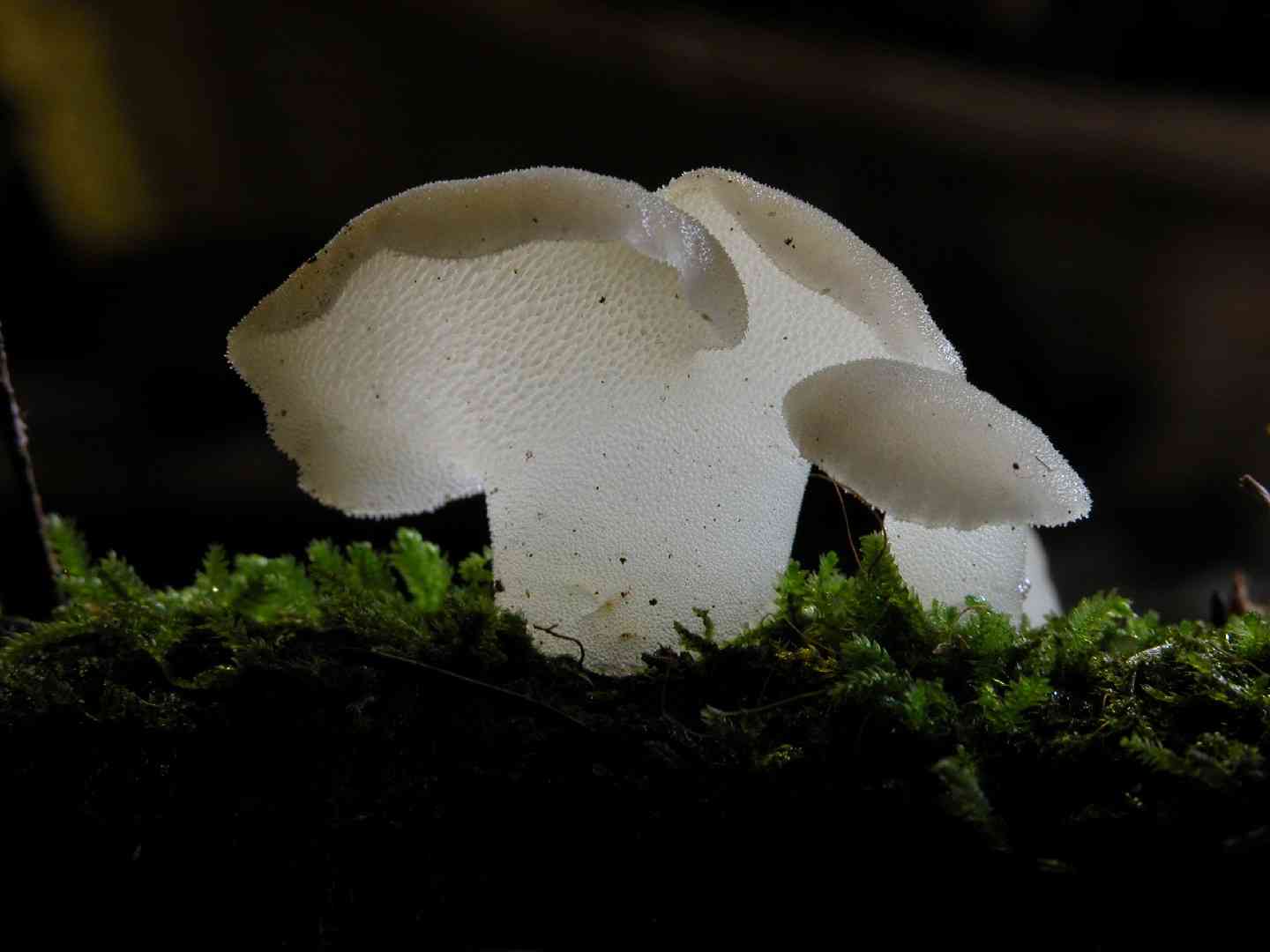
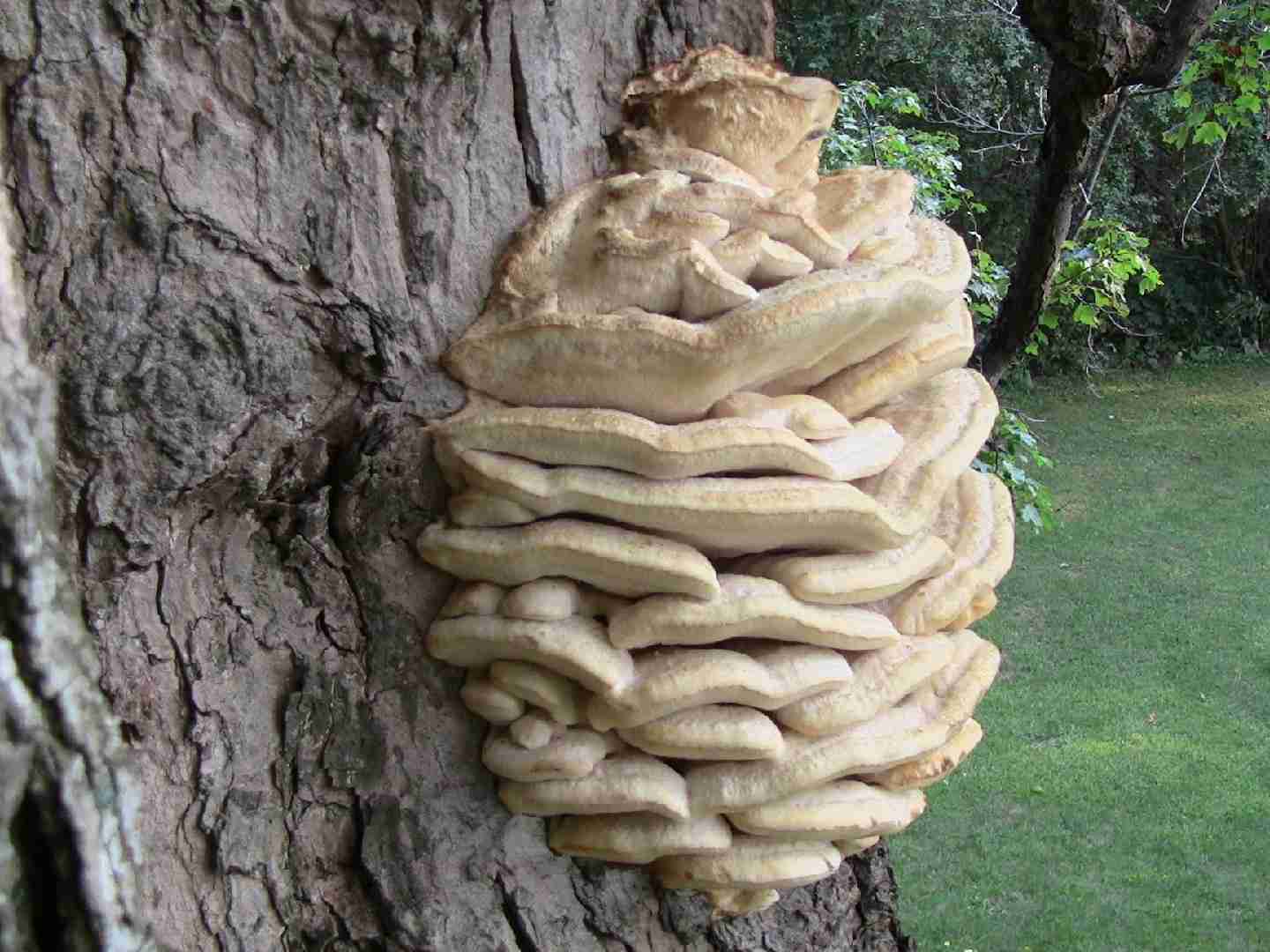
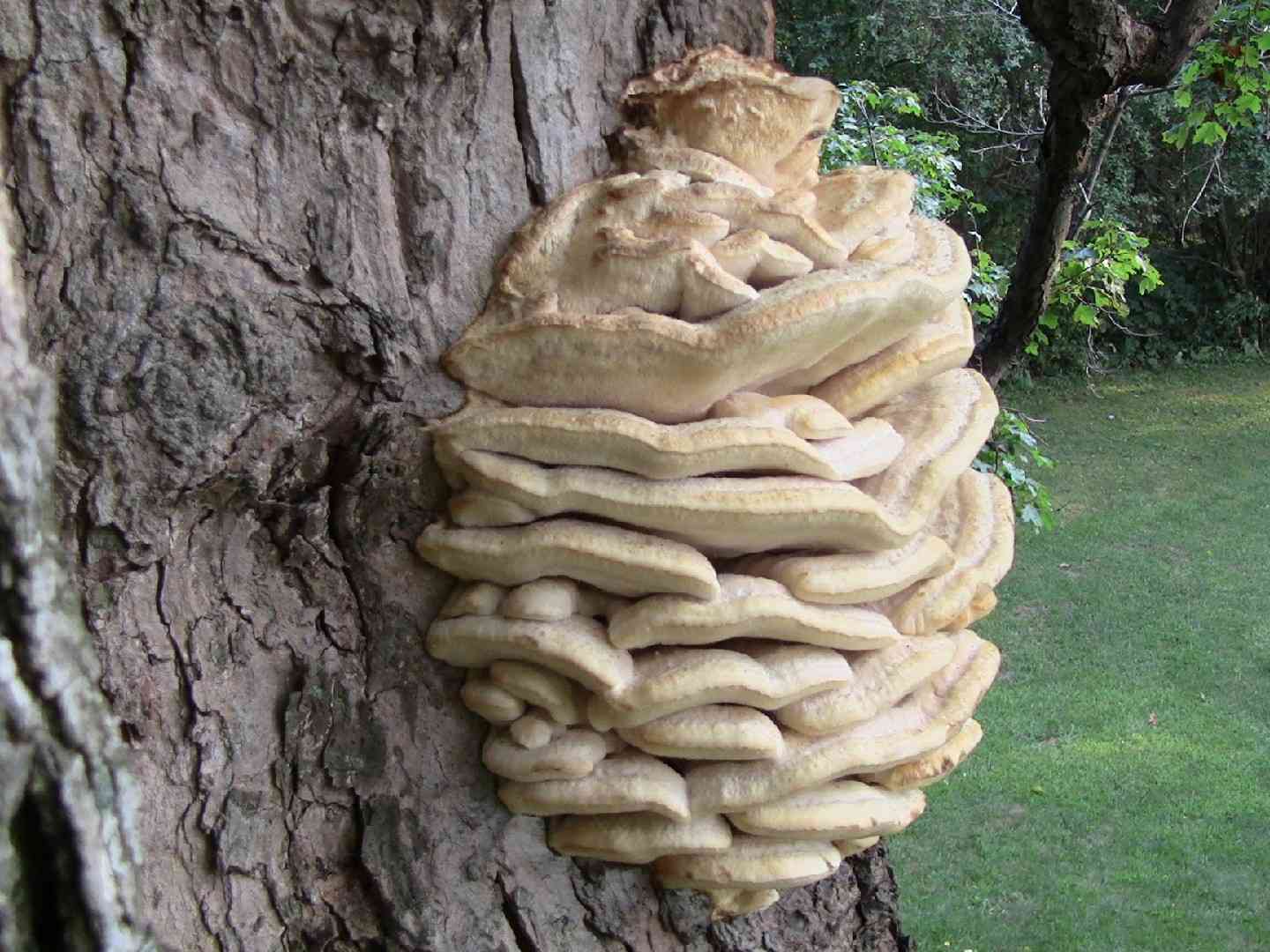
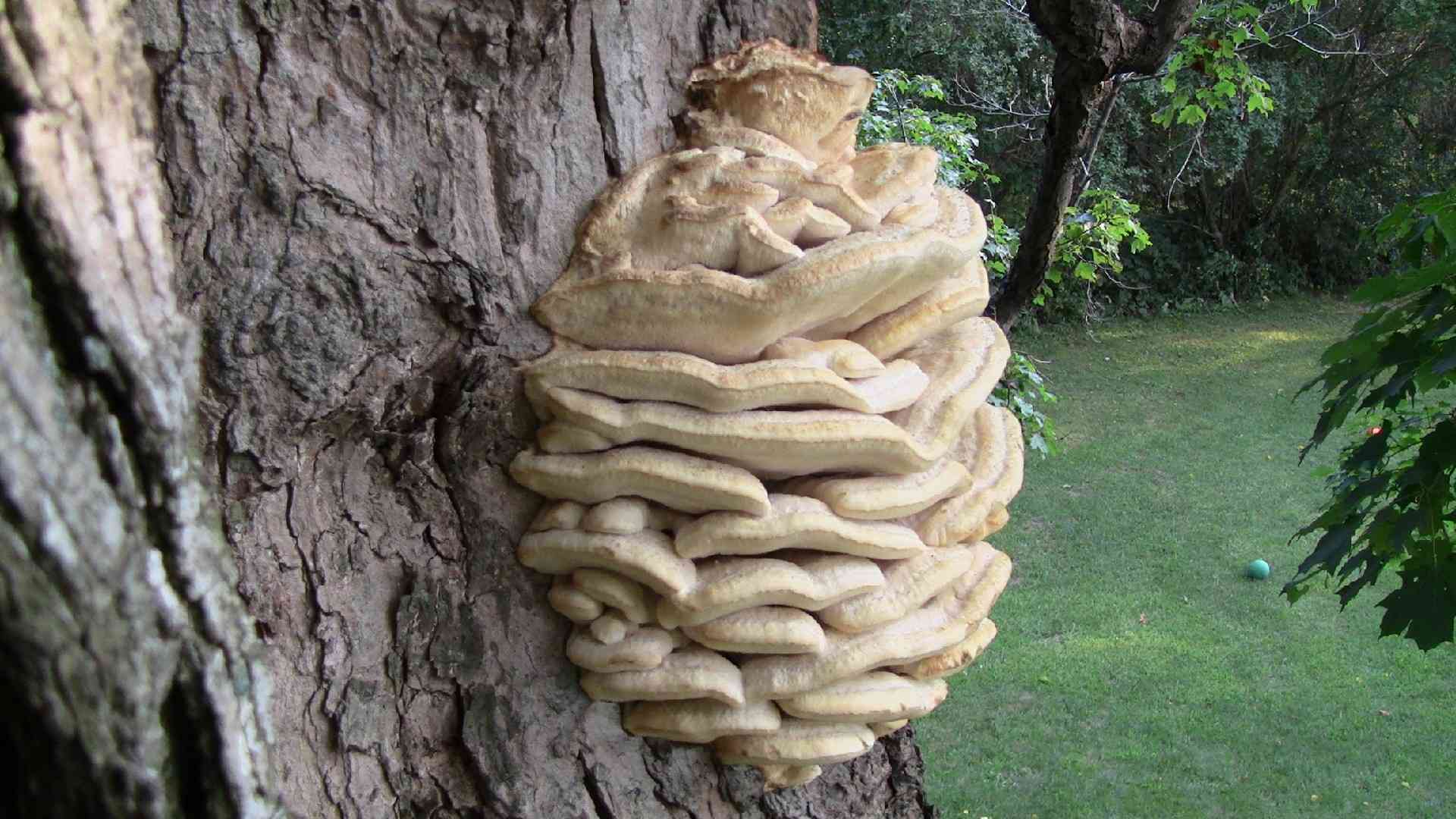
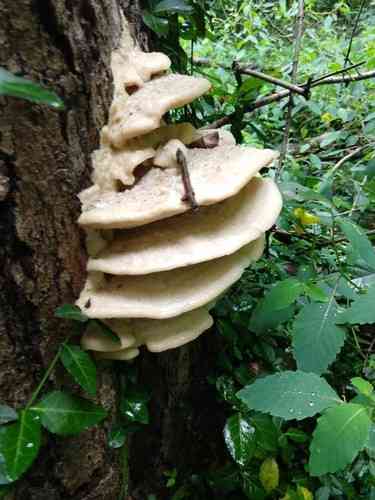
Climacodon septentrionalis, commonly known as Northern tooth, is distinguished by the tooth-like spines beneath its caps, which are not easily visible from afar. This parasitic fungus infects trees, causing a destructive heart rot that ultimately leads to the host's death. It is not considered suitable for consumption.
In This Article
Attributes of Northern tooth
Cap Diameter
20 - 35 cm
Height
5 - 30 cm
Cap
Cap 30 cm across; convex, flat, kidney-shaped, semicircular; cream to yellowish cream, brownish, greenish
Cap Shape
Convex, Flat, Depressed
Cap Surfaces
Fibrillose-scaly, Slimy or slightly sticky
Flesh
Tough; white; unchanging
Spore Print Color
White
Odor
Mildly mushroomy, becomes foul with age.
Body Color
YellowWhite
Flesh Bruises
The flesh or milk does not discolor when bruised or cut.
Growth Form
Clustered
Nutrient Gathering
Parasitic
Substrate
Wood of Living Trees
You can find Northern tooth by these plants
Sugar maple, American beech, Horse Chestnut
Occurence Habitats
Deciduous Woodland
Endangered Species
No
Scientific Classification of Northern tooth
Phylum
Club fungi
Class
Mushroom-forming fungi
Order
Shelf fungi
Family
Phanerochaetaceae
Genus
Climacodon
Toxicity and Edibility of Northern tooth
Is Northern tooth Toxic?
Toxicity information is not available for this mushroom. Always consult with an expert before consuming any wild mushrooms.