Ergot

Claviceps purpurea

A species of Ergots. Also known as Pooidae ergot, Rye ergot fungus.

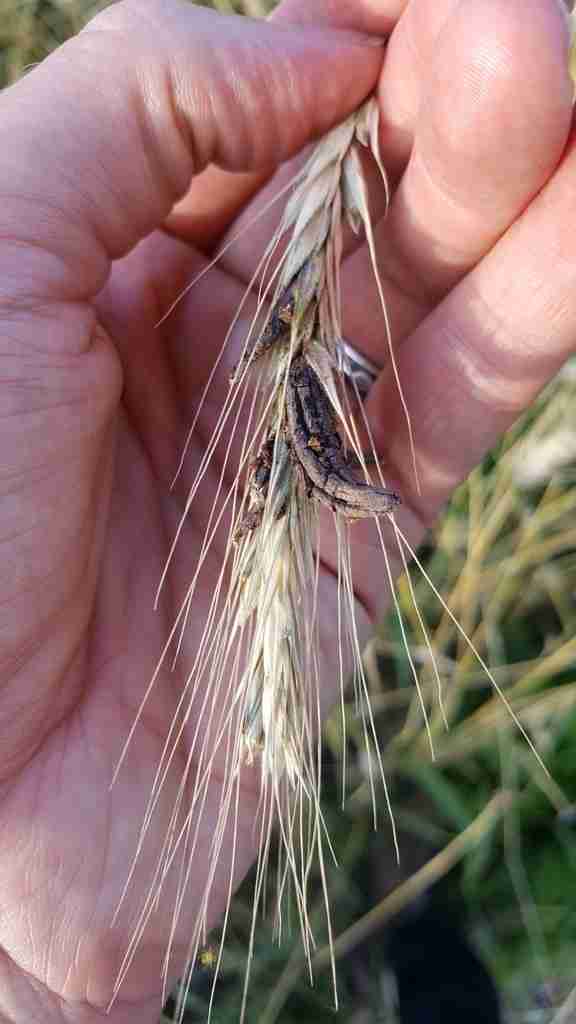
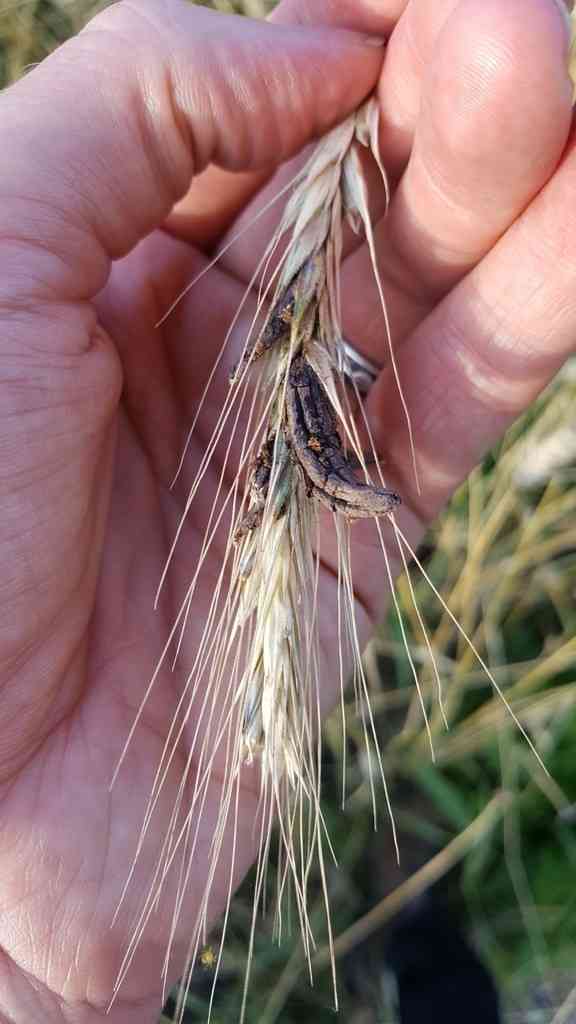
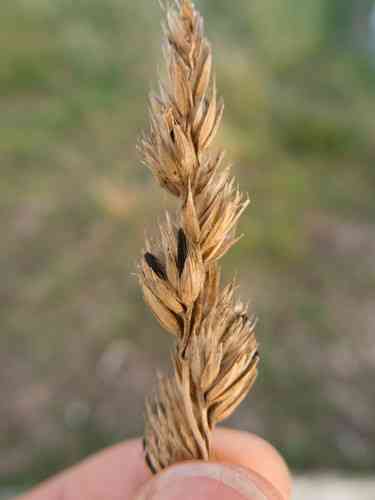
Fungi belonging to the genus Claviceps, such as the ergot, are parasitic on cereal crops like wheat and rye. Ingesting ergot can be fatal due to its toxic compounds. Consequently, all contaminated grains must be eliminated to ensure the crop's safety for human or animal consumption.

In This Article
Attributes Classification Toxicity

Attributes of Ergot

ForwardPlant - ID plants and mushrooms, and learn more about them🌿

Identify and diagnose plants, get toxicity alerts, and explore safety guides for all types of fungi.

Try for Free
Cap Diameter
1 - 2 mm
Height
1 - 1.3 cm
Cap
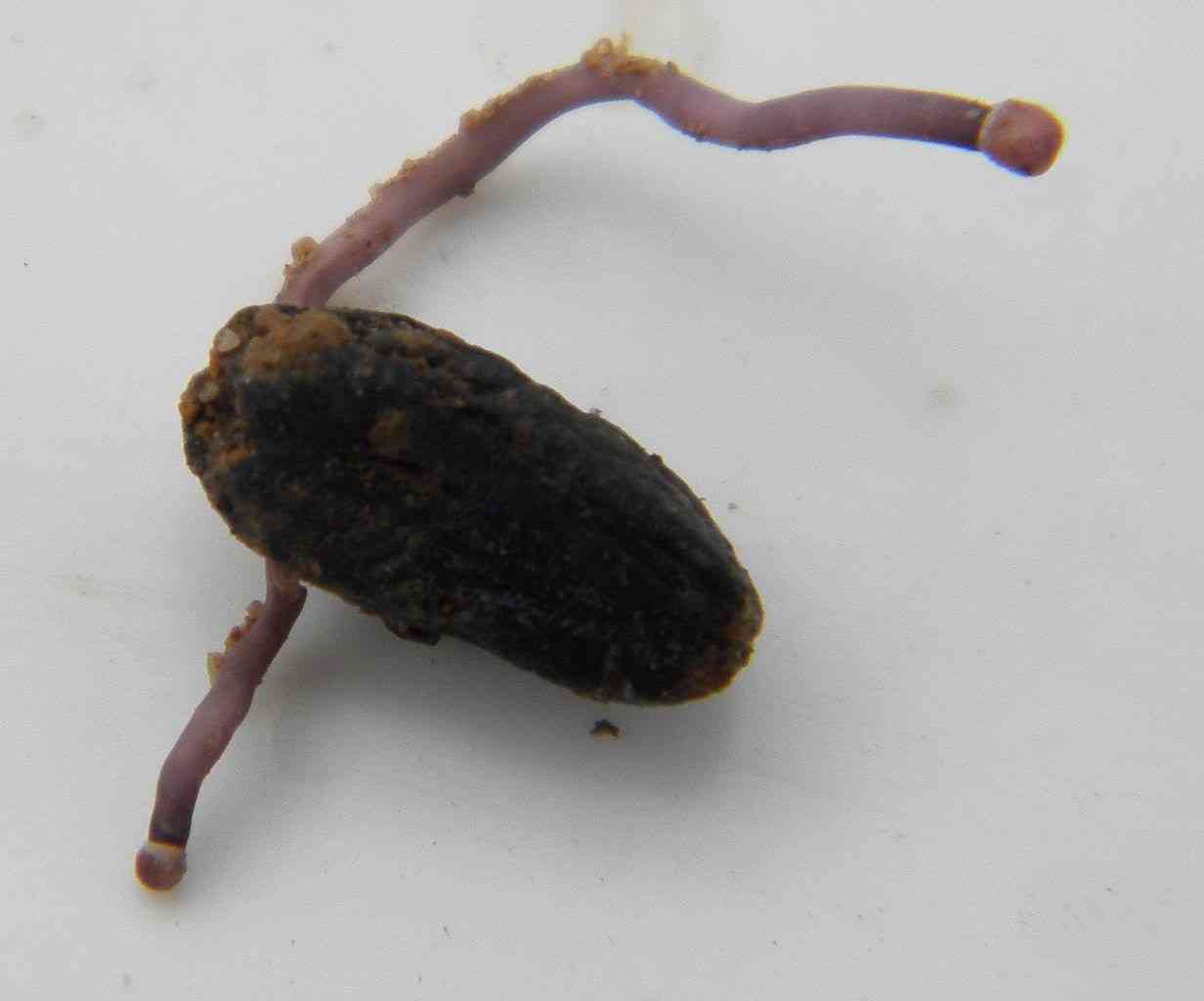
1 - 2 mm dia.; banana-shaped; purple, becoming black
Spore Print Color
White
Odor
Mildly mushroomy but not distinctive.
Body Color
BrownPurple
Flesh Bruises
The flesh or milk does not discolor when bruised or cut.
Nutrient Gathering
Parasitic
Species Status
Widely distributed
Endangered Species
No

Scientific Classification of Ergot

ForwardPlant APP

AI mushroom expert in your pocket

Try for Free
Phylum
Sac fungi
Class
Sordariomycetes
Order
Hypocreales
Family
Clavicipitaceae
Genus
Ergots
⚠️

Toxicity and Edibility of Ergot

ForwardPlant: Identify & Forage

Your Essential Guide to Edible vs. Toxic Mushrooms. Forage with Confidence!

Try for Free

Is Ergot Toxic?

Ergot is a highly toxic fungus. Its fungal growth harbors potent toxins capable of inducing a range of adverse health effects in humans, potentially culminating in fatalities in the most severe instances. Consuming any harvest contaminated with ergot can lead to grave illnesses, characterized by intense burning sensations in the extremities, limb loss, and a severe form of gangrene.


Toxins type
Ergotamine, Ergometrine
Toxic Severity
Extreme toxicity
Incubation Period
Hours to days duration
Poisoning Symptoms
It can cause severe symptoms including neurological issues, circulatory problems in limbs, low pulse, limb death, headaches, vomiting, diarrhea, confusion, paralysis, and sensory disturbances. Critical conditions may escalate to massive heart attack, acute kidney failure, and respiratory paralysis, potentially leading to death.