Moor club
Clavaria argillacea
A species of Clavarioid fungi.
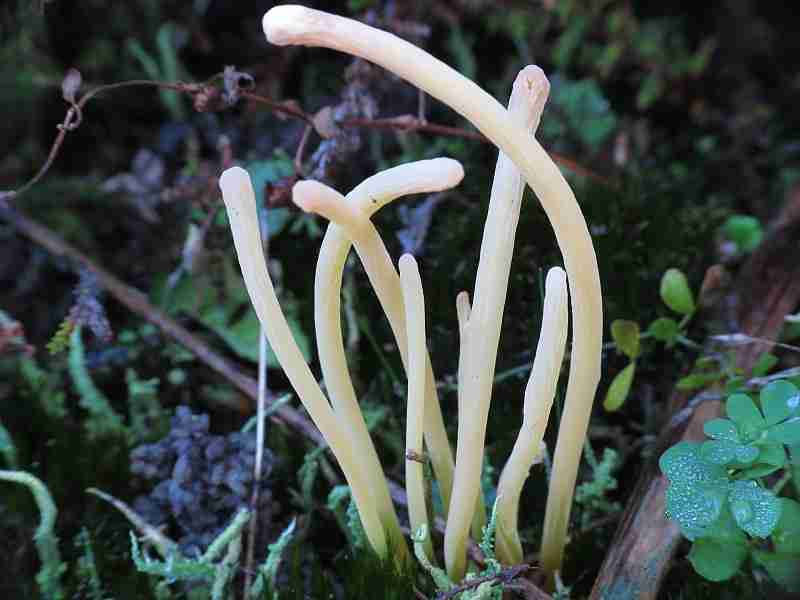
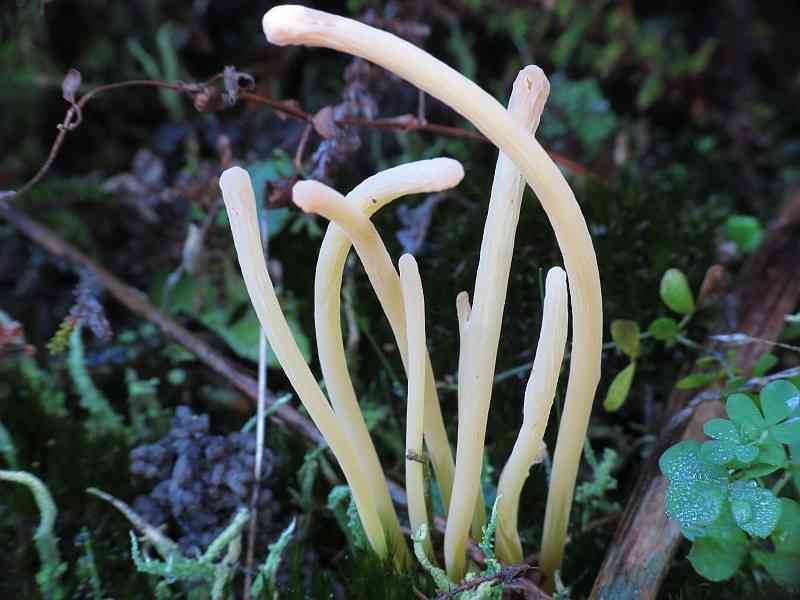
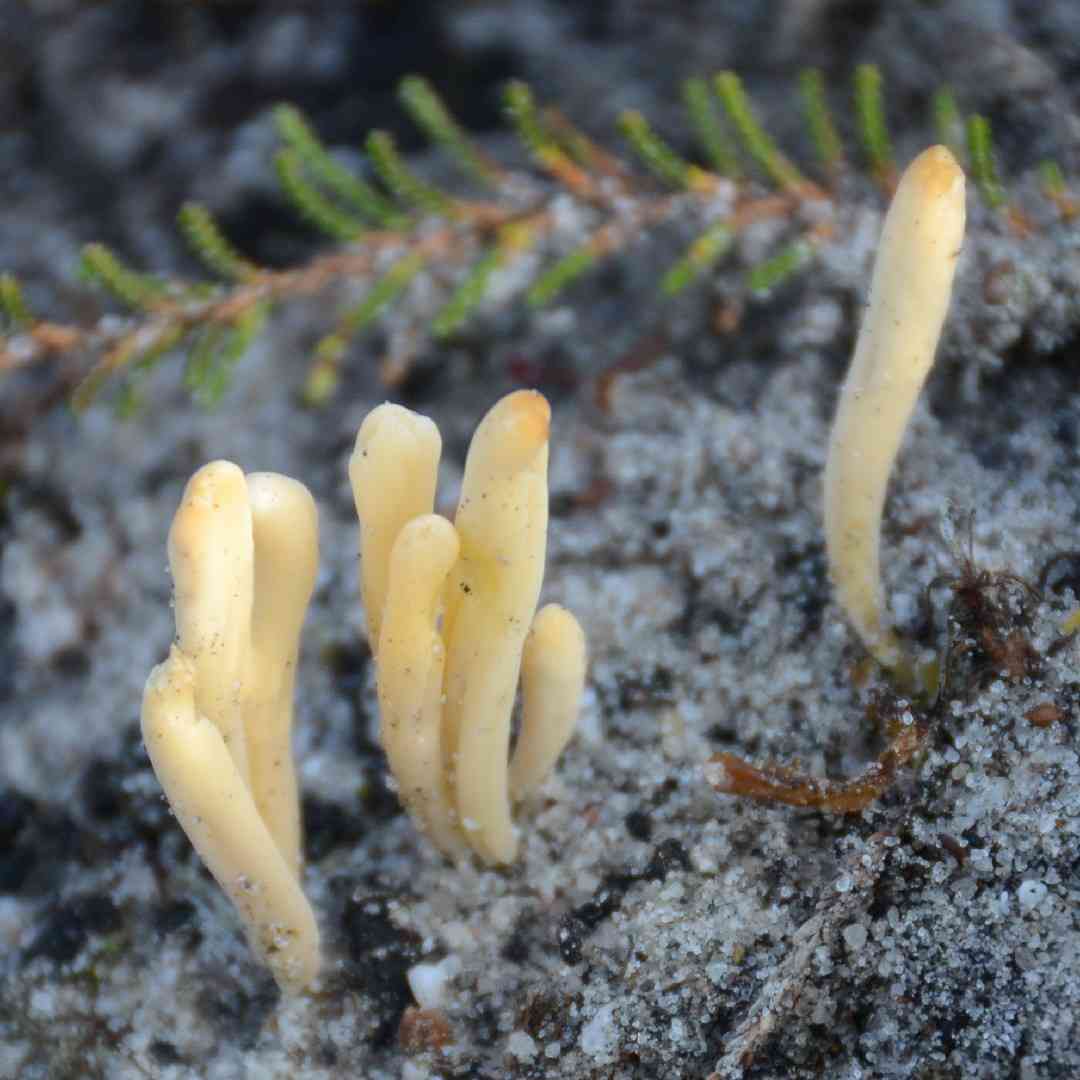
Moor clubs are recognized by their thin, digit-like fruiting bodies, commonly displaying a light, clay-like hue. They favor growth in woodland environments, frequently within moss-covered areas. This species is notable for its distinct club-like form and is typically observed during the autumn period. Flourishing in temperate zones, moor clubs establish beneficial partnerships with nearby vegetation.
In This Article
Attributes of Moor club
Height
2 - 8 cm
Flesh
Delicate; whitish
Spore Print Color
White
Odor
Mildly mushroomy but not distinctive.
Body Color
Yellow
Flesh Bruises
The flesh or milk does not discolor when bruised or cut.
Growth Form
Gregarious
Nutrient Gathering
Mycorrhizal, Saprophytic
Substrate
On soil, Mosses
You can find Moor club by these plants
Scotch heather, Black crowberry
Occurence Habitats
Scrublands
Species Status
Widespread
Endangered Species
No
Scientific Classification of Moor club
Phylum
Club fungi
Class
Mushroom-forming fungi
Order
Gilled fungi
Family
Coral fungi
Genus
Clavarioid fungi
Toxicity and Edibility of Moor club
Is Moor club Toxic?
Toxicity information is not available for this mushroom. Always consult with an expert before consuming any wild mushrooms.

