Redwood rooter
Caulorhiza umbonata
A species of Caulorhiza.
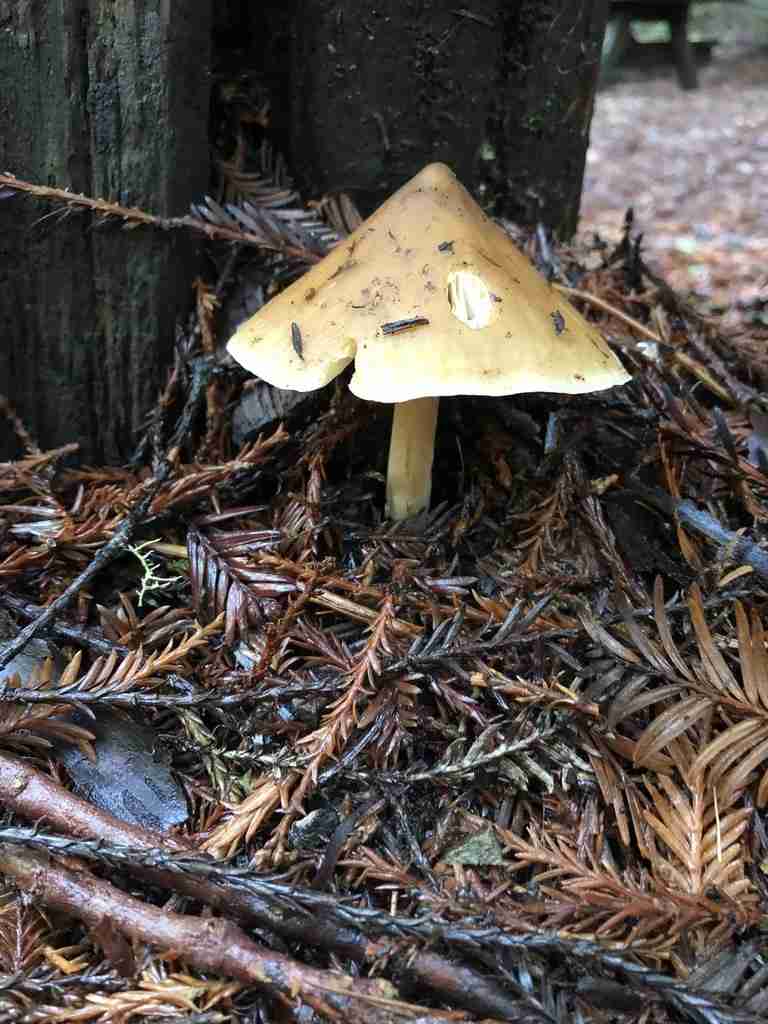
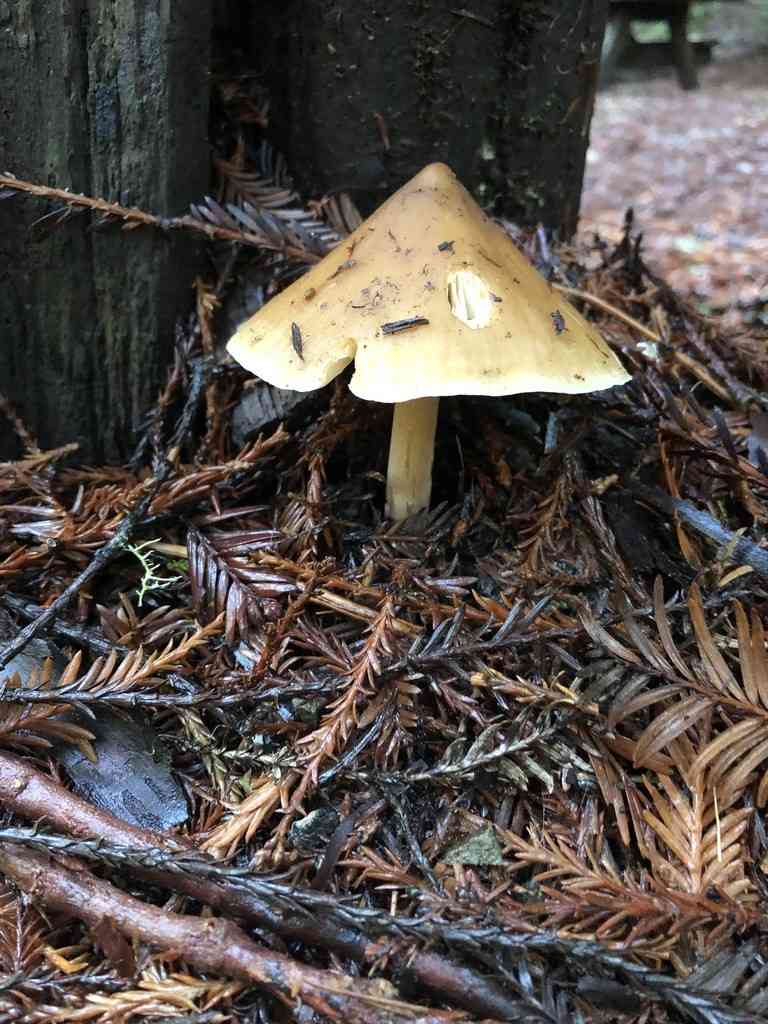
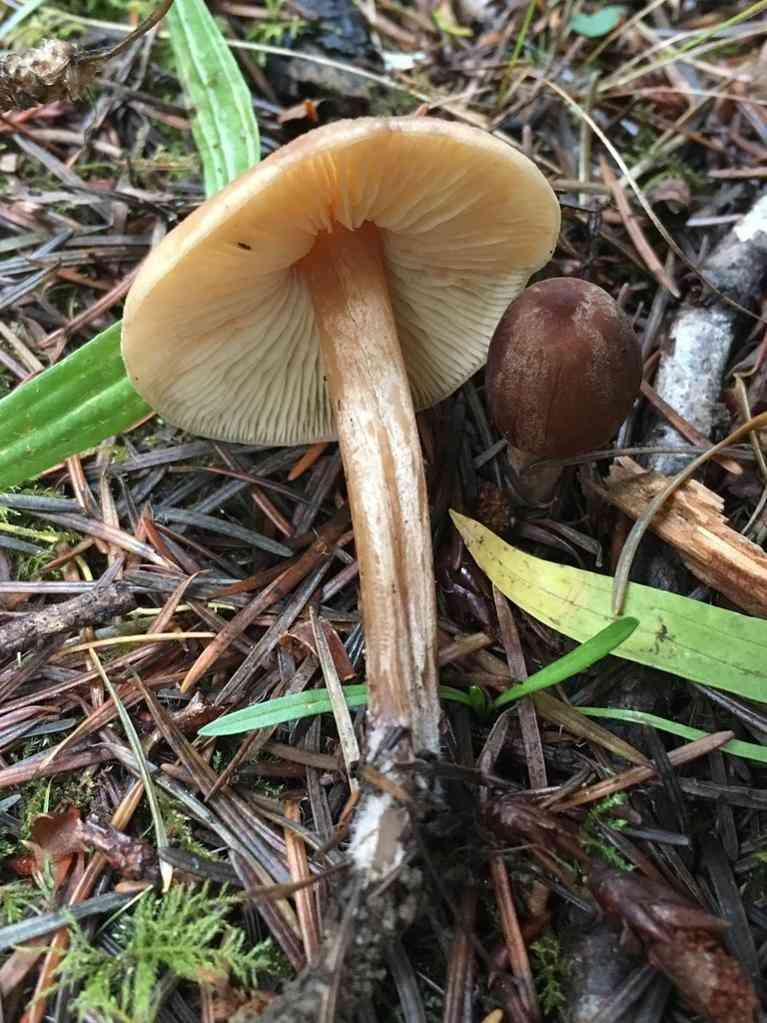
The unique name of the redwood rooter mushroom offers significant insight into its ecological background. The term rooter points to one of its distinctive features: an elongated, taproot-like appendage that descends from its stem deep into the substrate. The redwood part of its name highlights its typical association with Redwood trees. Consequently, this species' distribution is restricted to the redwood regions, primarily Northern California. It is also important to note that this mushroom is not considered edible.
In This Article
Attributes of Redwood rooter
Cap Diameter
4 - 16 cm
Height
6 - 16 cm
Cap
Cap 3 - 17 cm across; conical, bell-shaped, broadly bell-shaped; dark brown to reddish brown, tan, yellowish brown; surface smooth
Cap Shape
Bell-shaped, Central Bump
Cap Surfaces
Smooth, Slimy or slightly sticky
Gills
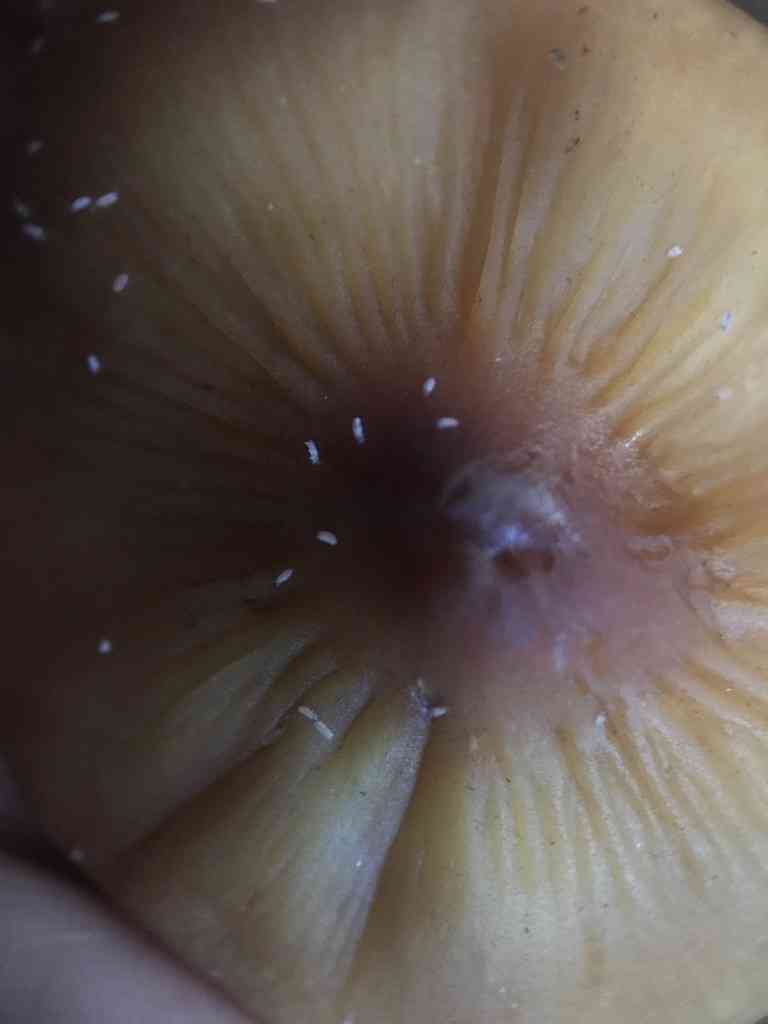
Attached, free; close; whitish; discoloring yellowish to pinkish or brownish
Gill Attachment
Notched
Stem
Stem 5 - 15 cm long, 1.5 cm thick; tapering to apex; whitish, dirty yellowish, tan; tough; surface smooth
Stem Shapes
Cylindrical
Stem Surfaces
Smooth
Flesh
Thin; whitish
Ring
Ringless
Spore Print Color
White
Odor
Mild, typical mushroom smell, non-distinctive.
Body Color
BrownYellowRed
Flesh Bruises
The flesh or milk does not discolor when bruised or cut.
Growth Form
Solitary, Scattered, Gregarious
Nutrient Gathering
Saprophytic
Substrate
Wood Chips or Mulch, On soil
You can find Redwood rooter by these plants
Coast redwood
Occurence Habitats
Coniferous Woodland
Species Status
Exceedingly common
Endangered Species
No
Scientific Classification of Redwood rooter
Phylum
Club fungi
Class
Mushroom-forming fungi
Order
Gilled fungi
Family
Pale-spore mushrooms
Genus
Caulorhiza
Toxicity and Edibility of Redwood rooter
Is Redwood rooter Toxic?
Toxicity information is not available for this mushroom. Always consult with an expert before consuming any wild mushrooms.

