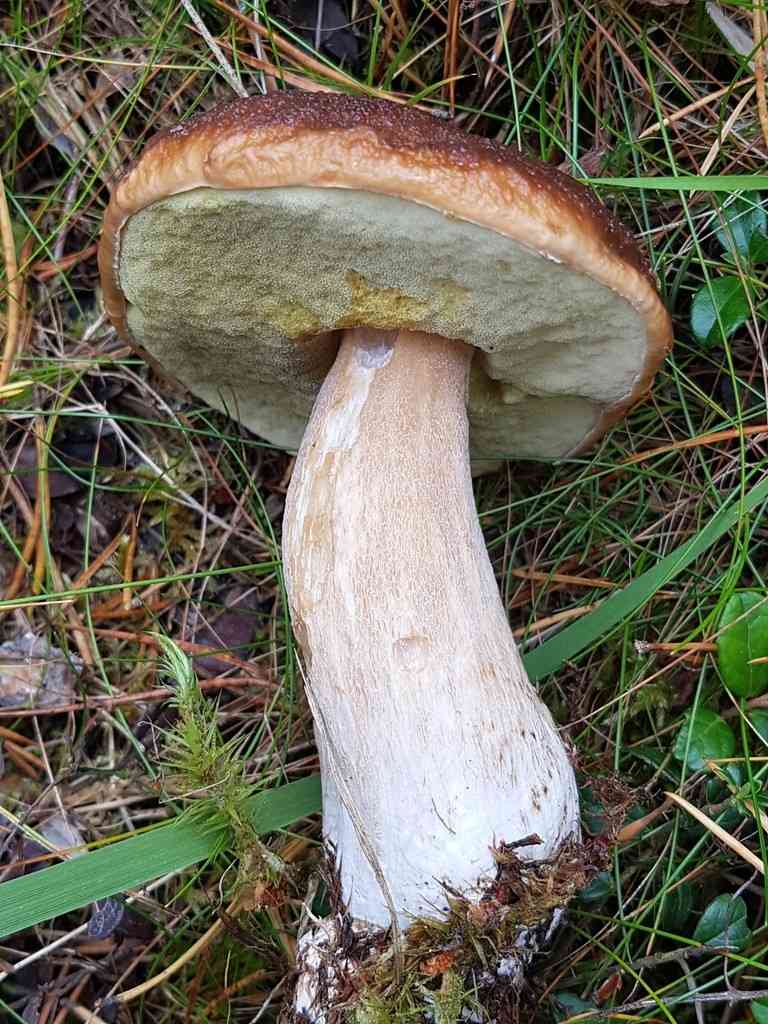
Pine bolete
Boletus pinophilus
A species of Boletus.
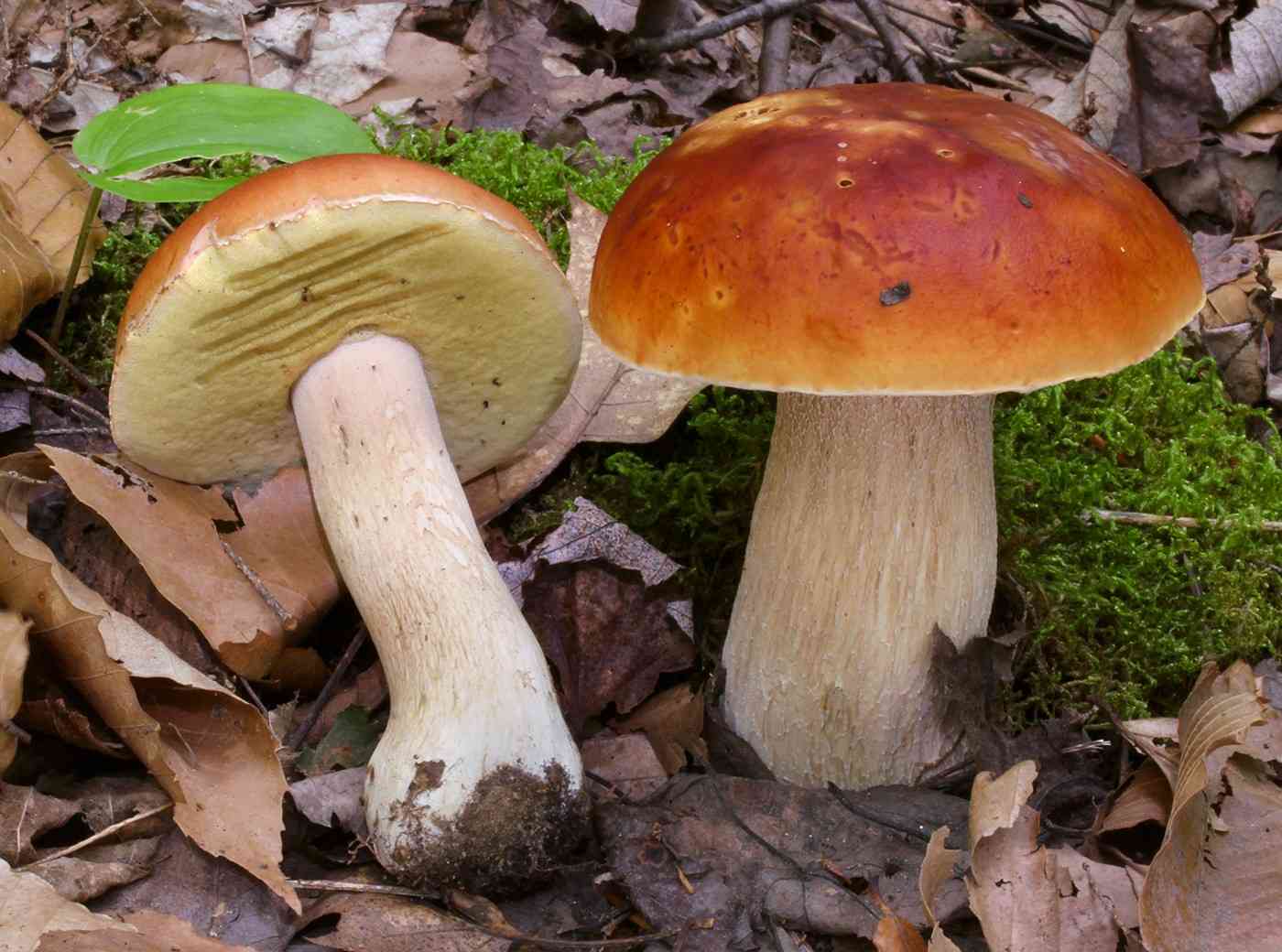
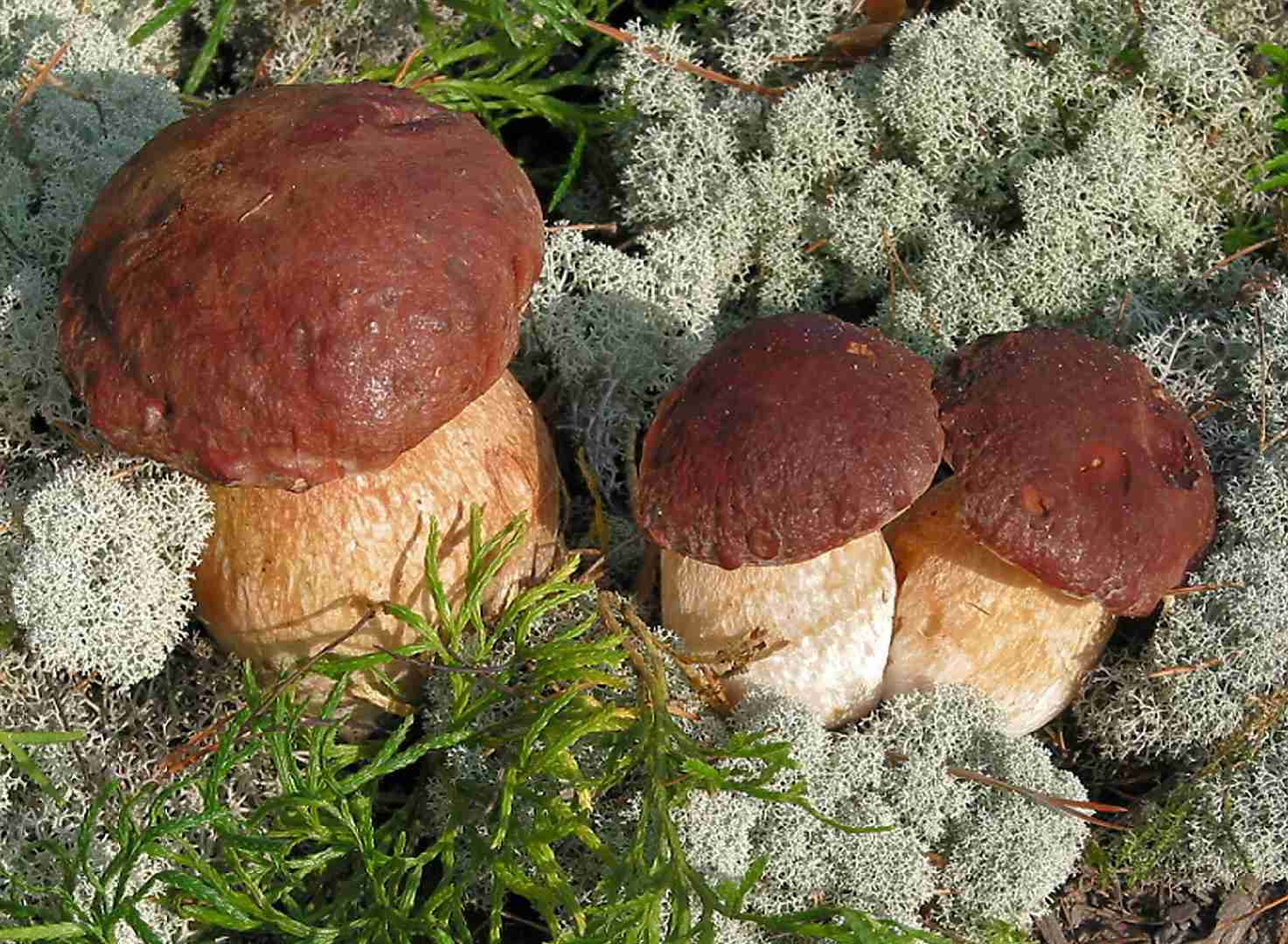
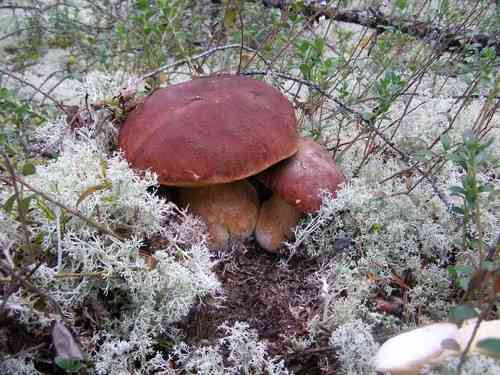
The pine bolete earned its name due to the robust symbiotic relationship it shares with various types of pine trees. Therefore, spotting species like stone pine or Corsican pine in coniferous forests often indicates the presence of pine bolete flourishing below them. This sizable mushroom is easily recognized by its notably swollen stem.
In This Article
Attributes of Pine bolete
Cap Diameter
7 - 22 cm
Height
8 - 15 cm
Cap
Cap 10 - 30 cm at maturity; convex to nearly flat; brown, red
Cap Shape
Convex, Flat
Cap Surfaces
Smooth, Slimy or slightly sticky
Stem
Stem 10 - 18 cm long; 3 - 8 cm thick; swollen and club-shaped, equal; white or pale brownish
Stem Shapes
Club Shaped
Stem Surfaces
With Reticulum
Flesh
Solid; white; unchanging or turning pinkish when sliced
Ring
Ringless
Spore Print Color
Olive brown
Odor
Pleasant, strong, reminiscent of typical mushrooms.
Body Color
BrownRedWhite
Flesh Bruises
The flesh or milk does not discolor when bruised or cut.
Growth Form
Scattered, Gregarious
Nutrient Gathering
Mycorrhizal
Substrate
On soil
You can find Pine bolete by these plants
Pines, Spruces, Oaks, Firs
Occurence Habitats
Coniferous Woodland
Species Status
Least Concern
Endangered Species
No
Scientific Classification of Pine bolete
Phylum
Club fungi
Class
Mushroom-forming fungi
Order
Boletes and allies
Family
Boletes
Genus
Boletus
Toxicity and Edibility of Pine bolete
Is Pine bolete Toxic?
Toxicity information is not available for this mushroom. Always consult with an expert before consuming any wild mushrooms.