Boletus luridellus
Boletus luridellus
A species of Boletus.
Boletus luridellus primarily forms associations with oak trees. When its flesh is cut or bruised, it exhibits a pronounced blue or purple discoloration. Research has indicated that Boletus luridellus aids the development of oak seedlings in controlled greenhouse environments, particularly beneficial in arid regions such as Mexico where the trees naturally face greater challenges. The name Luridellus denotes a dull yellow or muddy brown hue.
In This Article
Attributes of Boletus luridellus
Cap Diameter
4 - 12 cm
Cap
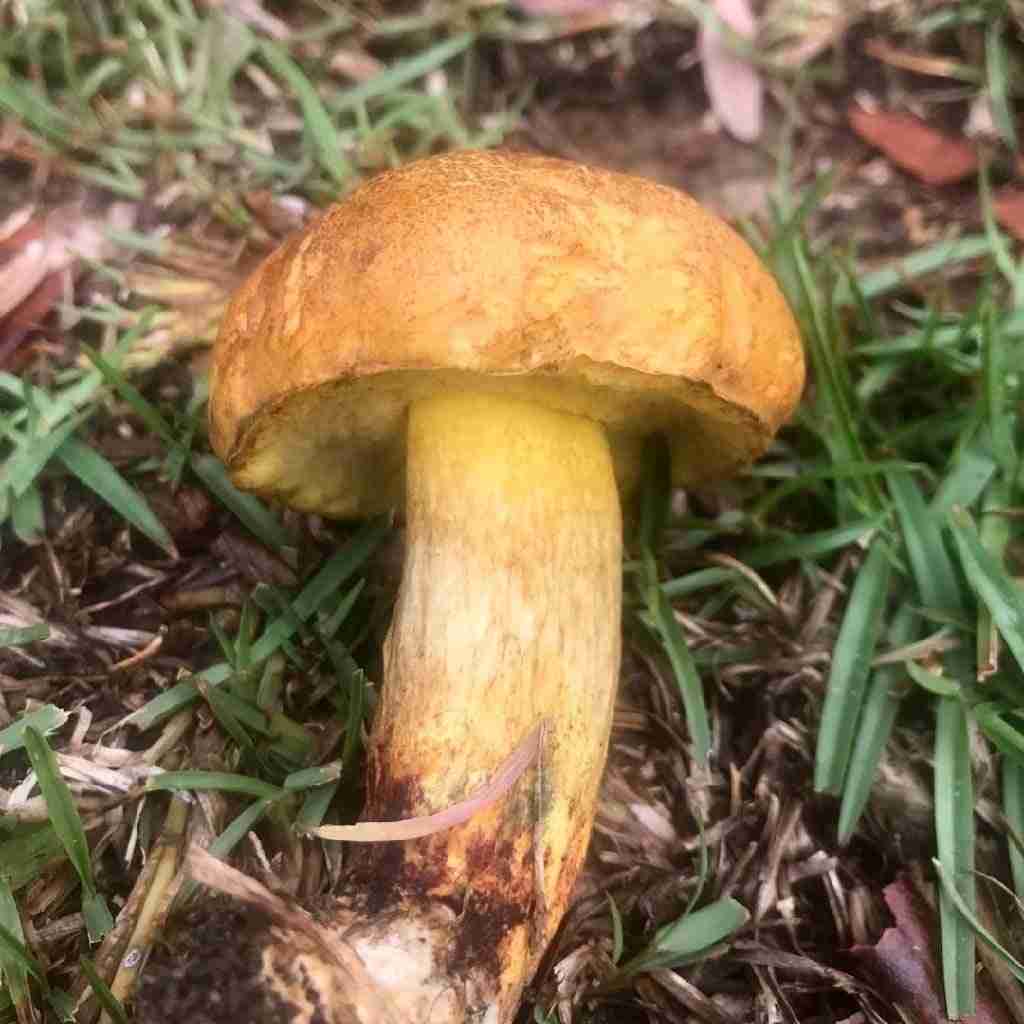
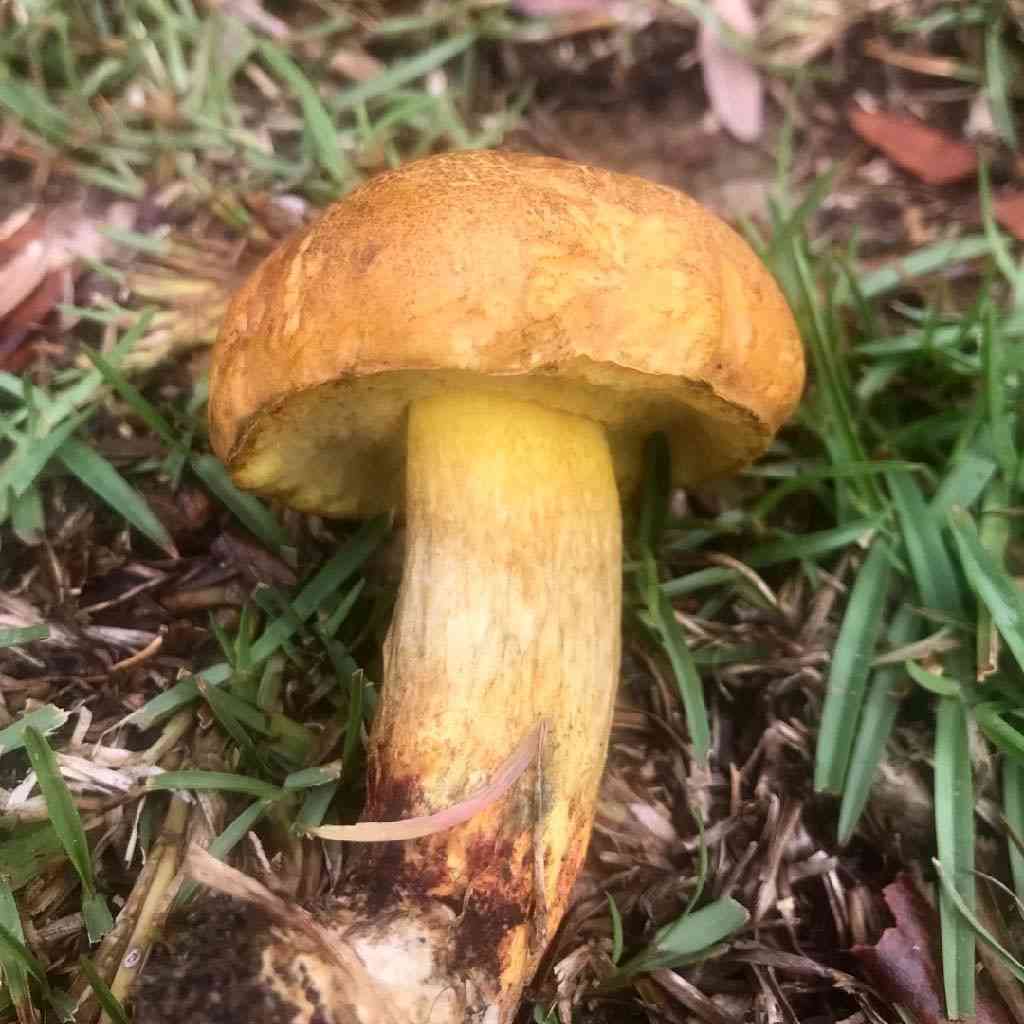
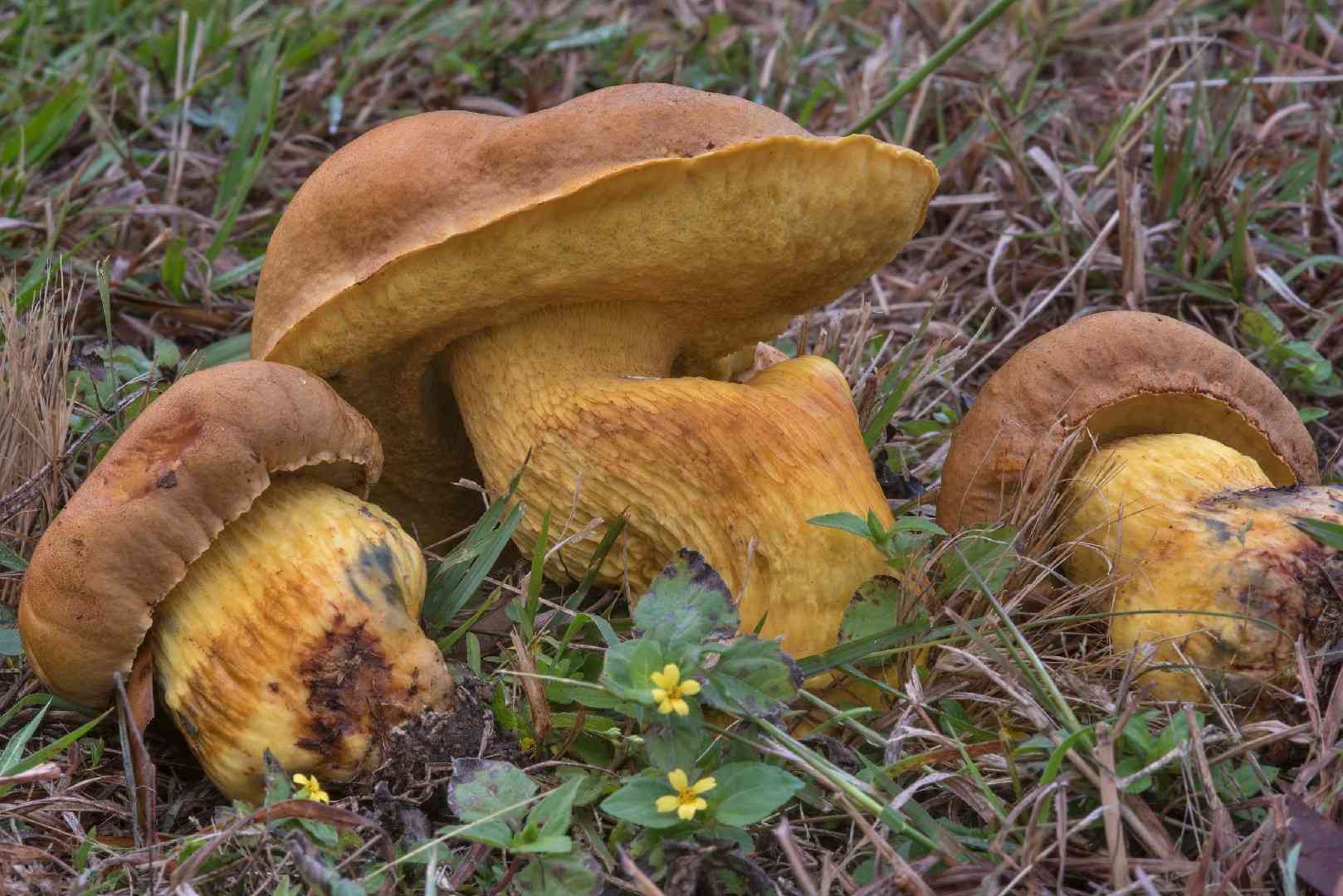
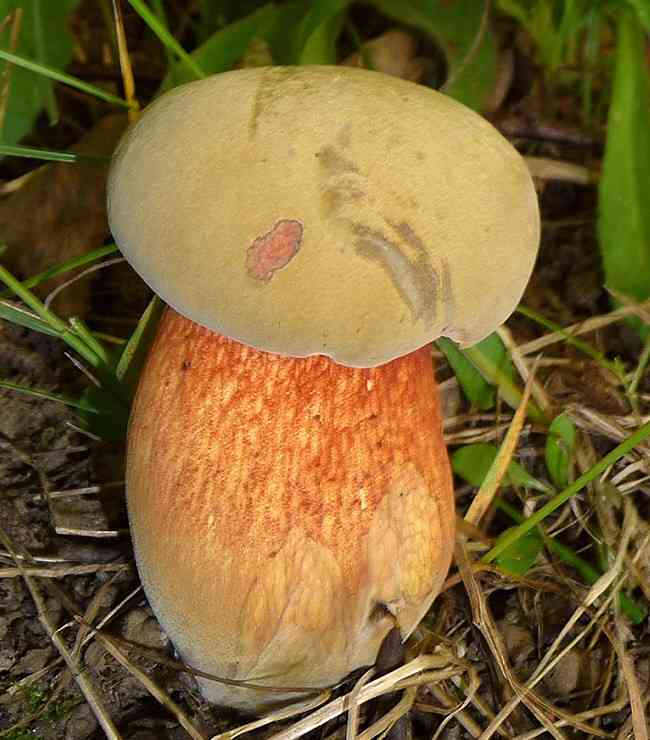
Cap 4 - 12 cm wide; broadly convex to nearly plane; yellow brown; pulvinate, surface dry; margin with projecting sterile portion
Stem
Nearly equal; solid; yellow above, dark red to brownish red below; display blue quickly when handled or bruised
Flesh
Yellow down to a red base; quickly staining blue when exposed
Spore Print Color
Olive brown
Odor
Mildly mushroomy but not distinctive.
Body Color
BrownYellowRed
Flesh Bruises
Discolor to blue
Growth Form
Solitary, Scattered
Nutrient Gathering
Mycorrhizal
Substrate
On soil
You can find Boletus luridellus by these plants
Spruces, Oaks, Pines
Species Status
Occasional
Scientific Classification of Boletus luridellus
Phylum
Club fungi
Class
Mushroom-forming fungi
Order
Boletes and allies
Family
Boletes
Genus
Boletus
Toxicity and Edibility of Boletus luridellus
Is Boletus luridellus Toxic?
Toxicity information is not available for this mushroom. Always consult with an expert before consuming any wild mushrooms.

