Rusty bolete
Boletus ferrugineus
A species of Boletus.
The Rusty bolete is easily recognized by its distinctive ribbed stalk and soft, velvety cap, especially prominent in younger specimens. It commonly forms a mutualistic association with spruce trees and various other conifers. Notably, unlike some related species, its flesh does not exhibit a blue discoloration upon being cut or damaged.
In This Article
Attributes of Rusty bolete
Cap Diameter
3 - 12 cm
Height
8 - 15 cm
Cap
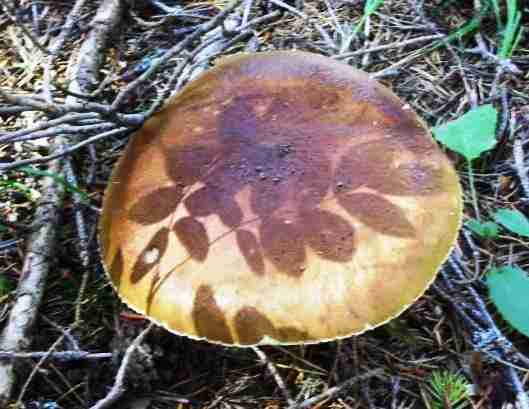
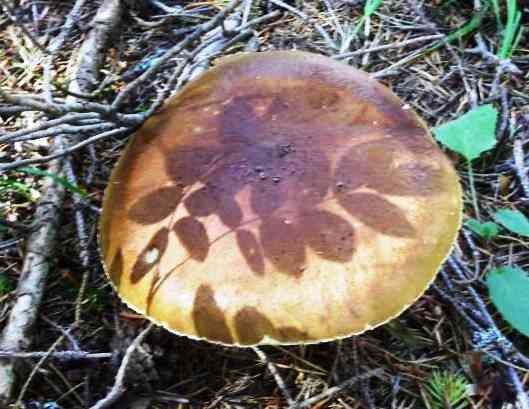
Cap 5 - 11 cm across; convex; dark olive, yellow-brown, reddish-brown; surface smooth, woolly, cracked
Cap Shape
Convex, Flat
Cap Surfaces
Velvety
Stem
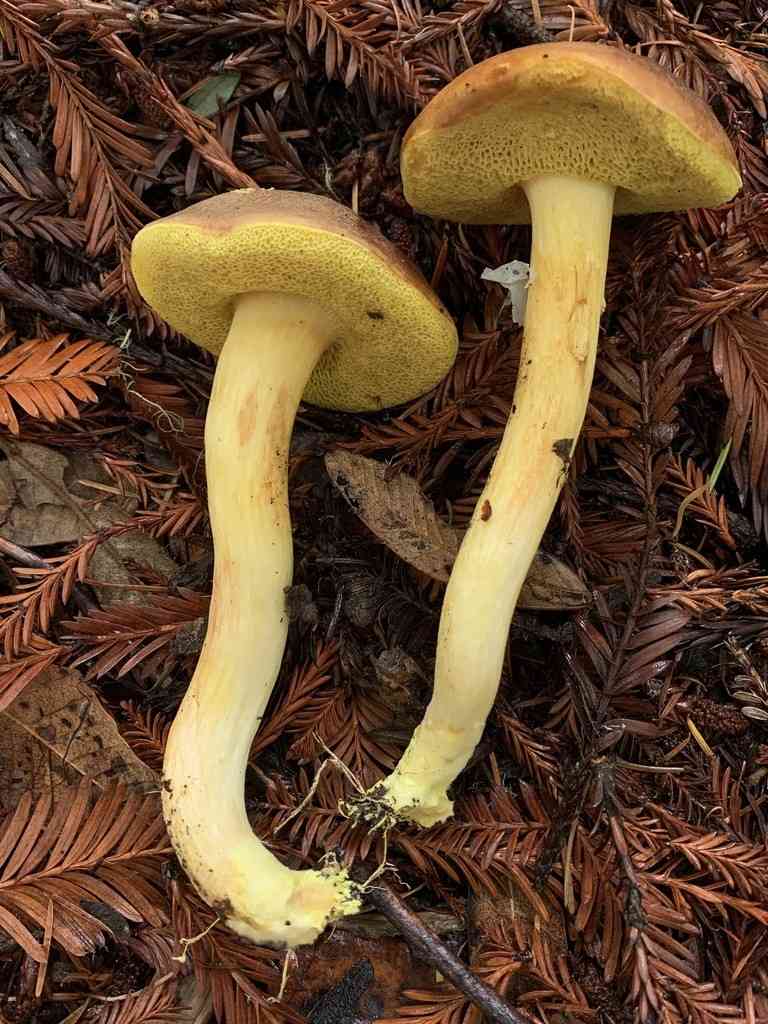
Stem 4 - 10 cm long, 1 - 2.5 cm thick; pale sordid yellow, yellowish-tan; surface with dots
Stem Shapes
Cylindrical
Flesh
Pale yellow with red line
Ring
Ringless
Spore Print Color
Olive brown
Odor
Mildly mushroomy and somewhat pleasant.
Body Color
BrownGreenYellowRed
Flesh Bruises
Discolor to blue
Growth Form
Solitary, Scattered
Nutrient Gathering
Mycorrhizal
Substrate
On soil
You can find Rusty bolete by these plants
Pines, Oaks
Species Status
Widespread
Endangered Species
No
Scientific Classification of Rusty bolete
Phylum
Club fungi
Class
Mushroom-forming fungi
Order
Boletes and allies
Family
Boletes
Genus
Boletus
Toxicity and Edibility of Rusty bolete
Is Rusty bolete Toxic?
Toxicity information is not available for this mushroom. Always consult with an expert before consuming any wild mushrooms.

