Bolbitius coprophilus
Bolbitius coprophilus
A species of Bolbitius.
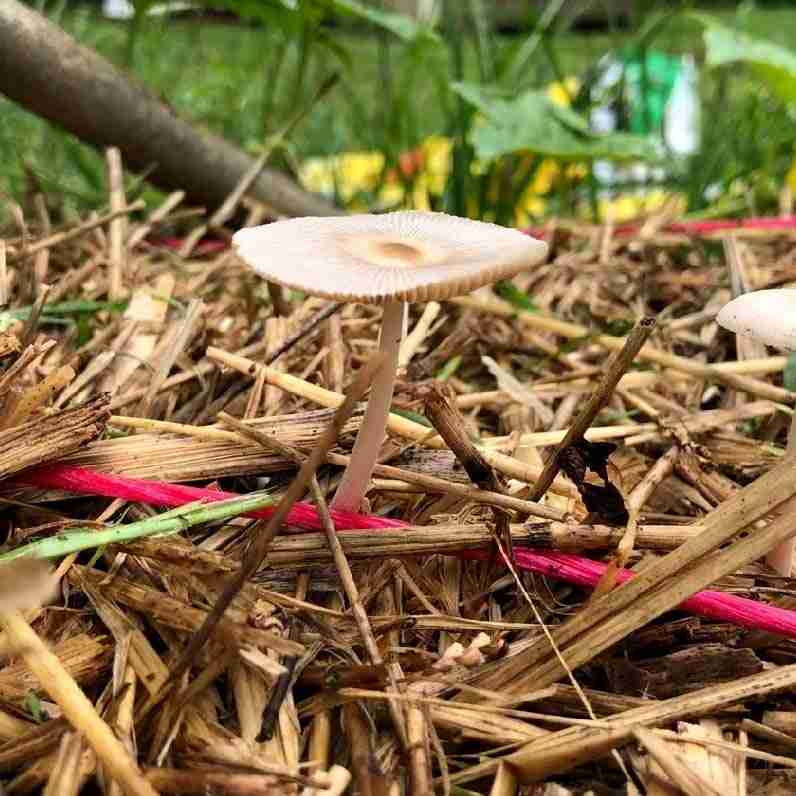
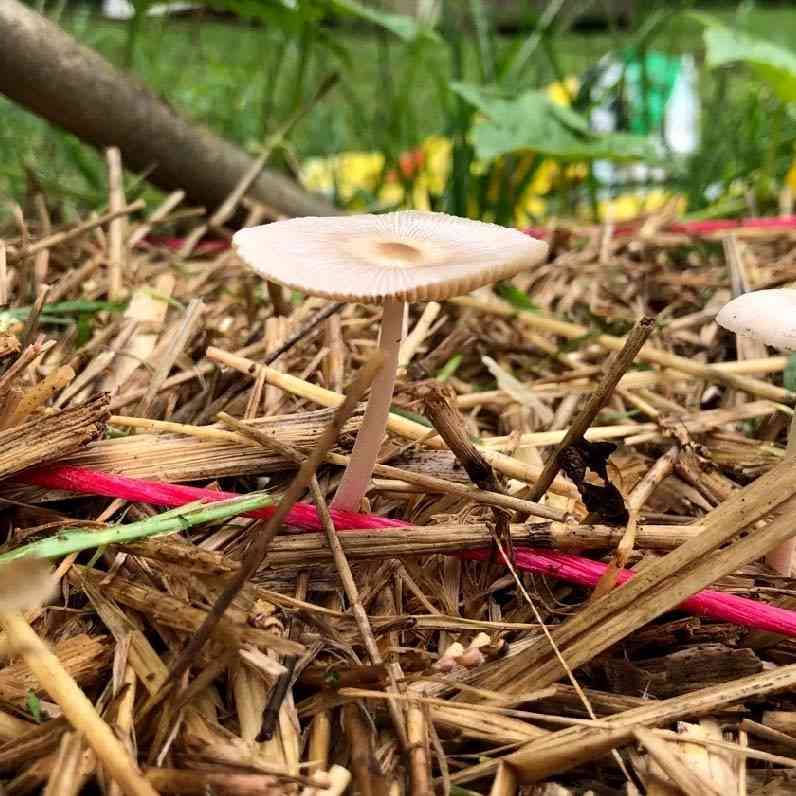
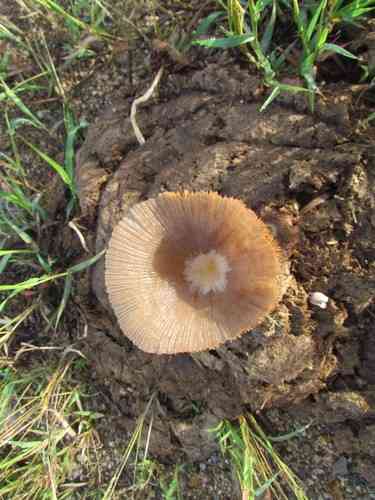
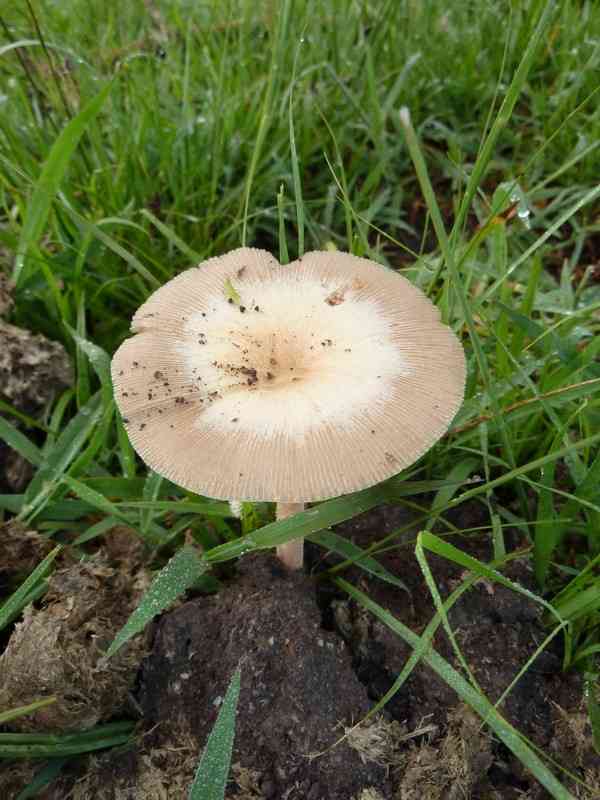
Bolbitius coprophilus generally prospers in manure, its primary source of nourishment, preferring temperate, verdant environments. This diminutive, ephemeral fungus experiences a fleeting lifespan, rapidly appearing and reaching maturity before decay. It possesses a swiftly deliquescing pileus that transitions from yellow to a more diaphanous state with time, leaving behind a delicate, attenuated stipe.
In This Article
Attributes of Bolbitius coprophilus
Cap Diameter
1 - 5 cm
Height
2 - 4 cm
Cap
Cap 1 - 6 cm across; beige to greyish, pink, reddish; surface smooth
Cap Shape
Convex, Central Bump
Cap Surfaces
Slimy or slightly sticky, Visible lines or stripes
Gills
Free; close; whitish to orange brown to cinnamon
Gill Attachment
Attached
Stem
Stem 2 - 4 cm long, 2 - 4 mm thick; whitish, ochraceous
Stem Shapes
Cylindrical
Flesh
Thin; fragile
Ring
Ringless
Spore Print Color
Reddish brown
Odor
Mildly pleasant, not strongly scented.
Body Color
BrownGrayWhitePinkCream
Flesh Bruises
The flesh or milk does not discolor when bruised or cut.
Growth Form
Scattered, Gregarious
Nutrient Gathering
Saprophytic
Substrate
On animal dung
You can find Bolbitius coprophilus by these plants
Lindens
Species Status
Rare but widespread
Endangered Species
No
Scientific Classification of Bolbitius coprophilus
Phylum
Club fungi
Class
Mushroom-forming fungi
Order
Gilled fungi
Family
Bolbitiaceae
Genus
Bolbitius
Toxicity and Edibility of Bolbitius coprophilus
Is Bolbitius coprophilus Toxic?
Toxicity information is not available for this mushroom. Always consult with an expert before consuming any wild mushrooms.

