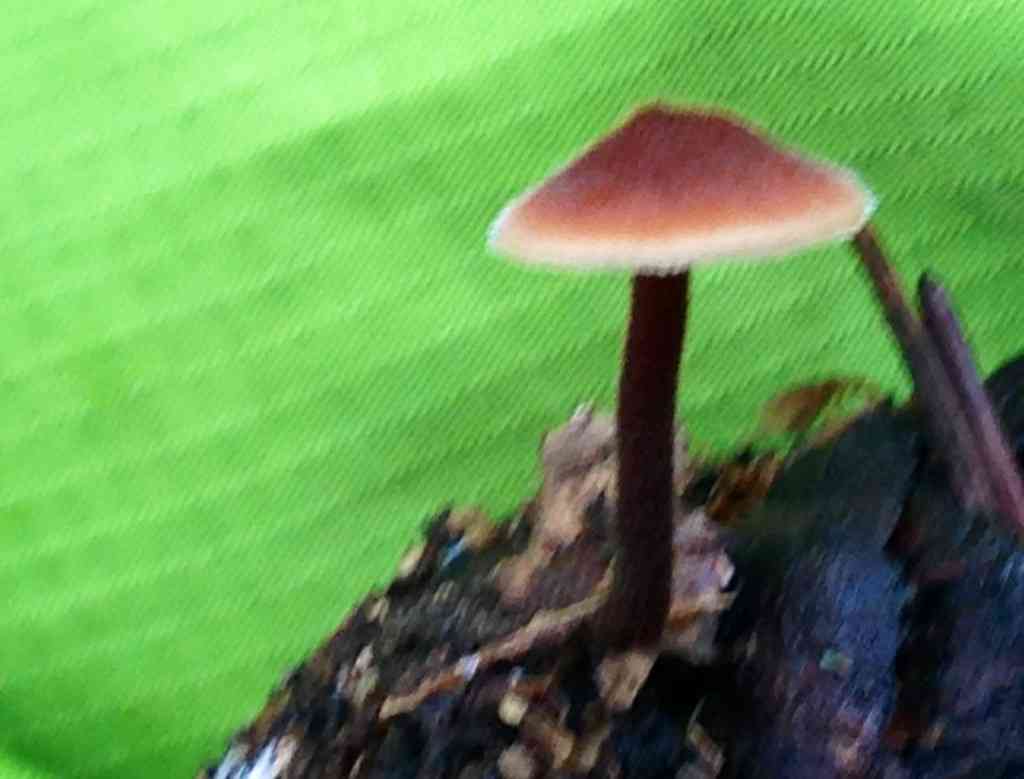
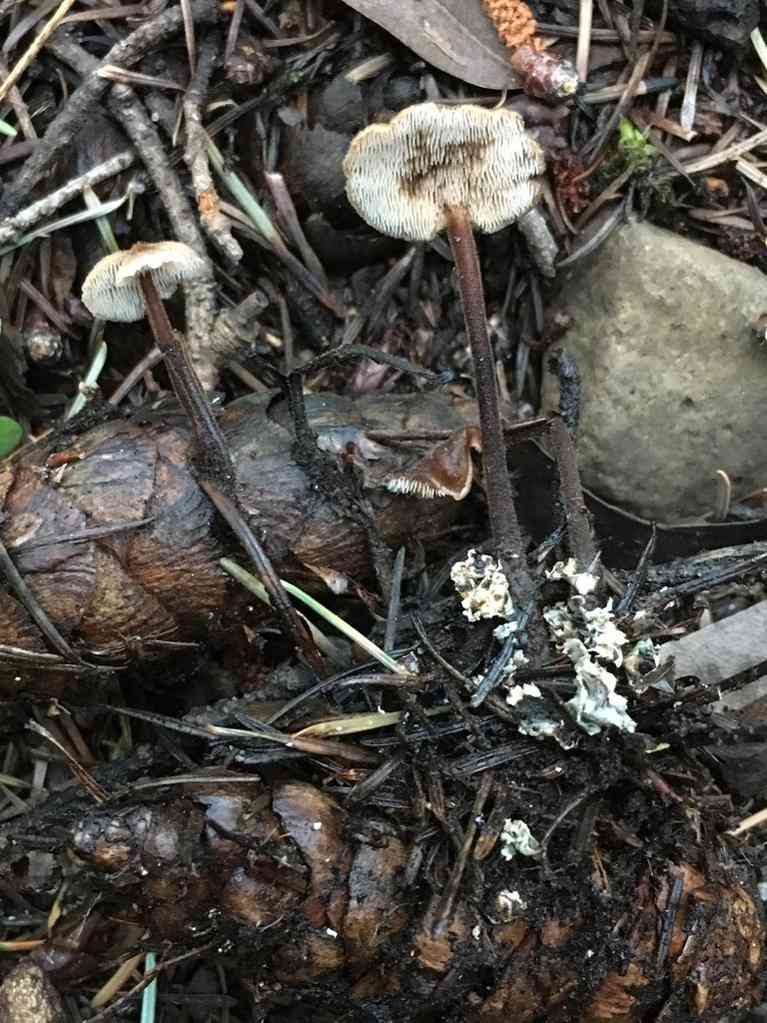
Pinecone mushroom
Auriscalpium vulgare
A species of Auriscalpium. Also known as Earpick fungus, Ear-spoon fungus.
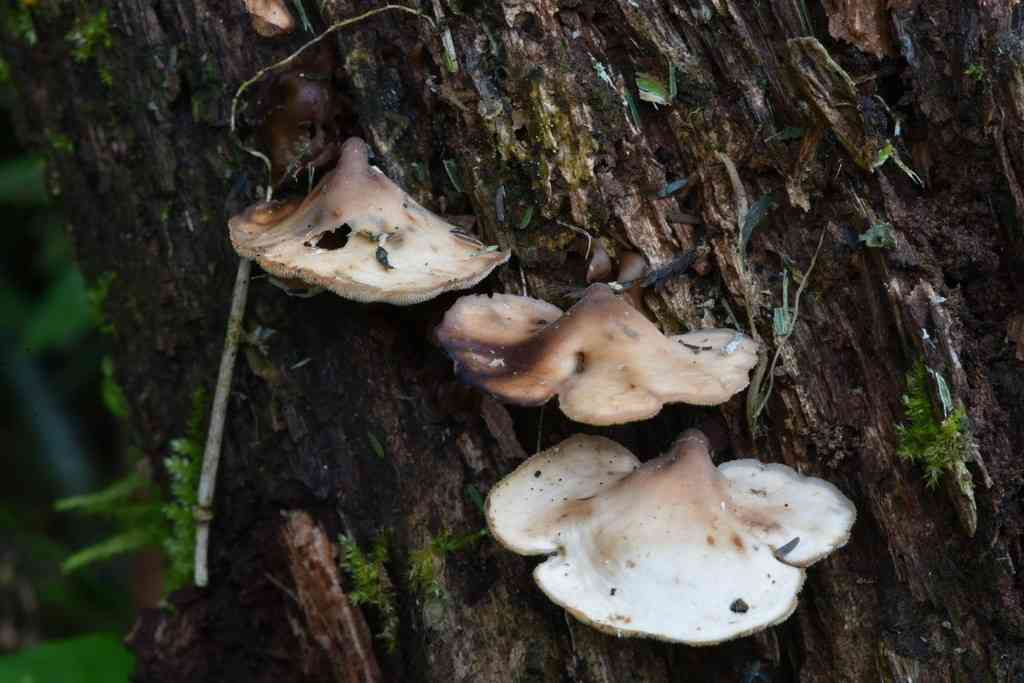
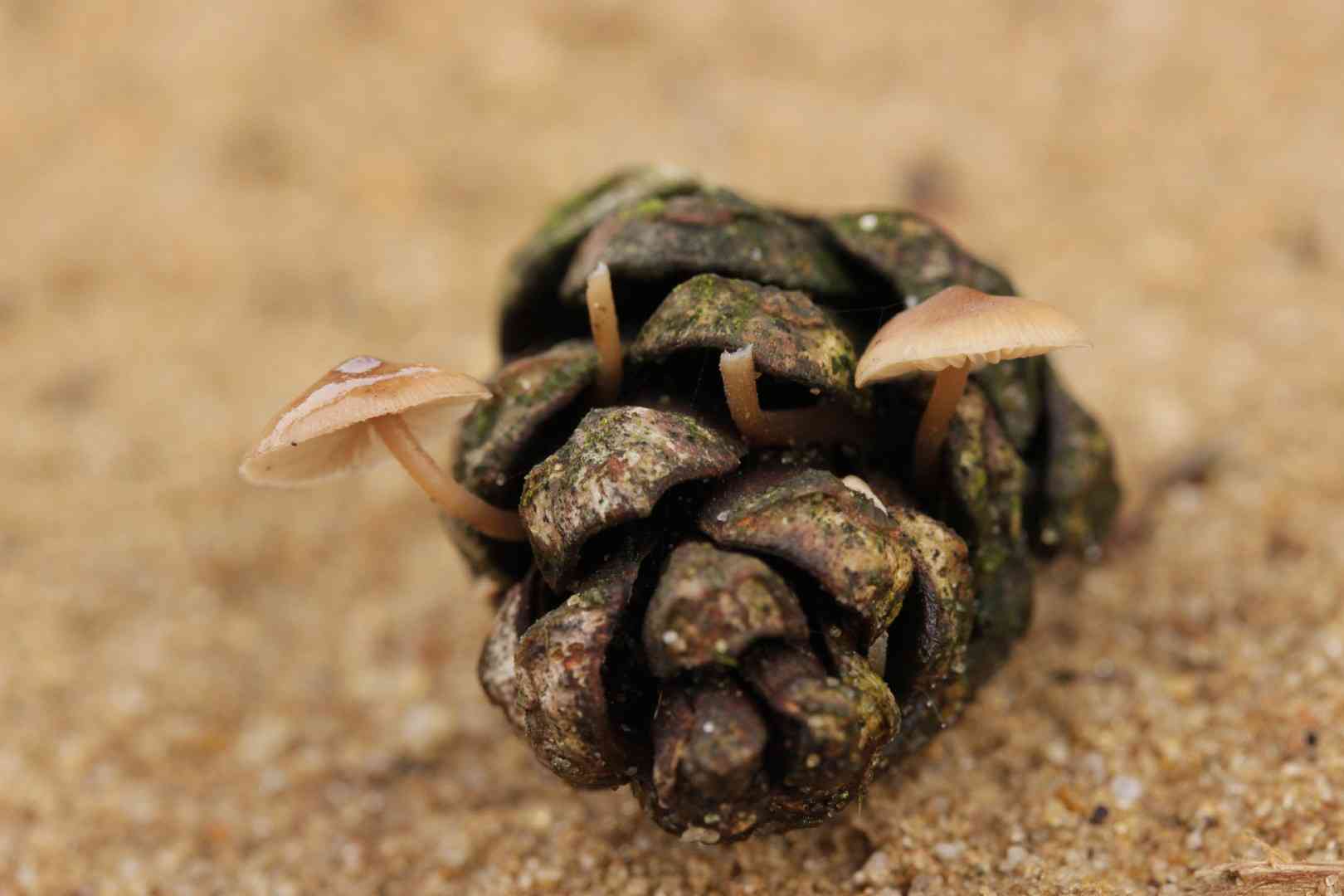
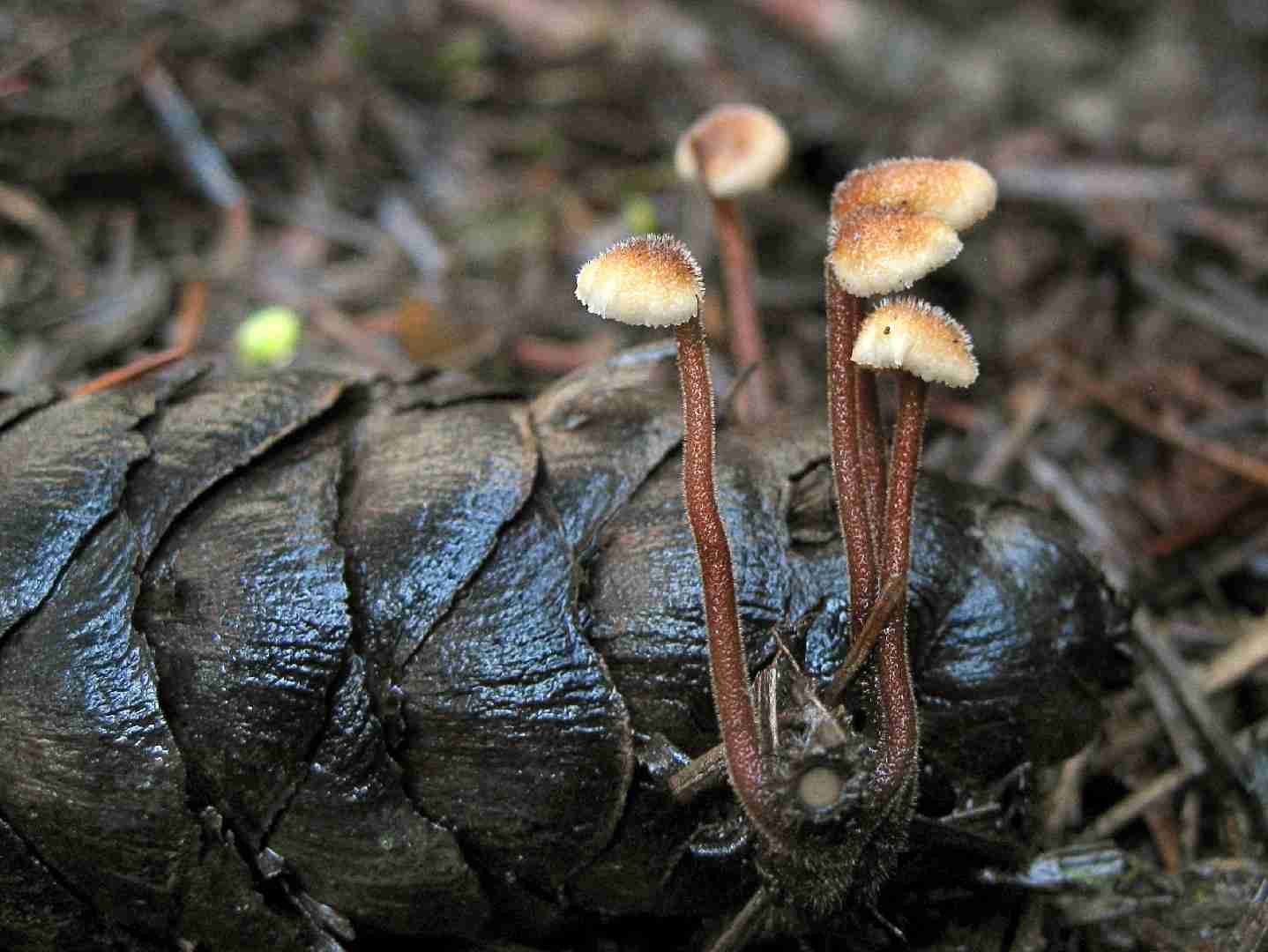
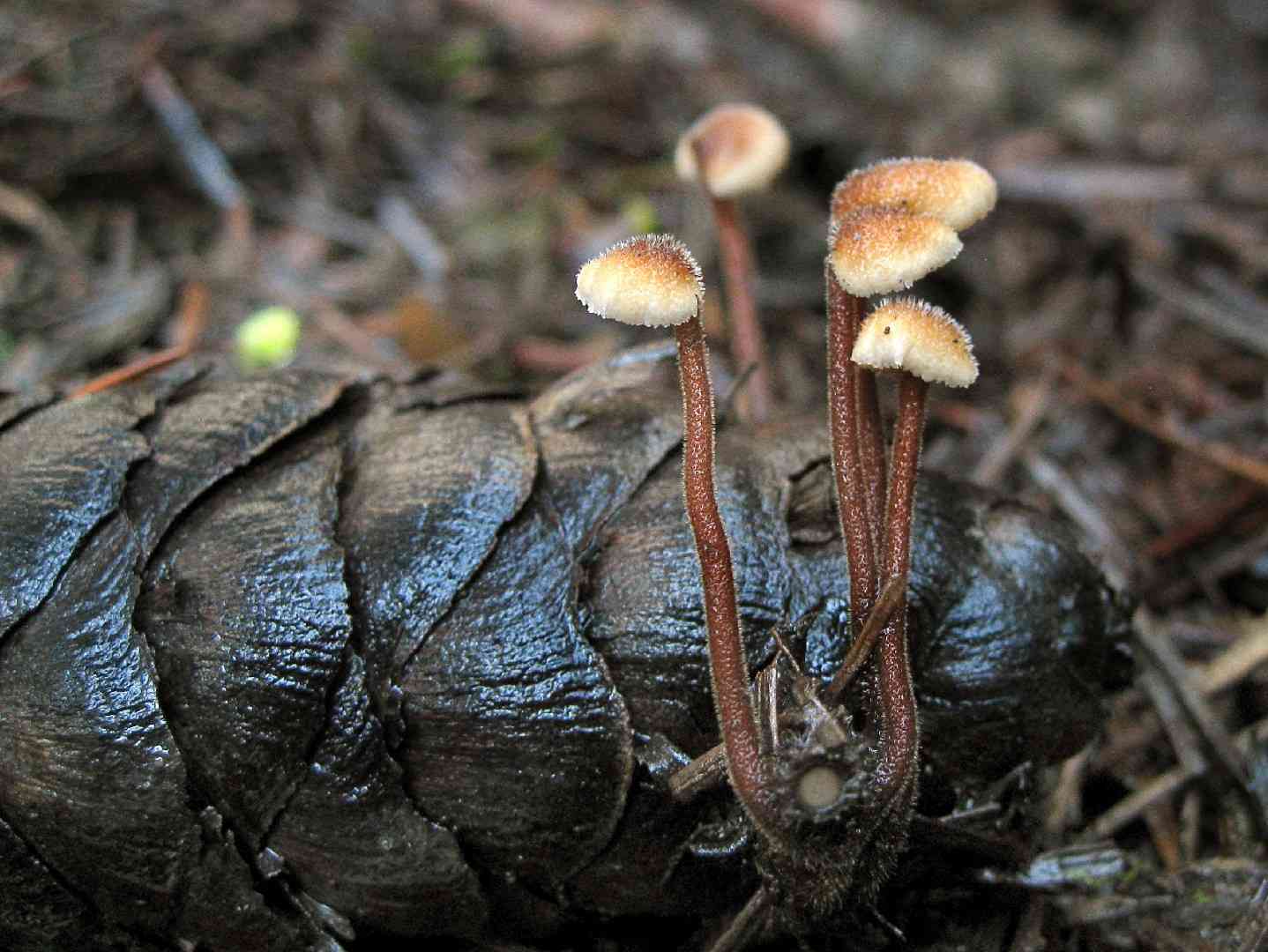
The conifer-loving Pinecone mushroom (Auriscalpium vulgare) is frequently found emerging from conifers, their detritus, and even fallen pinecones. Linnaeus himself observed its distinctive look, characterized by a cap that is initially bristly and later develops spines up to three millimeters long. This particular species is generally not considered suitable for consumption.
In This Article
Attributes of Pinecone mushroom
Cap Diameter
1 - 3 cm
Height
1 - 2.5 cm
Cap
Cap 1 - 3 cm across; irregular, kidney-shaped; reddish brown; surface velvety to smooth
Cap Shape
Convex, Flat
Cap Surfaces
Fibrillose-scaly
Stem
Stem 2 - 7 cm long, 3 mm thick; brown; tough; with tiny hairs
Stem Shapes
Cylindrical
Stem Surfaces
Smooth to slightly fibrous
Flesh
Thin; tough; whitish to brownish
Ring
Ringless
Spore Print Color
White
Odor
Mildly mushroomy but not distinctive.
Body Color
BrownBlackRed
Flesh Bruises
The flesh or milk does not discolor when bruised or cut.
Growth Form
Solitary, Gregarious
Nutrient Gathering
Saprophytic
Substrate
Cones of Conifers, Leaf or Needle Litter
You can find Pinecone mushroom by these plants
Common douglas-fir, Pines, Scots pine, Spruces
Occurence Habitats
Coniferous Woodland
Species Status
Widely distributed
Endangered Species
No
Scientific Classification of Pinecone mushroom
Phylum
Club fungi
Class
Mushroom-forming fungi
Order
Russulales
Family
Auriscalpiaceae
Genus
Auriscalpium
Toxicity and Edibility of Pinecone mushroom
Is Pinecone mushroom Toxic?
Toxicity information is not available for this mushroom. Always consult with an expert before consuming any wild mushrooms.