Jelly ear
Auricularia delicata
A species of Auricularia.
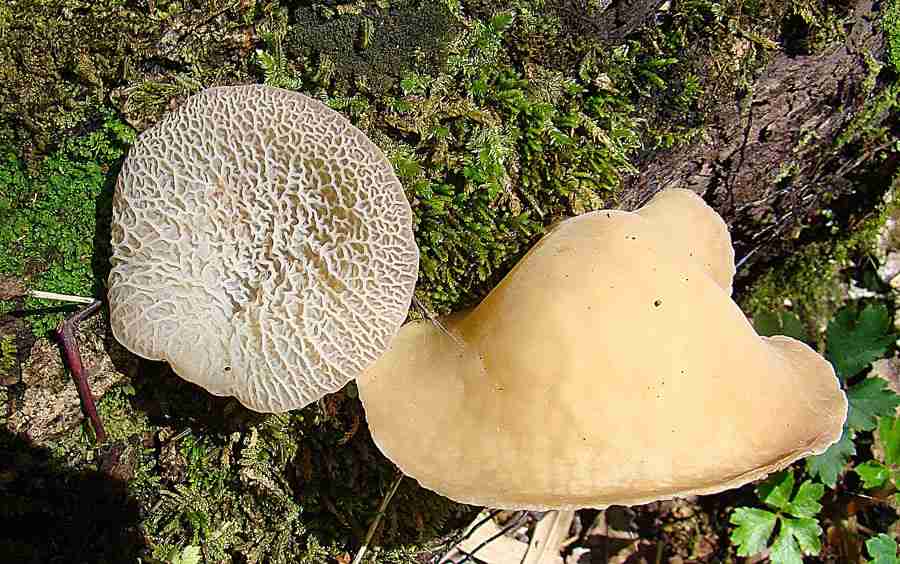
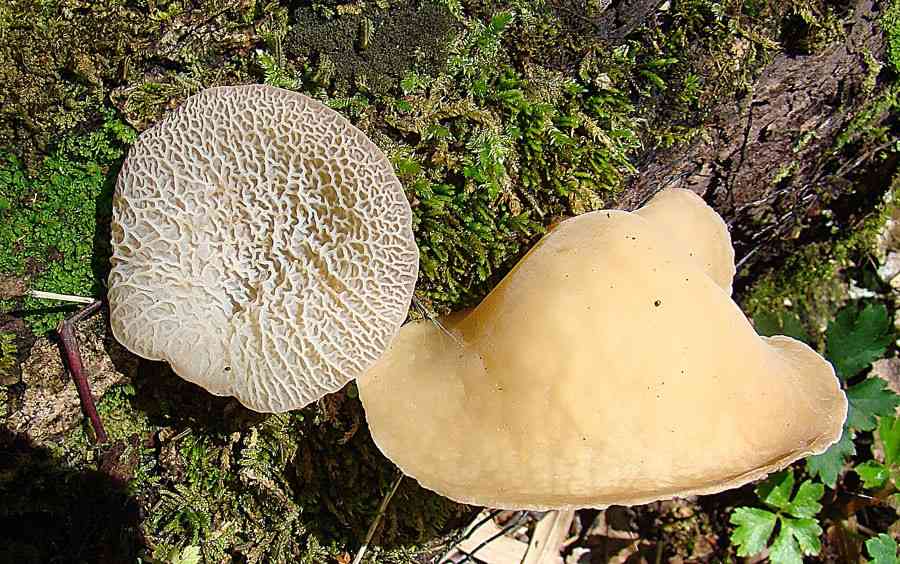
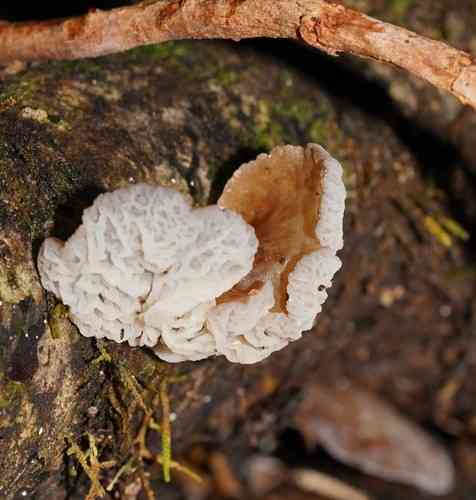
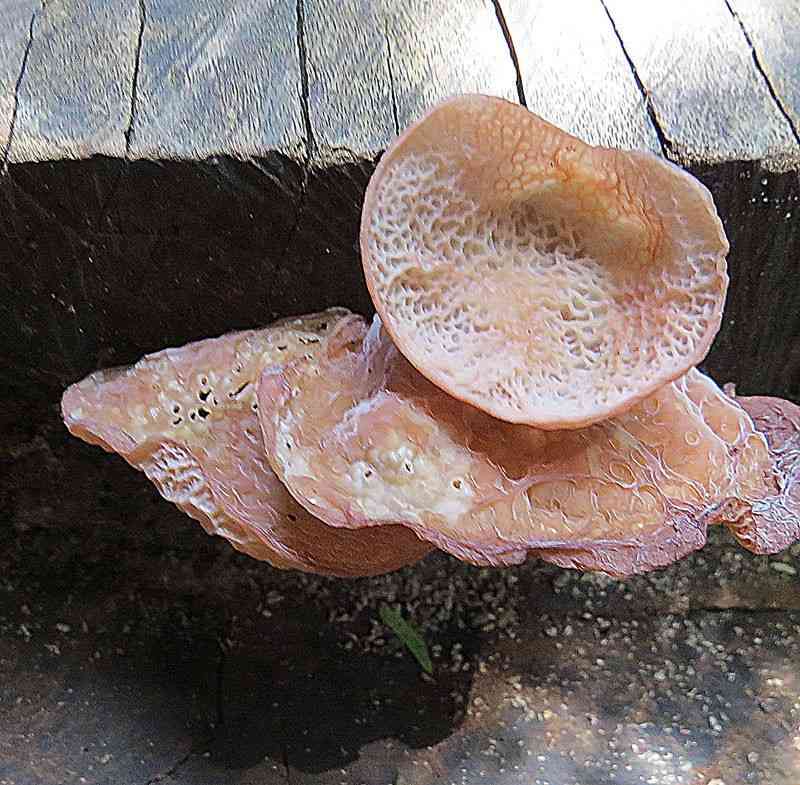
Traditional Neotropical societies made use of the jelly ear fungus. This gelatinous fungus is readily recognizable by the net-like patterns on its cap. It has been found growing on moss on both live trees and fallen branches, where it draws nourishment from decaying organic material.
In This Article
Attributes of Jelly ear
Cap Diameter
1 - 2 mm
Height
1 - 3.5 cm
Cap
Thickness 1 - 2 mm, width 5 - 65 mm; white cream; jelly and gelatin texture; margin wavy
Stem
1 - 3.5 cm; cylindrical, solid
Flesh
Chewy
Spore Print Color
White
Body Color
BrownYellowWhiteOrangeCream
Growth Form
Gregarious, Clustered
Nutrient Gathering
Saprophytic
Substrate
On wood
You can find Jelly ear by these plants
Sambucus , Elder
Species Status
Very commonly found in the tropics
Scientific Classification of Jelly ear
Phylum
Club fungi
Class
Mushroom-forming fungi
Order
Auriculariales
Family
Auriculariaceae
Genus
Auricularia
Toxicity and Edibility of Jelly ear
Is Jelly ear Toxic?
Toxicity information is not available for this mushroom. Always consult with an expert before consuming any wild mushrooms.

