Russell's bolete
Aureoboletus russellii
A species of Aureoboletus.
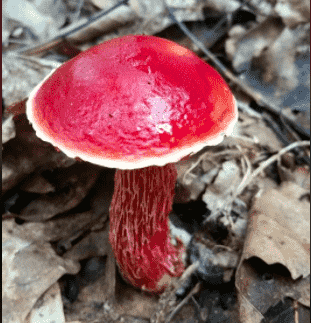
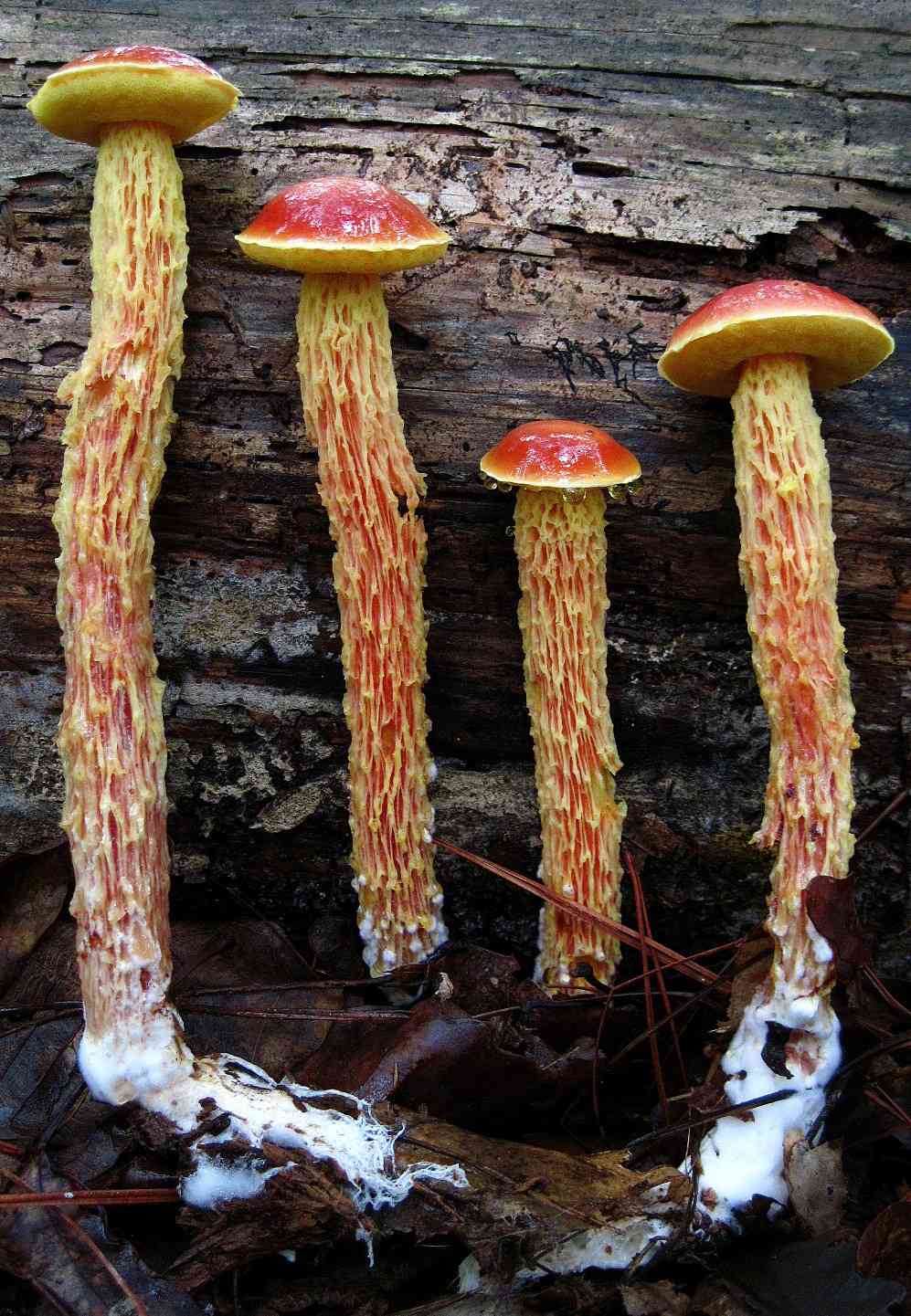
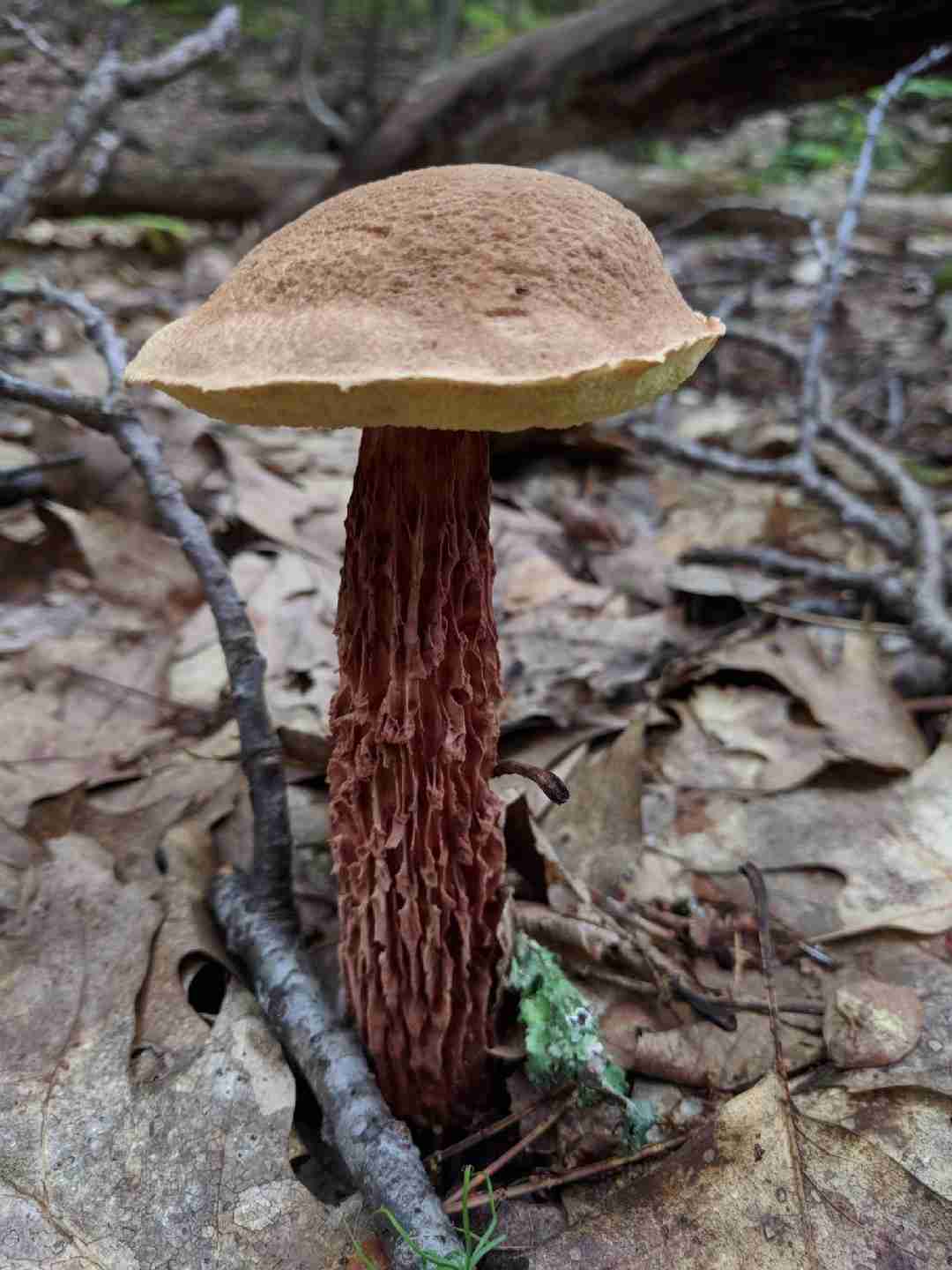
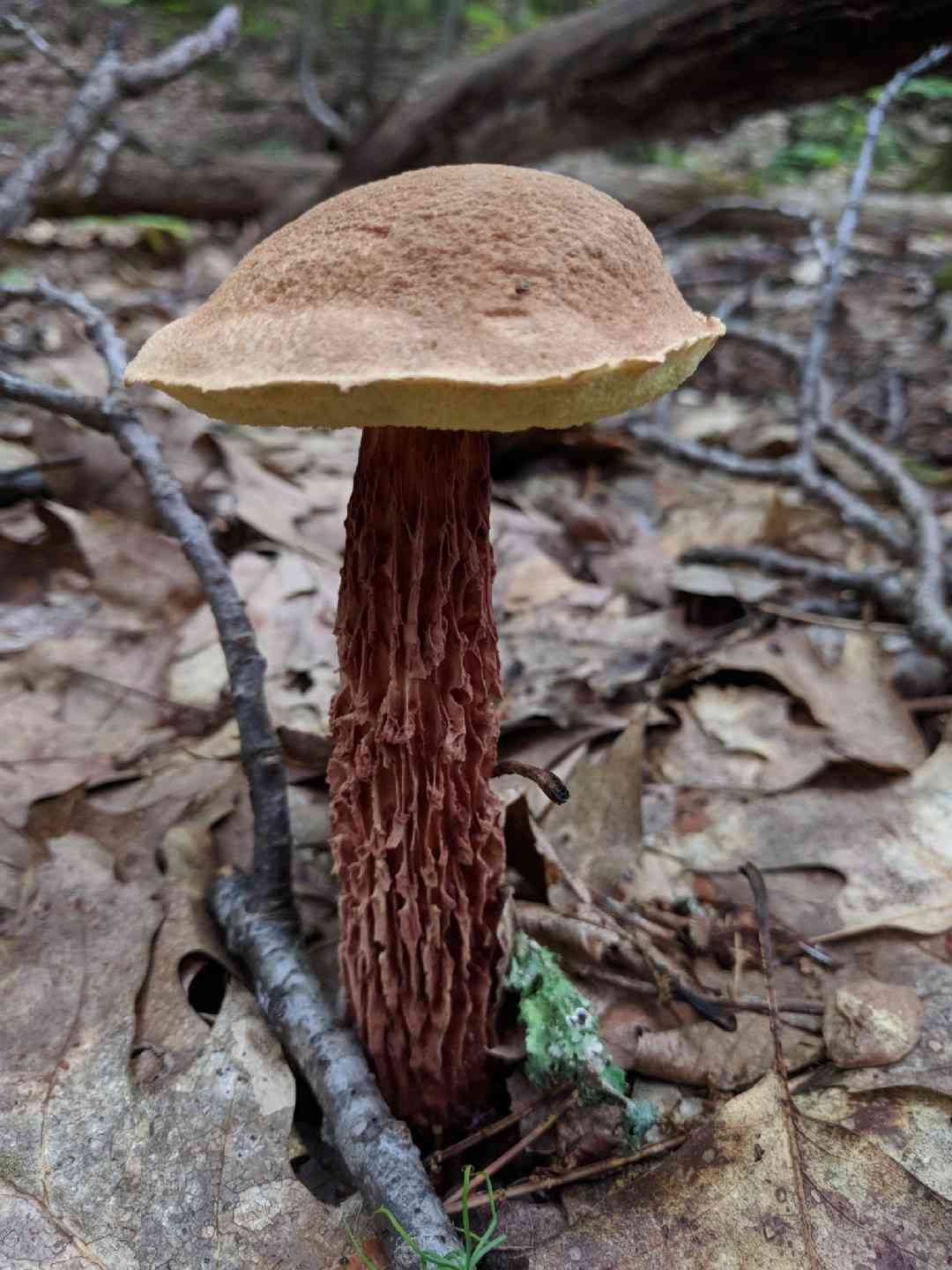
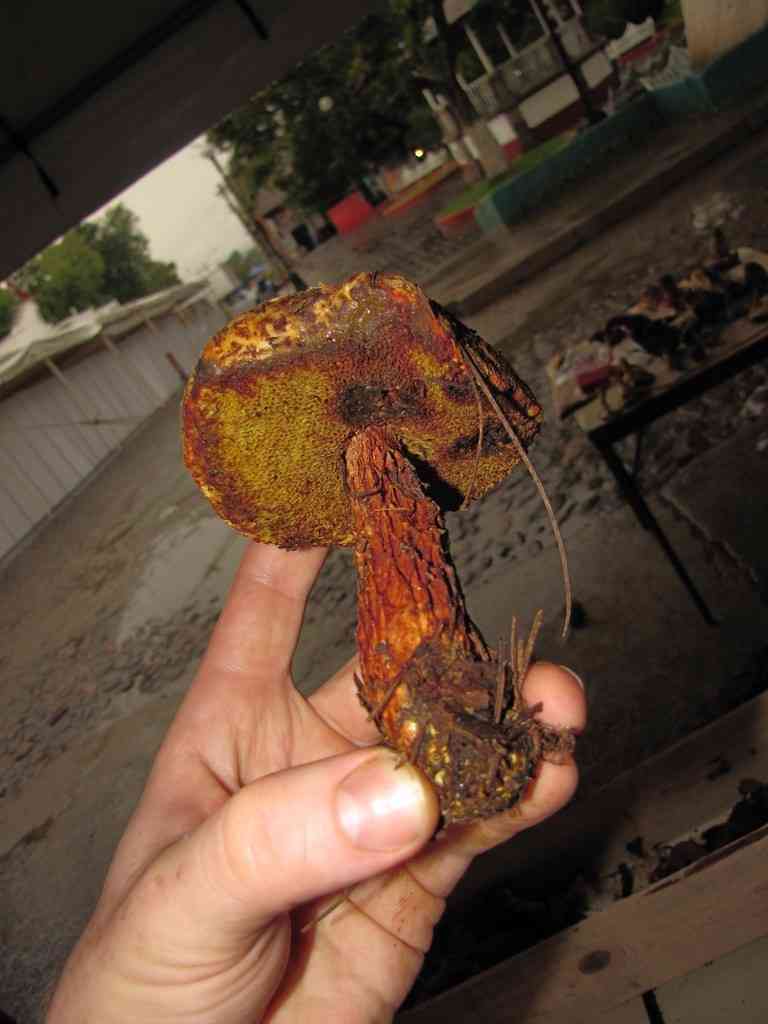
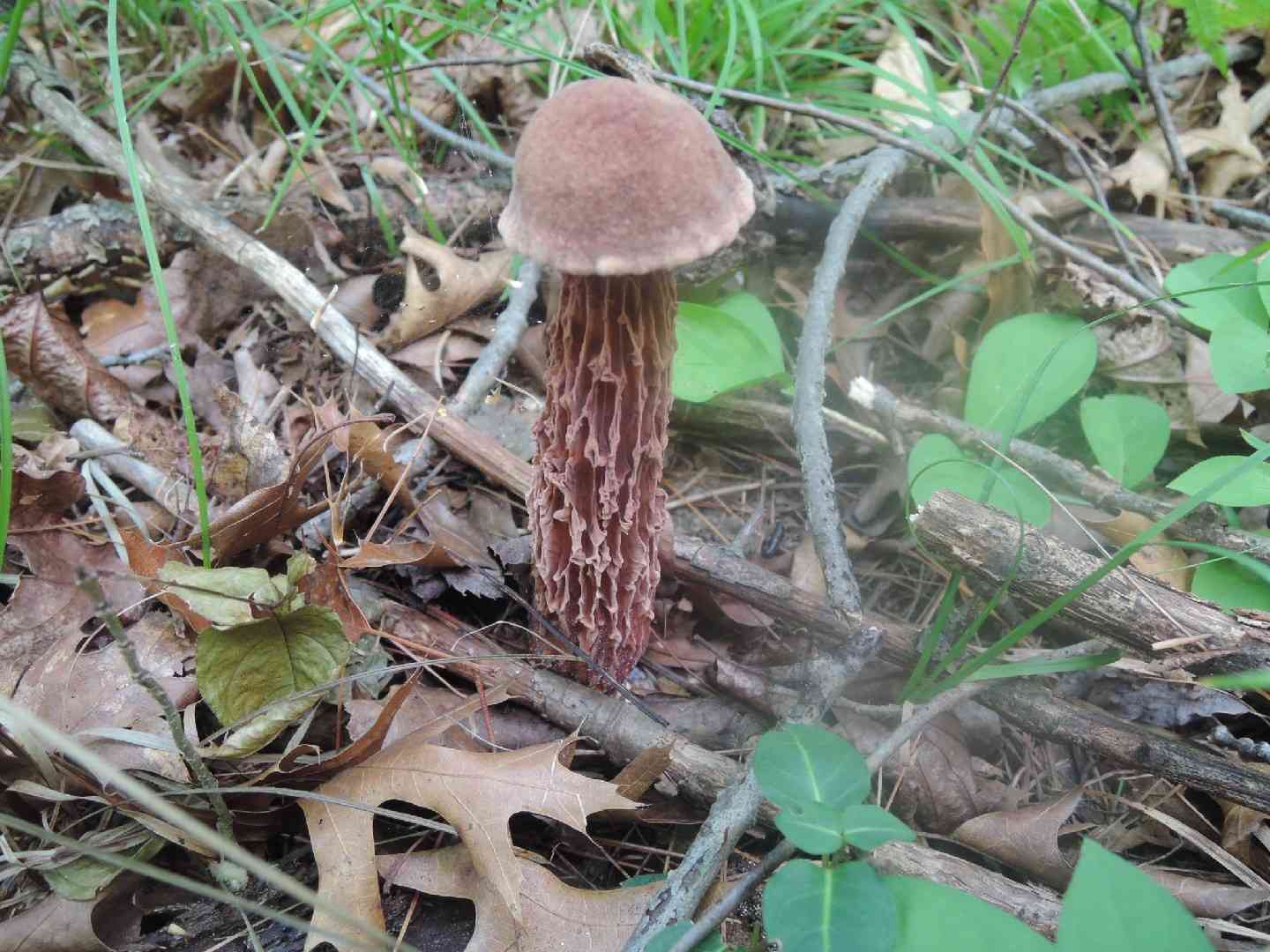
Russell's bolete stands out with its distinct and appealing look, making it readily identifiable beneath oak and other hardwood trees. Its most notable features include a slender stem that is also shaggy and has characteristic pockets. A key differentiator from similar species is that its cap remains dry, rather than becoming sticky.
In This Article
Attributes of Russell's bolete
Cap Diameter
2 - 6 cm
Height
10 - 16 cm
Cap
Cap 2 - 6 cm; convex; brown; dry, bald, will becom sub-scaly
Cap Shape
Convex
Cap Surfaces
Fibrillose-scaly
Stem
Stem 10 - 15 cm long, 1 - 2 cm thick; tapered to apex; reddish brown; dry
Stem Shapes
Club Shaped
Stem Surfaces
With Reticulum
Flesh
Yellowish; not staining on exposure
Ring
Ringless
Spore Print Color
Olive-brown
Odor
Mild, indistinct mushroom-like fragrance.
Body Color
BrownRedPink
Flesh Bruises
The flesh or milk does not discolor when bruised or cut.
Growth Form
Solitary, Scattered, Gregarious
Nutrient Gathering
Mycorrhizal
Substrate
On soil
You can find Russell's bolete by these plants
Oaks, Pines
Occurence Habitats
Deciduous Woodland, Coniferous Woodland
Species Status
Widely distributed
Endangered Species
No
Scientific Classification of Russell's bolete
Phylum
Club fungi
Class
Mushroom-forming fungi
Order
Boletes and allies
Family
Boletes
Genus
Aureoboletus
Toxicity and Edibility of Russell's bolete
Is Russell's bolete Toxic?
Toxicity information is not available for this mushroom. Always consult with an expert before consuming any wild mushrooms.