Scarlet bonnet
Atheniella adonis
A species of Atheniella.
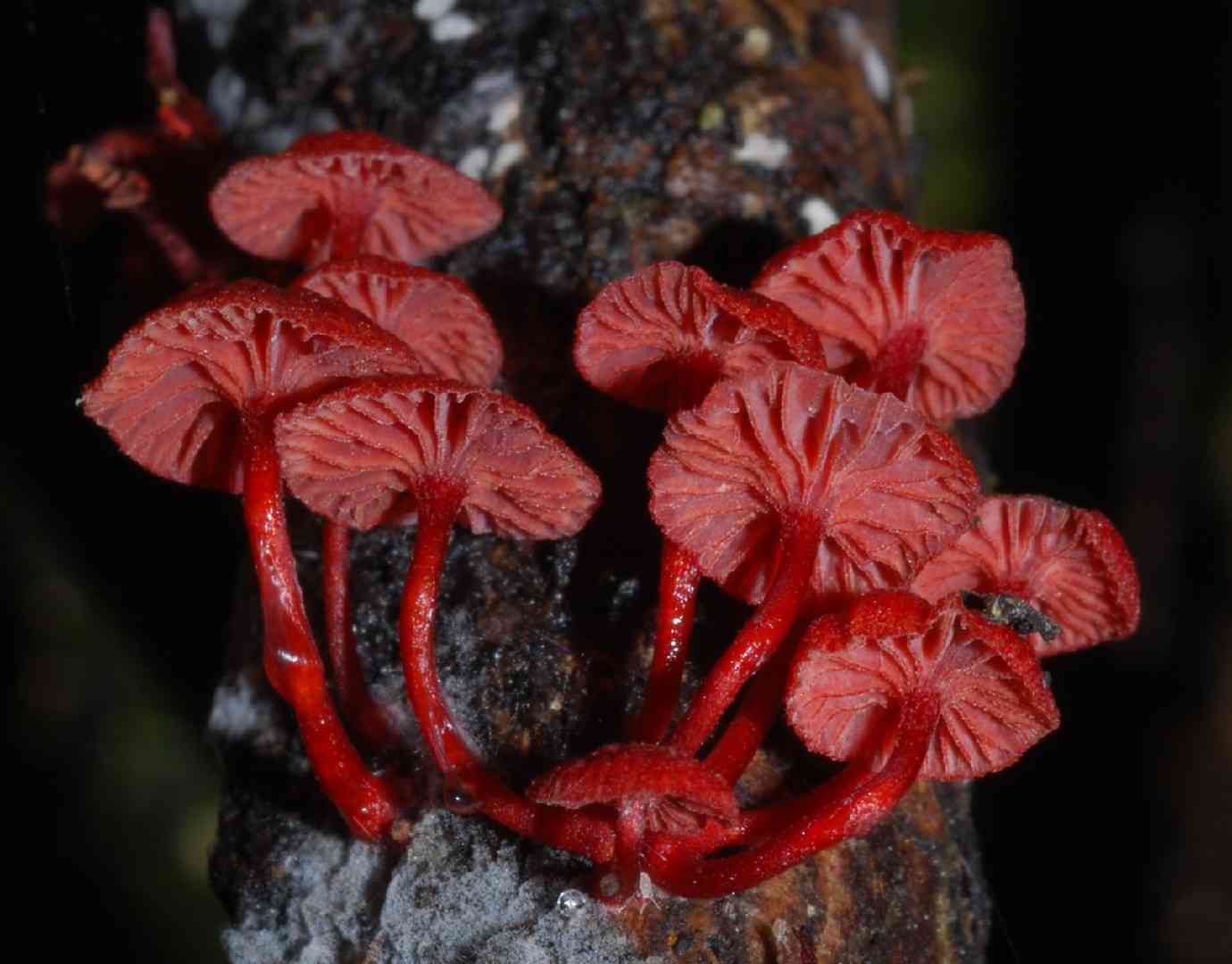
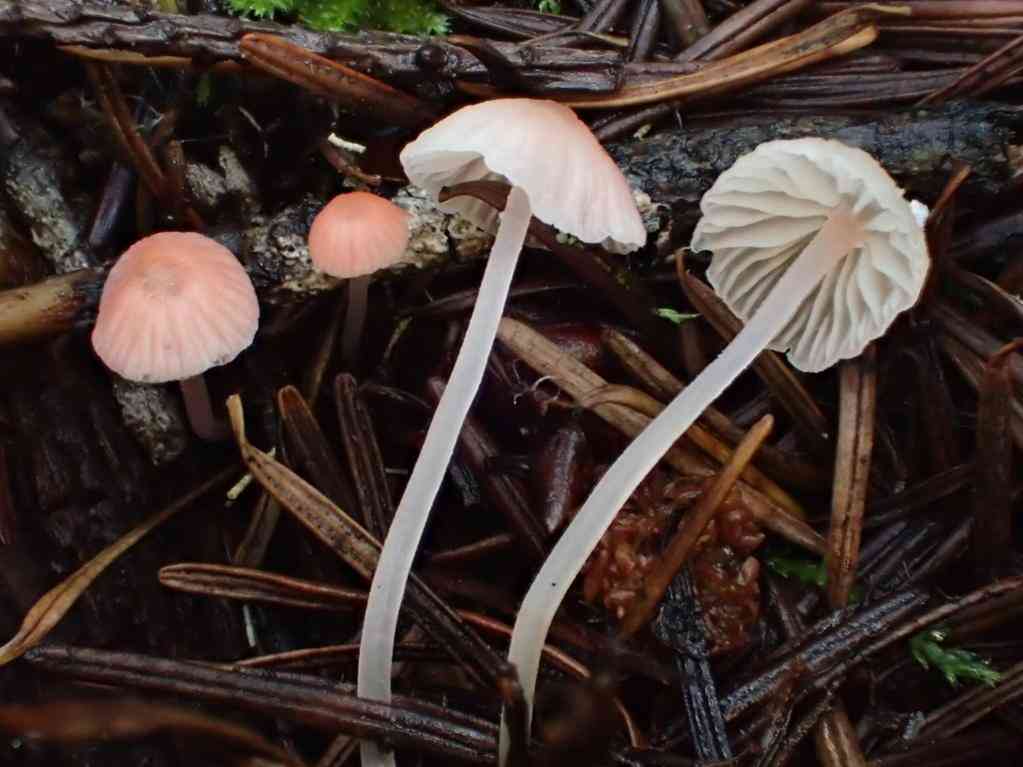
Scarlet bonnets are characterized by their petite, vivid red caps and delicate stalks. They commonly sprout in clusters amidst the forest's decaying leaves, flourishing especially in moist environments. A key attribute of scarlet bonnets is their striking color, which makes them stand out from their habitat. They are instrumental in breaking down organic matter, thereby aiding in the nutrient circulation within their ecosystems.
In This Article
Attributes of Scarlet bonnet
Cap Diameter
1 - 2 cm
Height
1 - 6 cm
Cap
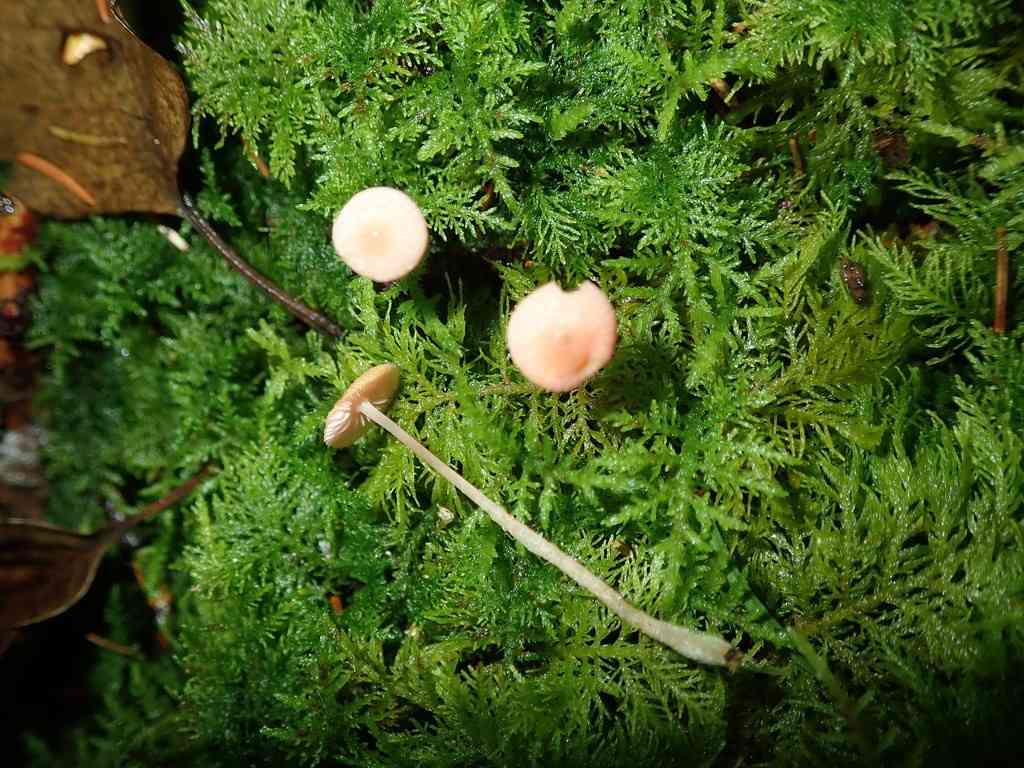
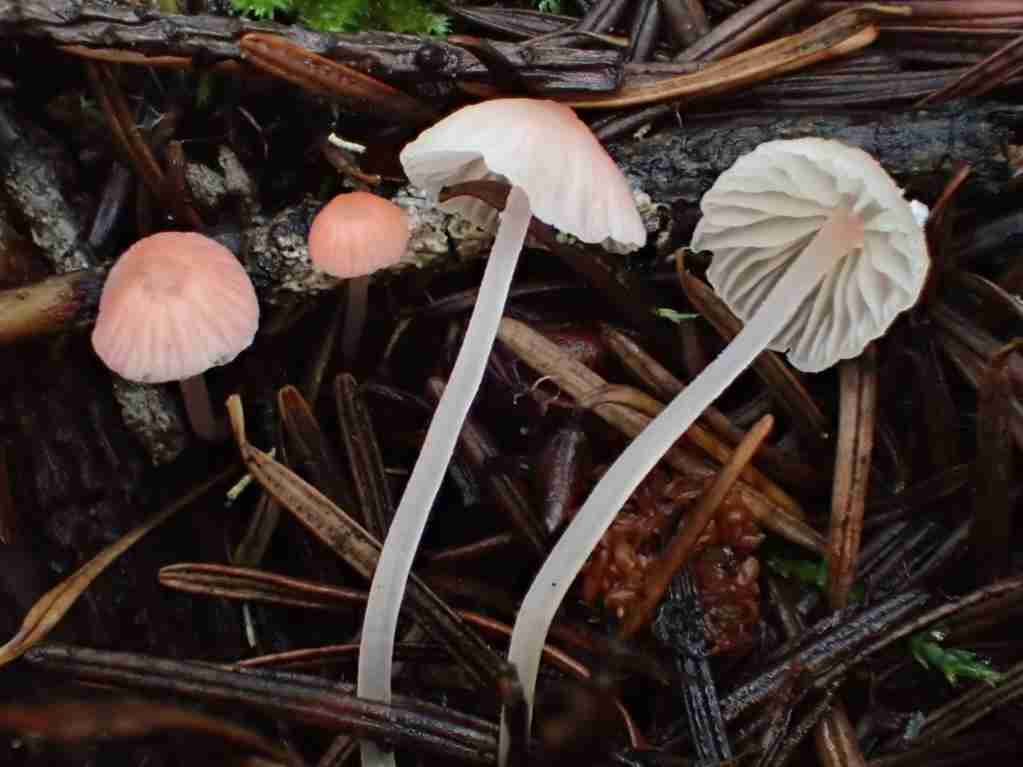
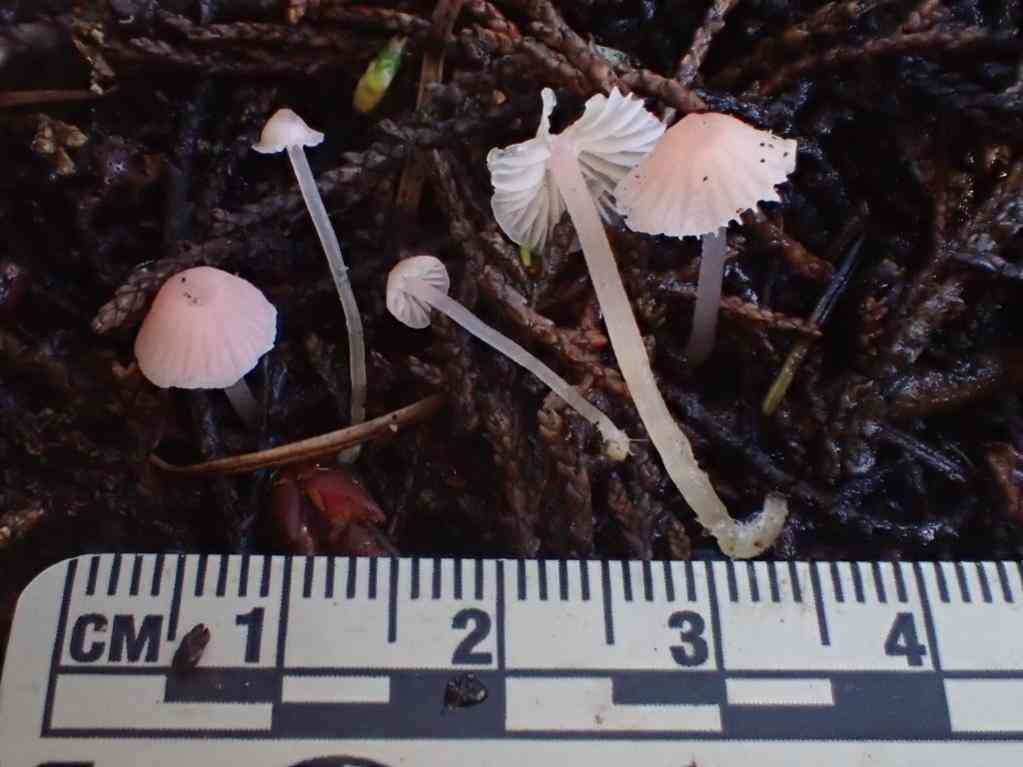
Cap 1 - 1.5 cm across; conical, bell shaped; reddish or deep pink; smooth, displaying marginal lines half-way to the cap centre when wet
Cap Surfaces
Visible lines or stripes
Gills
Adnate or adnexed; fairly distant; white tinged with pink
Gill Attachment
Decurrent
Stem
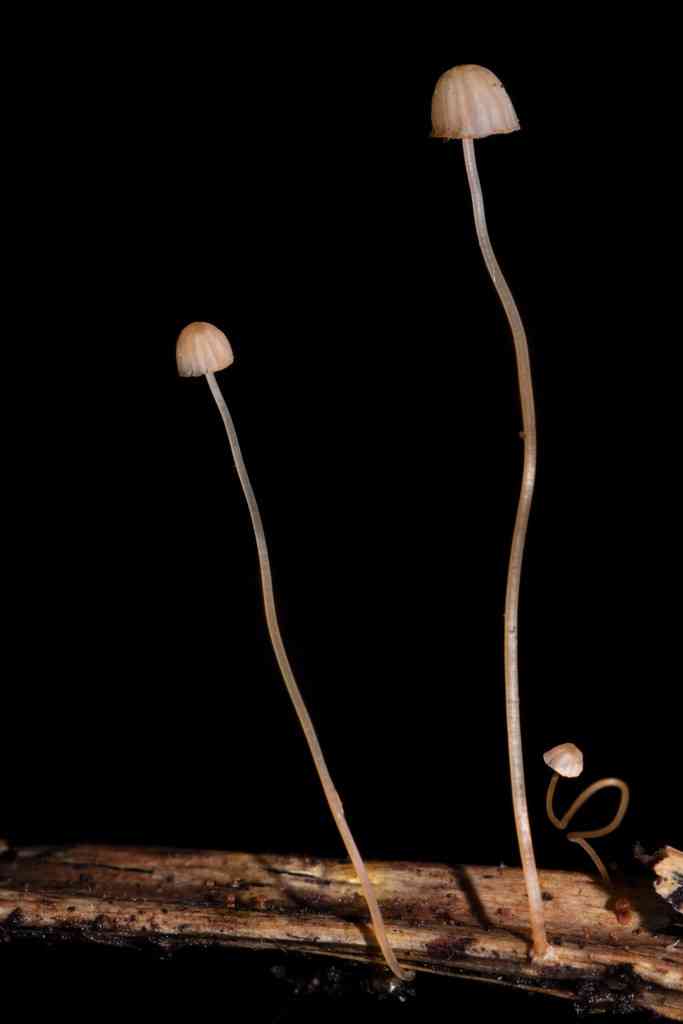
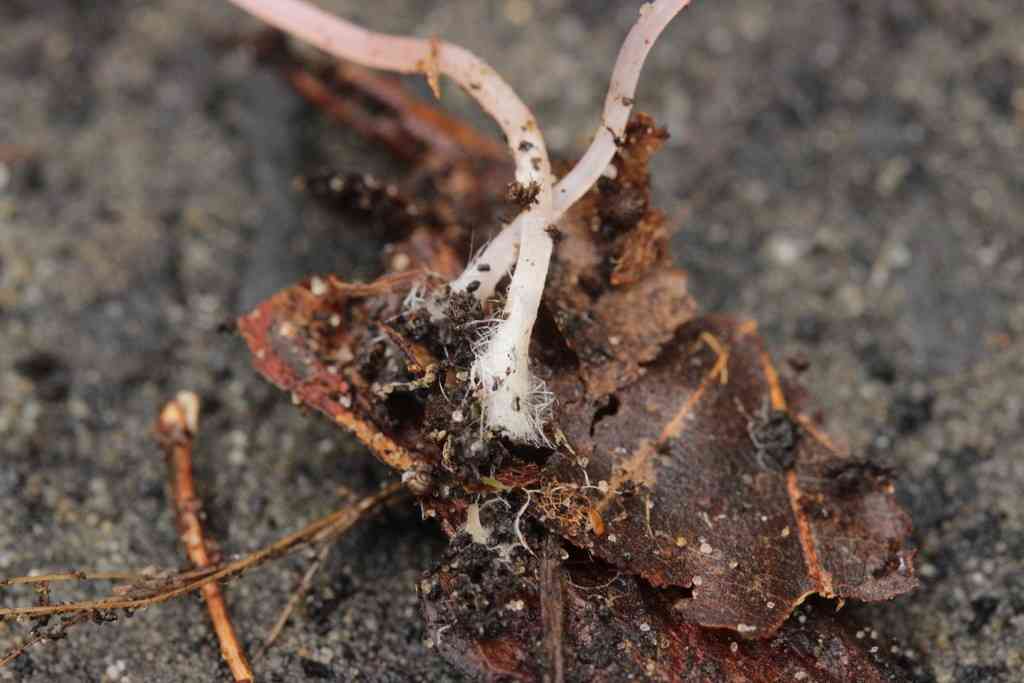
Stem 1.5 - 3 cm long, 0.5 - 1.5 mm in diameter; cylindrical, hollow; white to pale cap-colored; smooth
Stem Shapes
Cylindrical
Flesh
Pinkish
Ring
Ringless
Spore Print Color
White
Odor
Mild, non-distinctive mushroomy scent.
Body Color
RedPink
Flesh Bruises
The flesh or milk does not discolor when bruised or cut.
Growth Form
Scattered
Nutrient Gathering
Saprophytic
Substrate
Leaf or Needle Litter
You can find Scarlet bonnet by these plants
Oaks, Firs, Pines
Occurence Habitats
Mixed Woodland
Species Status
Less common
Endangered Species
No
Scientific Classification of Scarlet bonnet
Phylum
Club fungi
Class
Mushroom-forming fungi
Order
Gilled fungi
Family
Marasmiaceae
Genus
Atheniella
Toxicity and Edibility of Scarlet bonnet
Is Scarlet bonnet Toxic?
Toxicity information is not available for this mushroom. Always consult with an expert before consuming any wild mushrooms.