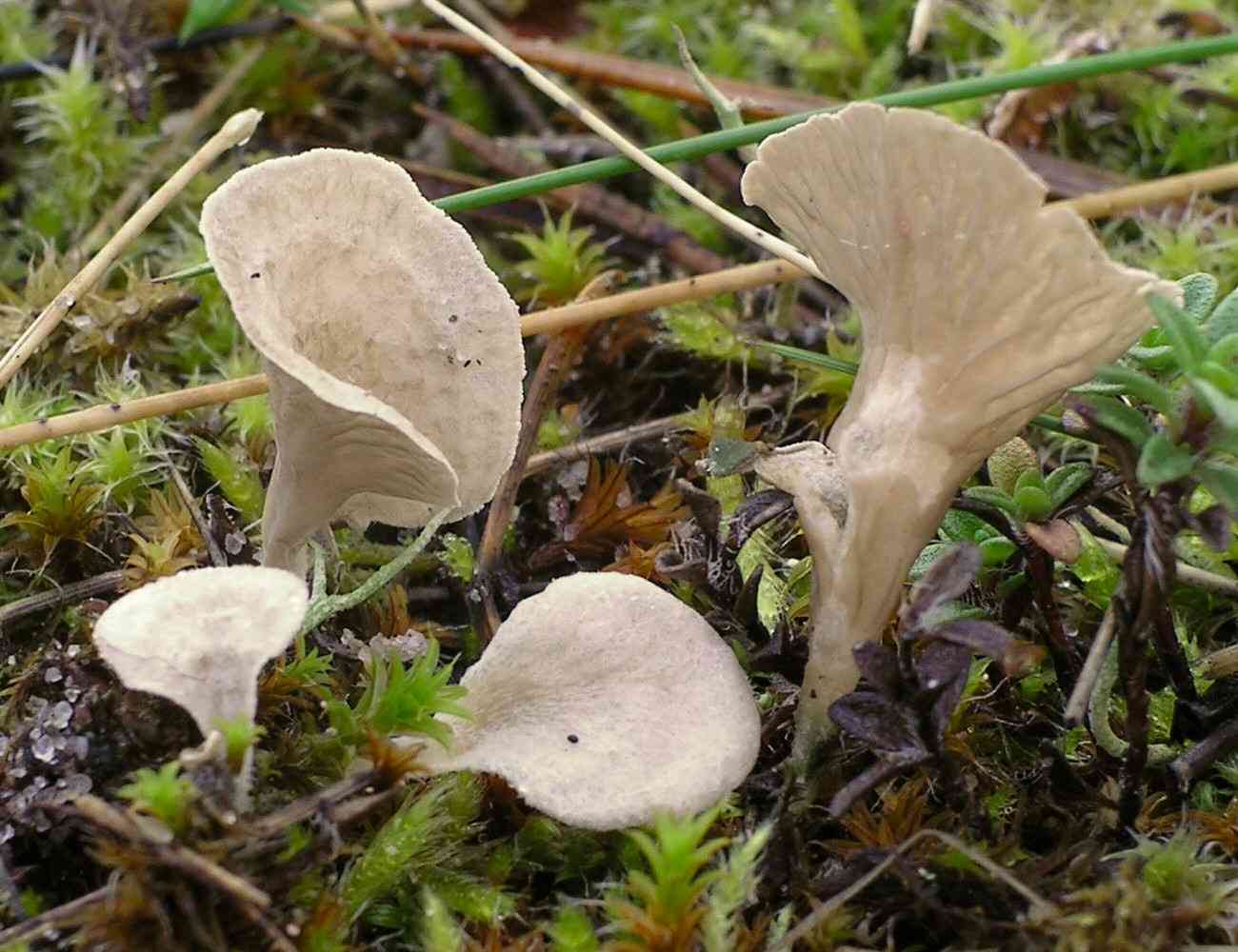
Spatulate oysterling
Arrhenia spathulata
A species of Arrhenia.
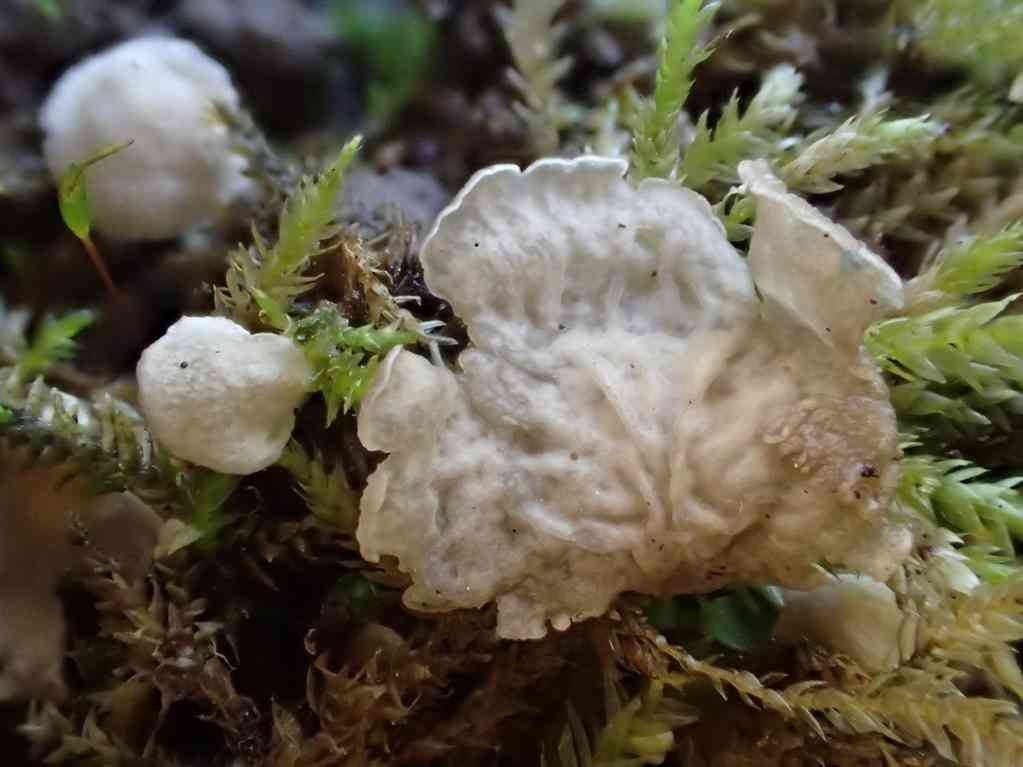
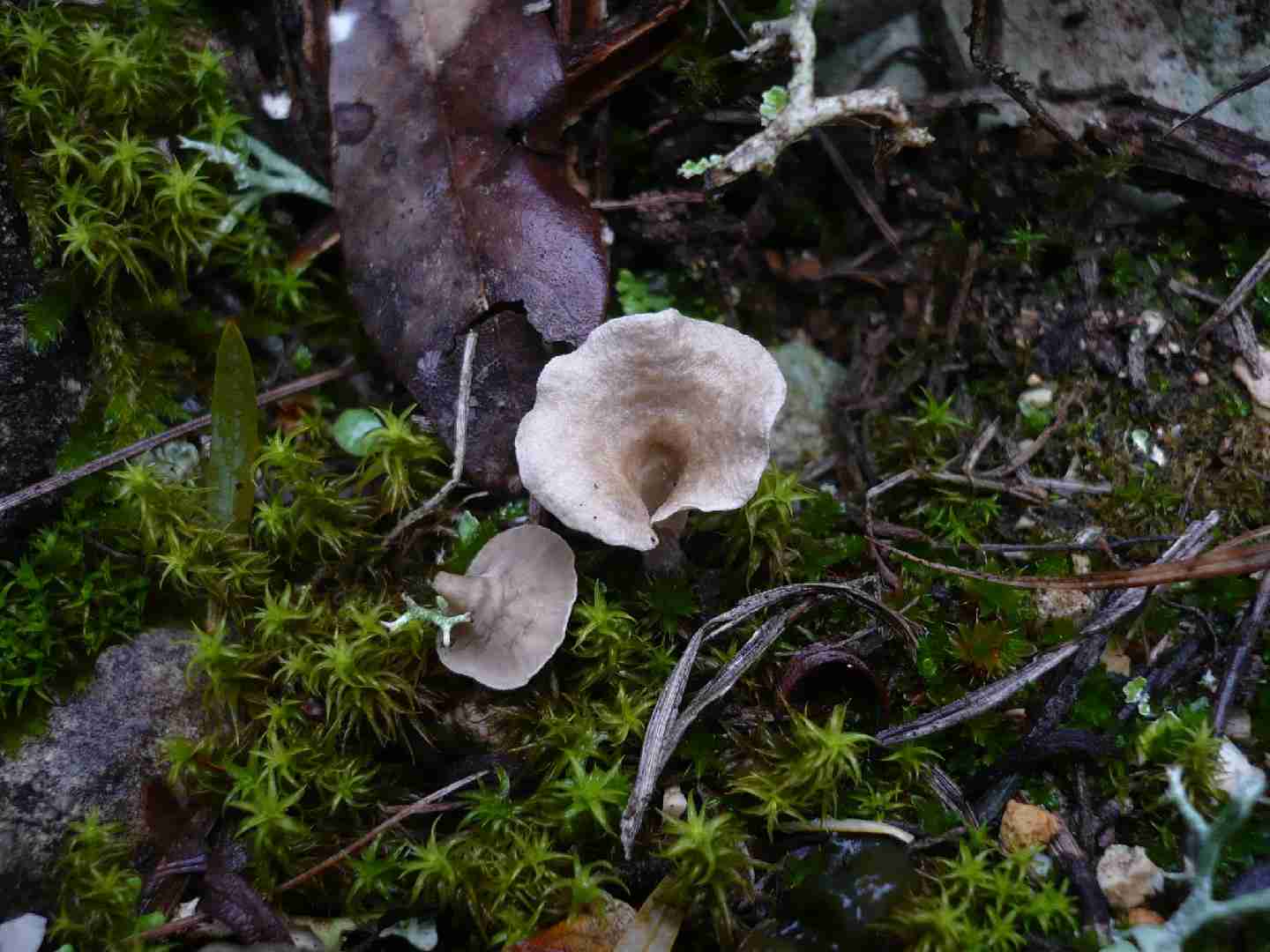
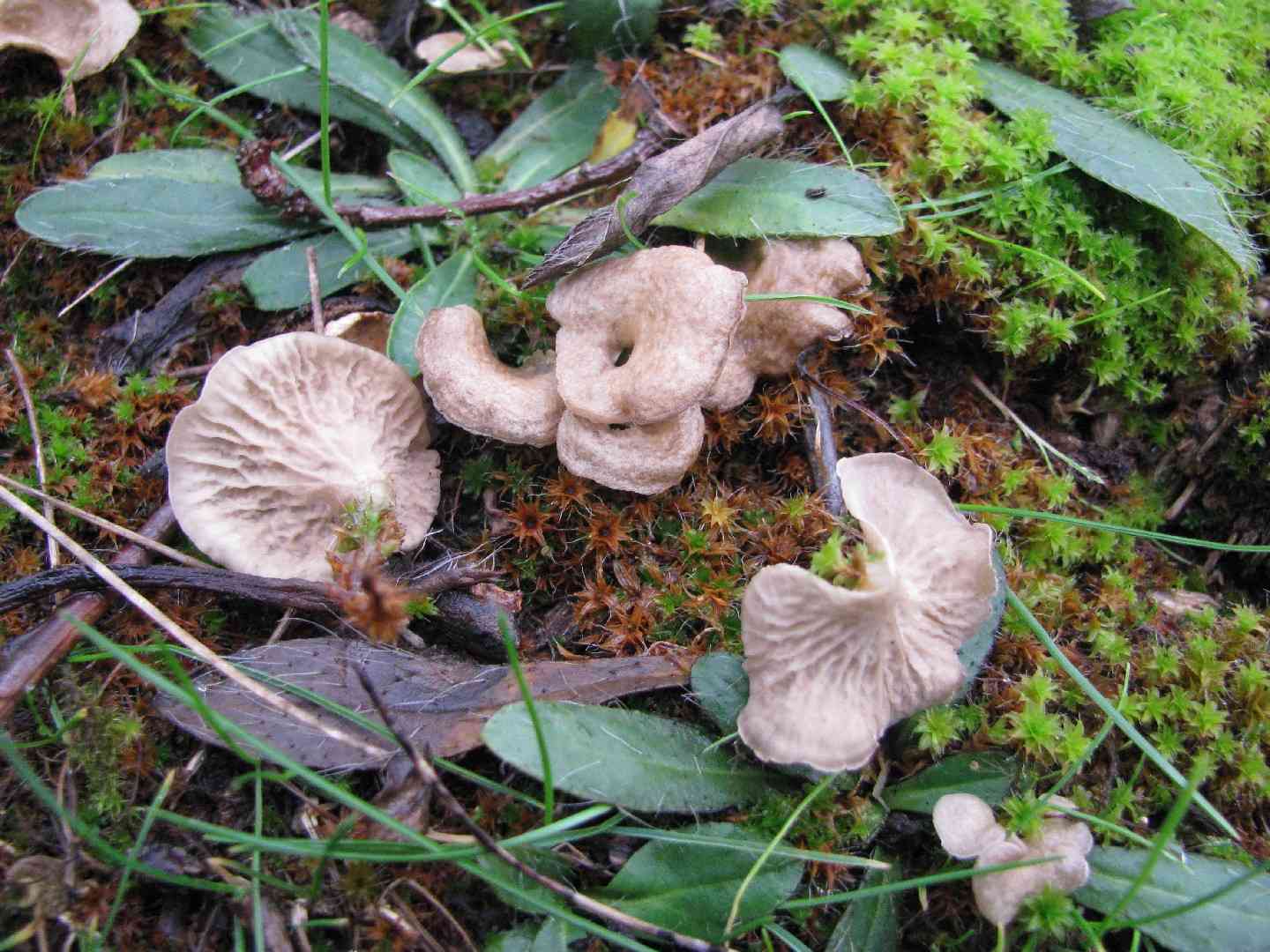
The Spatulate oysterling, a fungus, commonly thrives on moss and decomposing timber across diverse woodland settings. Characterized by its unique spatula-like cap, it flourishes in damp environments. While its look can be influenced by surroundings, it generally remains small and prefers colder weather. Its existence often signals a robust ecosystem actively breaking down organic materials.
In This Article
Attributes of Spatulate oysterling
Cap Diameter
2 - 3 cm
Cap
2.2–2.8 x 0.5–2.2 cm; fan-shaped to spatulate, thin; gray, gray-brown to pale brown; with a smooth wavy, sometimes lobed edge
Gill Attachment
Decurrent
Stem
Stem 3 - 5 mm long and 1 - 3 mm thick; lateral; whitish; hard, with a hymenial layer
Flesh
Thin; gray, gray-brown to pale brown
Ring
Ringless
Spore Print Color
White
Odor
Mildly mushroomy but not distinctive.
Body Color
BrownGray
Flesh Bruises
The flesh or milk does not discolor when bruised or cut.
Growth Form
Scattered, Gregarious
Nutrient Gathering
Saprophytic
Substrate
On soil
You can find Spatulate oysterling by these plants
Tortula
Species Status
Widespread along the Atlantic coast
Endangered Species
Yes
Scientific Classification of Spatulate oysterling
Phylum
Club fungi
Class
Mushroom-forming fungi
Order
Gilled fungi
Family
Pale-spore mushrooms
Genus
Arrhenia
Toxicity and Edibility of Spatulate oysterling
Is Spatulate oysterling Toxic?
Toxicity information is not available for this mushroom. Always consult with an expert before consuming any wild mushrooms.