Amanita yema
Amanita yema
A species of Amanita mushrooms.
Amanita yema is a member of a prominent mushroom family known for its visually captivating and ecologically important species. This fungus commonly forms beneficial associations with trees, playing a role in the health of forest ecosystems. It frequently exhibits unique traits that aid mycologists in its recognition. Given the inherent diversity within its kind, amanita yema presents various physical forms, which can evolve as it matures.
In This Article
Attributes of Amanita yema
Cap Diameter
5 - 19 cm
Height
7 - 22 cm
Cap
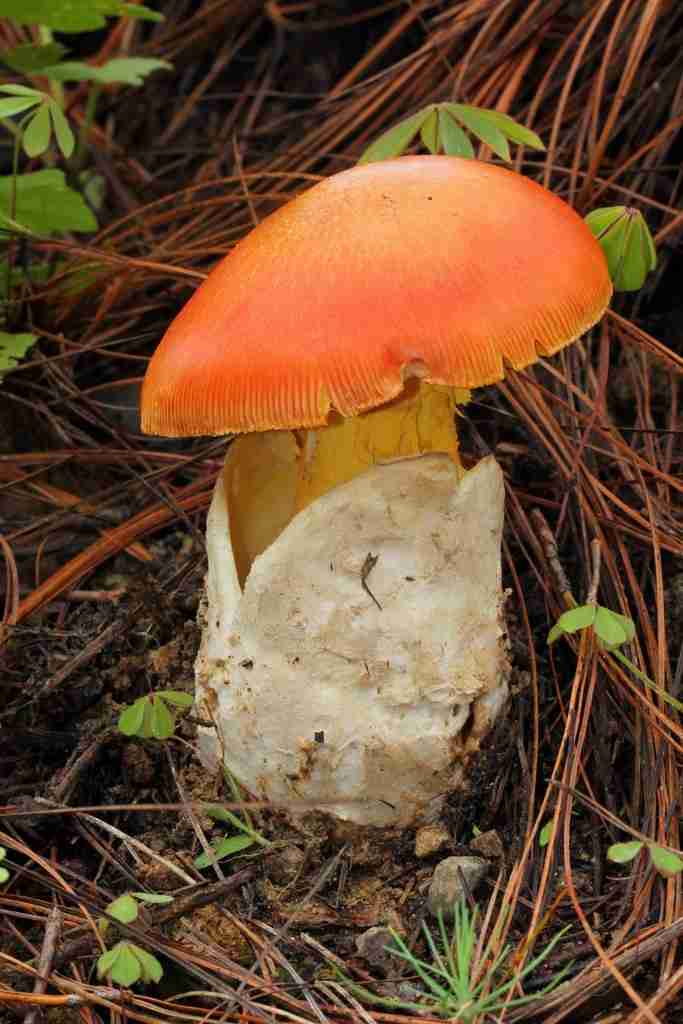
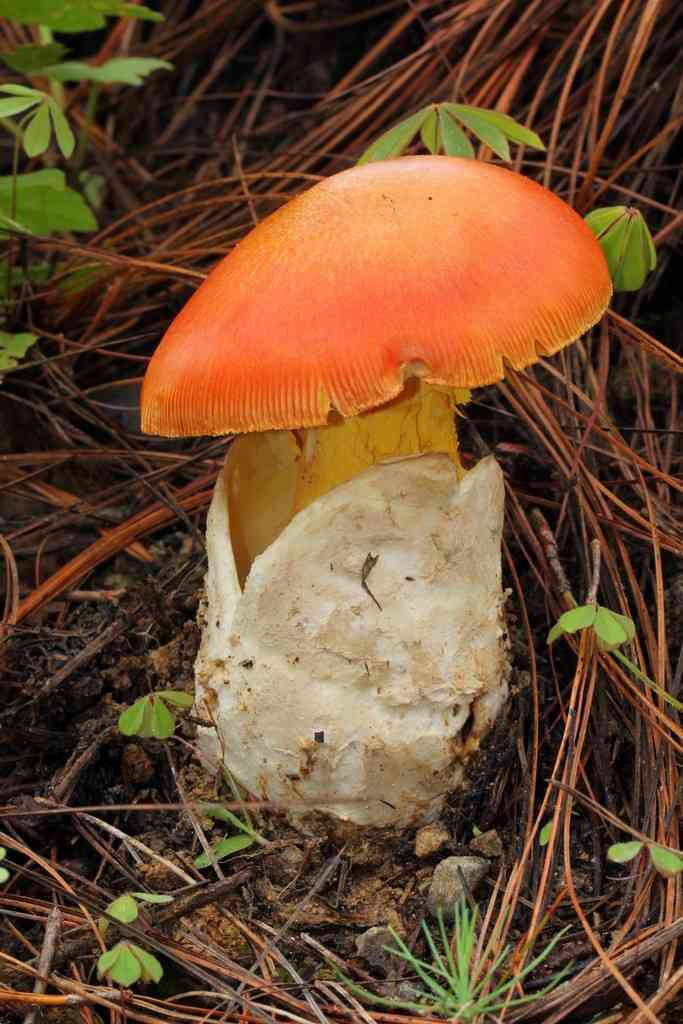
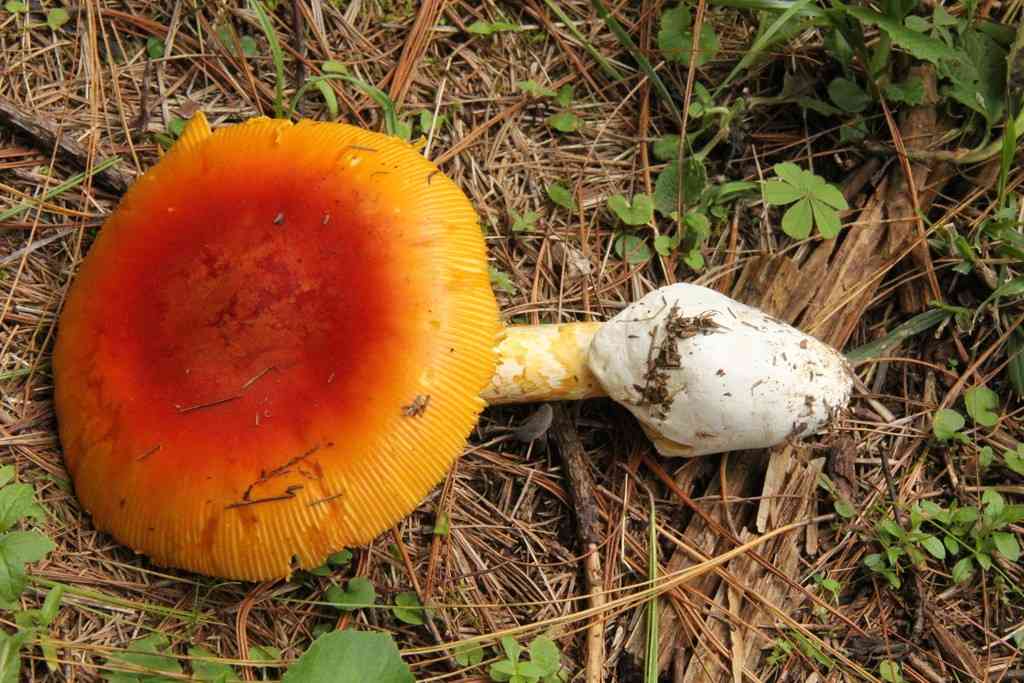
5 - 19 cm wide; ovoid, plano-convex, umbonate; blood red to red-brown; modertate or short striate margin
Gills
Adnexed; pale yellowish white to yellow
Stem
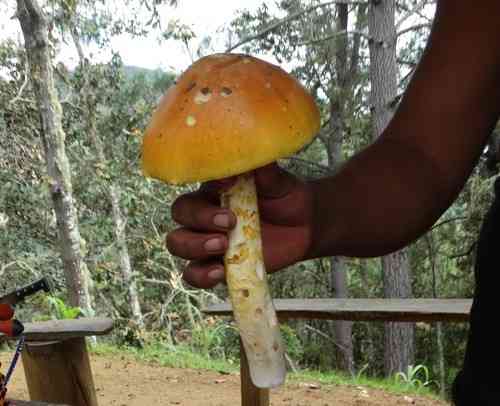
Stem 65-220 × 15-40 mm; hollow or stuffed with cottony white fibers; white to yellow
Flesh
White
Volva
Up to 5 mm thick; saccate; white; membranous; smooth inside
Ring
Thick; membranous, skirt-like; yellow
Spore Print Color
White
Odor
Mild but pleasant
Body Color
BrownYellowRedWhiteOrange
Flesh Bruises
The flesh or milk does not discolor when bruised or cut.
Growth Form
Solitary, Scattered
Nutrient Gathering
Mycorrhizal
Substrate
On soil
You can find Amanita yema by these plants
Oaks, Pines
Species Status
From a large number of localities
Endangered Species
No
Scientific Classification of Amanita yema
Phylum
Club fungi
Class
Mushroom-forming fungi
Order
Gilled fungi
Family
Amanita
Genus
Amanita mushrooms
Toxicity and Edibility of Amanita yema
Is Amanita yema Toxic?
Amanita yema is poisonous; consuming it can cause various symptoms. It is advisable to avoid this fungus.

