Veiled-bulb amanita
Amanita velatipes
A species of Amanita mushrooms.
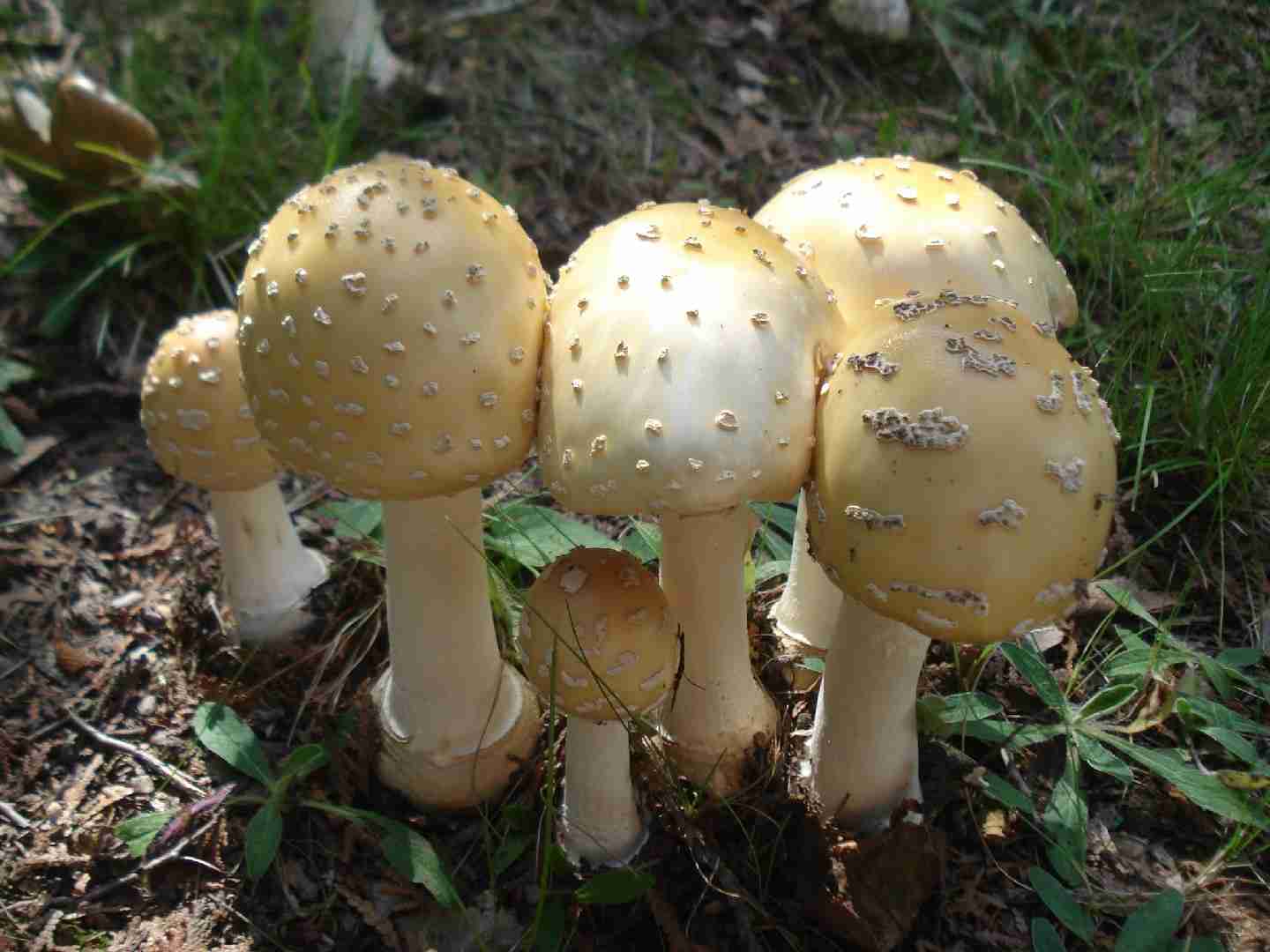
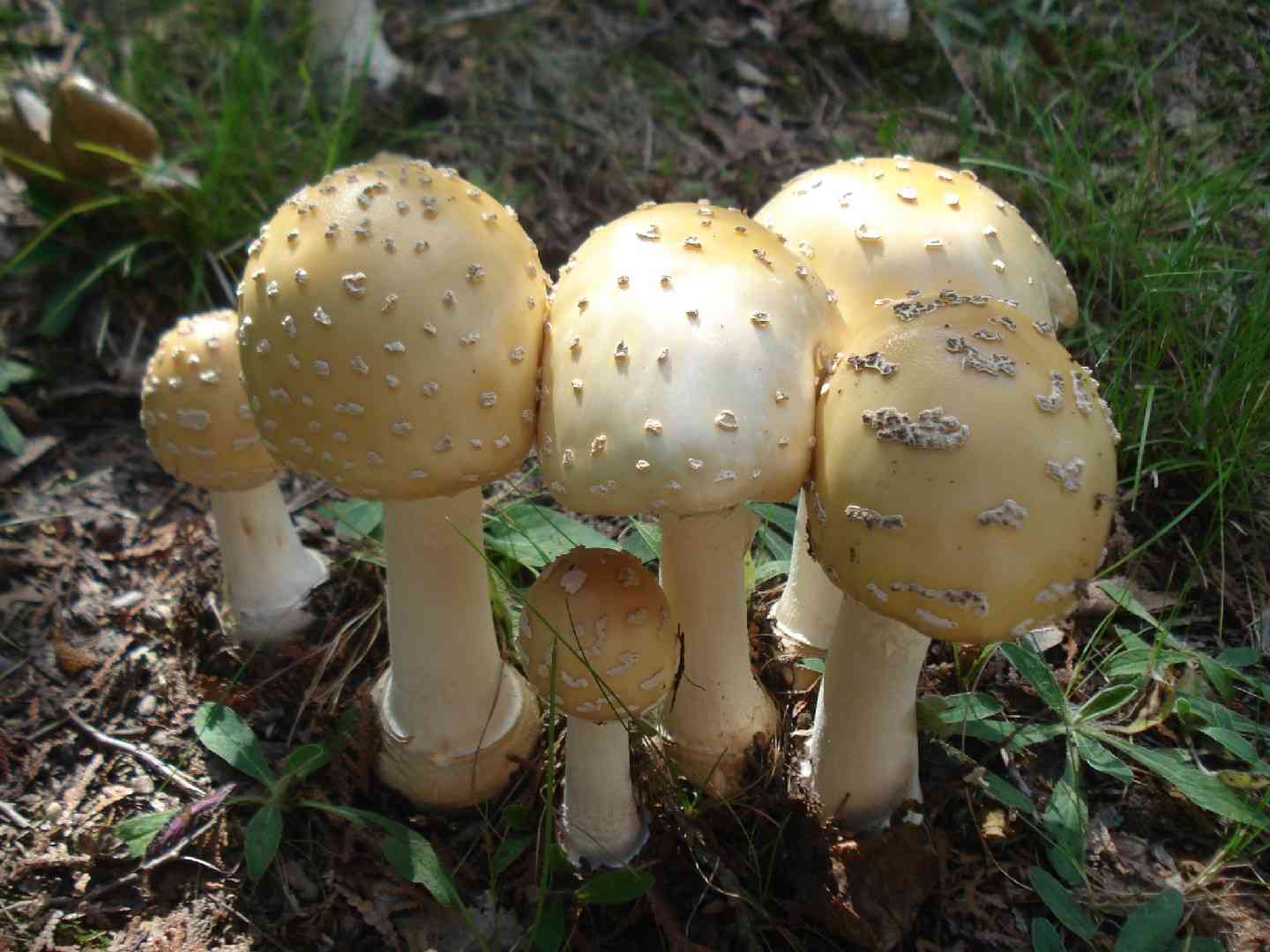
The Veiled-bulb Amanita stands out among Amanita species for its substantial size. While it bears a resemblance to its relative, the poisonous Panther Cap (Amanita pantherina), misidentification is unlikely due to their distinct geographical distributions and habitats.
In This Article
Attributes of Veiled-bulb amanita
Cap Diameter
4 - 20 cm
Height
10 - 25 cm
Cap
Cap 5 - 18 cm across; oval, egg-shaped, convex, flat; brownish, dull tan to creamy yellow
Cap Shape
Convex, Flat
Cap Surfaces
Slimy or slightly sticky, Warted
Gills
Free, attached; crowded; white
Gill Attachment
Free
Stem
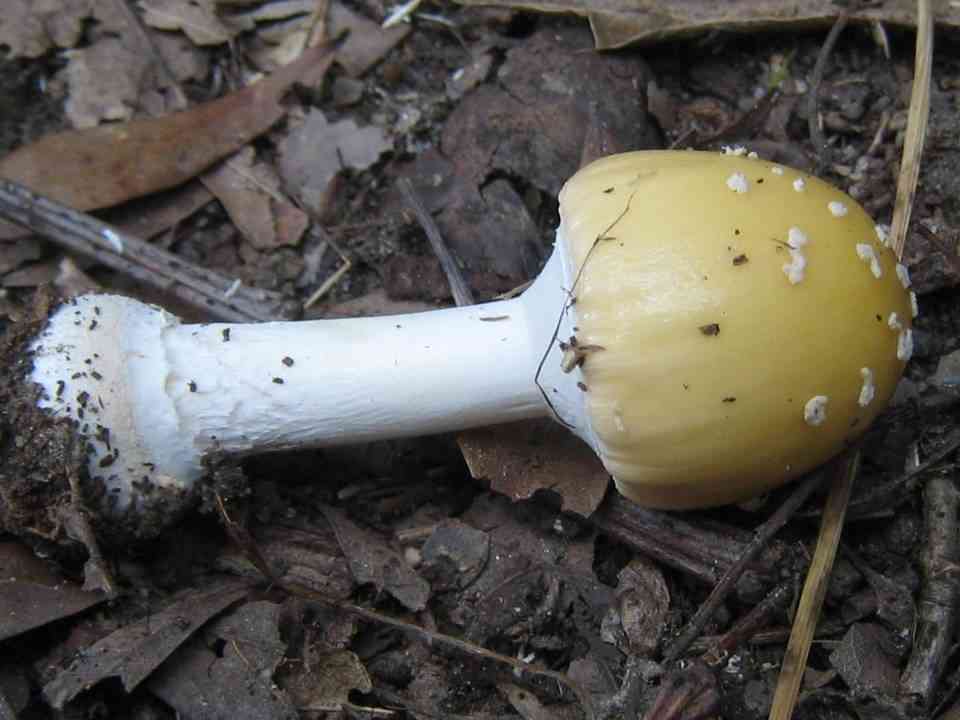
Stem 8 - 20 cm long, 5 - 20 mm thick; whitish; with veil material
Stem Shapes
Bulbous
Stem Surfaces
Smooth to slightly fibrous
Flesh
White; unchanging when sliced
Ring
With Ring
Spore Print Color
White
Odor
Mildly mushroomy but not distinctive.
Body Color
BrownYellowWhiteCream
Flesh Bruises
The flesh or milk does not discolor when bruised or cut.
Growth Form
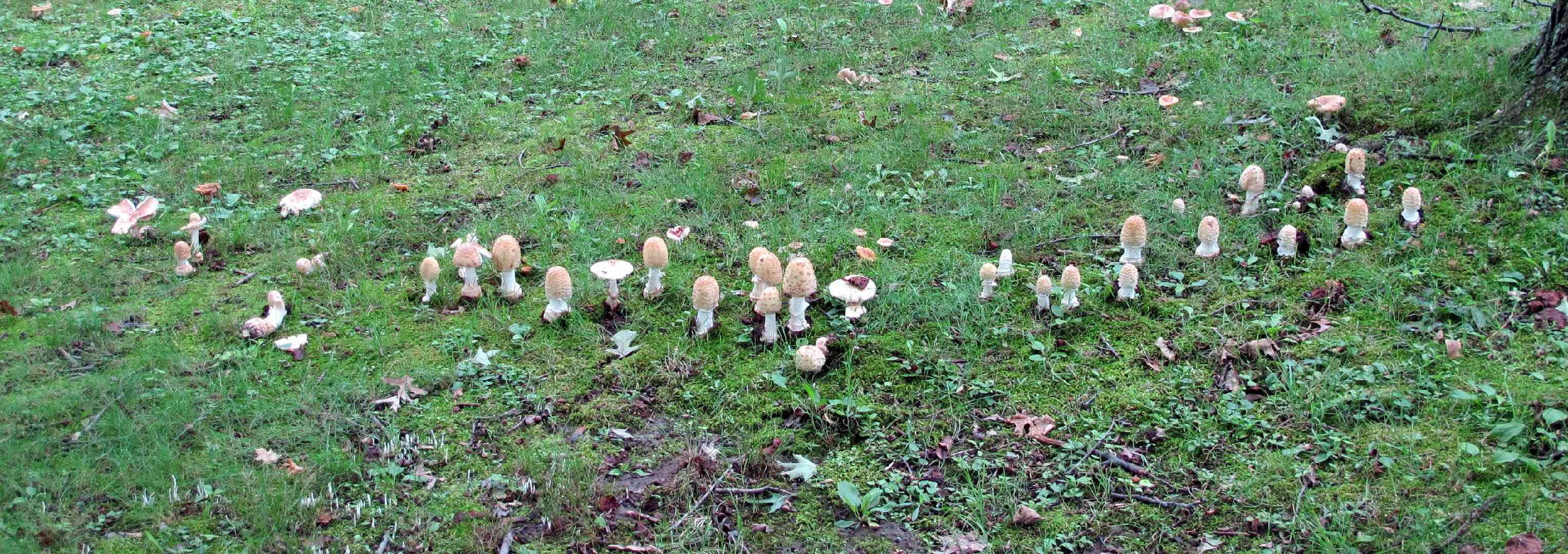
Solitary, Scattered, Gregarious
Nutrient Gathering
Mycorrhizal
Substrate
On soil
You can find Veiled-bulb amanita by these plants
Pines, Oaks
Occurence Habitats
Deciduous Woodland, Coniferous Woodland, Mixed Woodland
Endangered Species
No
Scientific Classification of Veiled-bulb amanita
Phylum
Club fungi
Class
Mushroom-forming fungi
Order
Gilled fungi
Family
Amanita
Genus
Amanita mushrooms
Toxicity and Edibility of Veiled-bulb amanita
Is Veiled-bulb amanita Toxic?
Because of the potential for harmful toxins, it is advisable to avoid the veiled-bulb amanita.

