East asian death cap
Amanita subjunquillea
A species of Amanita mushrooms.
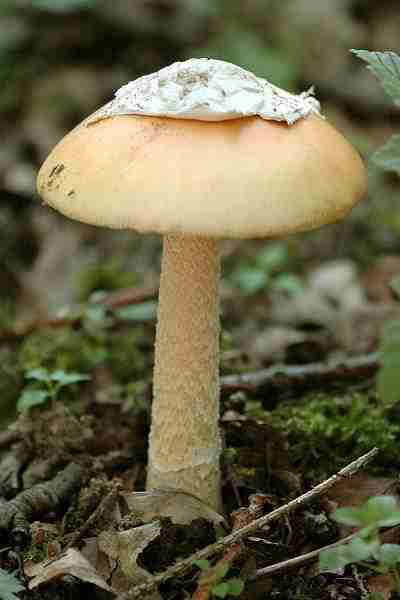
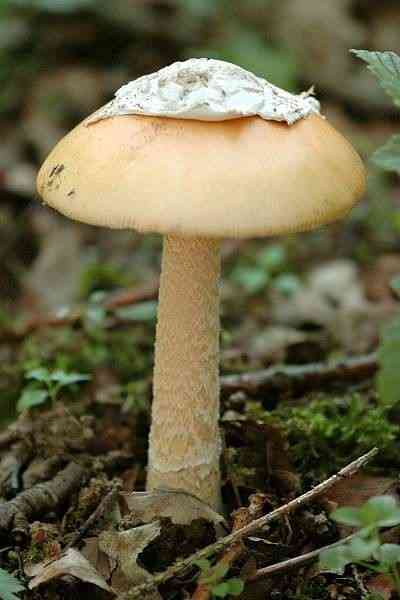
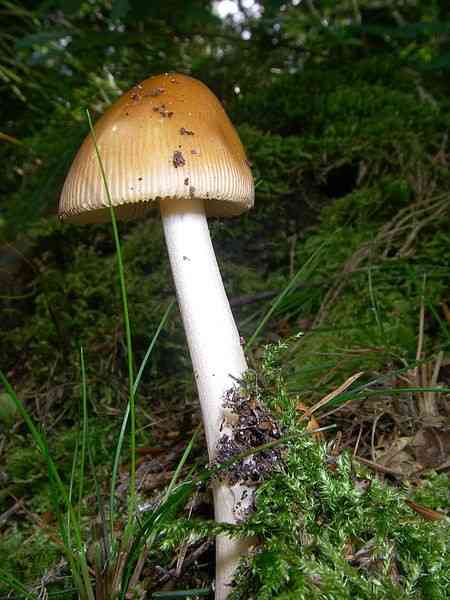
The East Asian death cap mushroom is identifiable by its distinctive look, featuring a cap that ranges from light yellow to golden, complemented by white gills. It commonly inhabits East Asian forested areas, frequently growing beneath deciduous trees. Its appearance is seasonal, typically emerging in warmer, wetter periods, thriving on the ample moisture available.
Attributes of East asian death cap
Scientific Classification of East asian death cap
Toxicity and Edibility of East asian death cap
Is East asian death cap Toxic?
The highly poisonous East Asian death cap mushroom thrives in moist environments throughout the summer and autumn months. Its potent hepatotoxins initially manifest as symptoms like abdominal cramps, nausea, general weakness, vomiting, and lightheadedness. As the illness progresses, it leads to severe health complications including muscle spasms in the calves, inflammation of the liver, cardiac arrest, extensive liver damage, and bloody stools. Exercise extreme caution due to its striking similarity to edible mushroom varieties.

