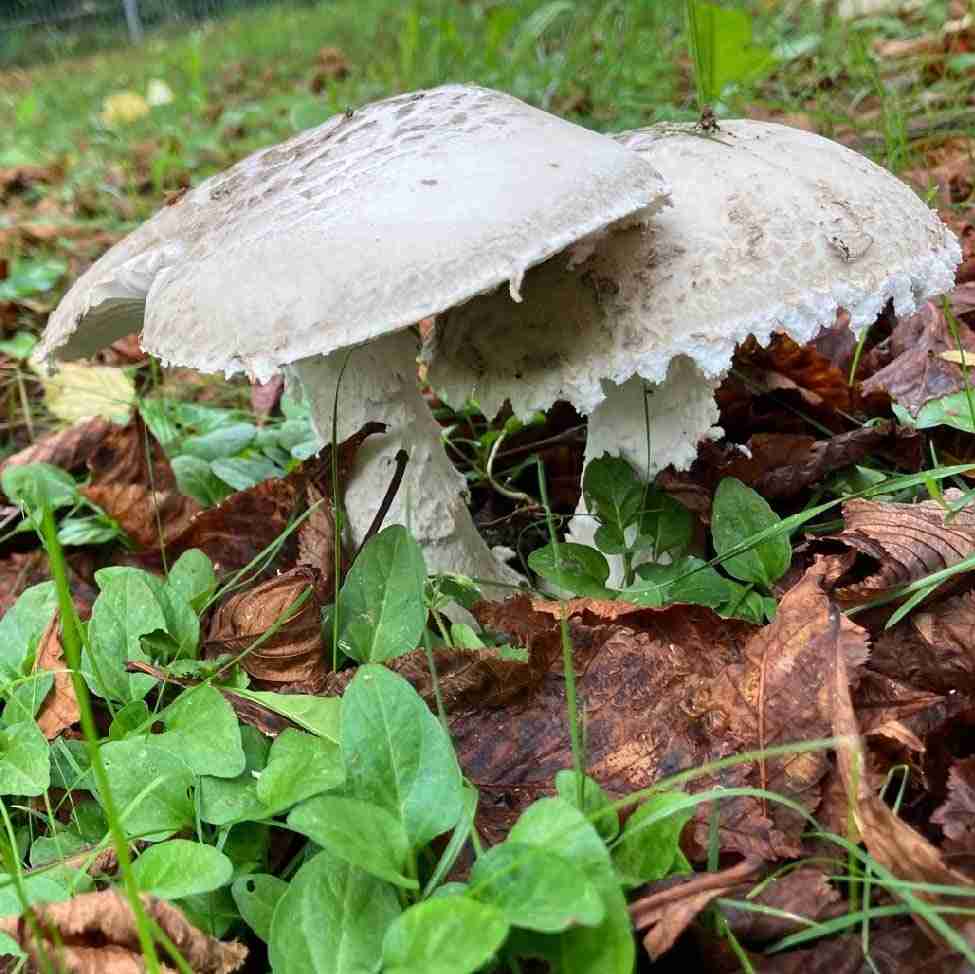
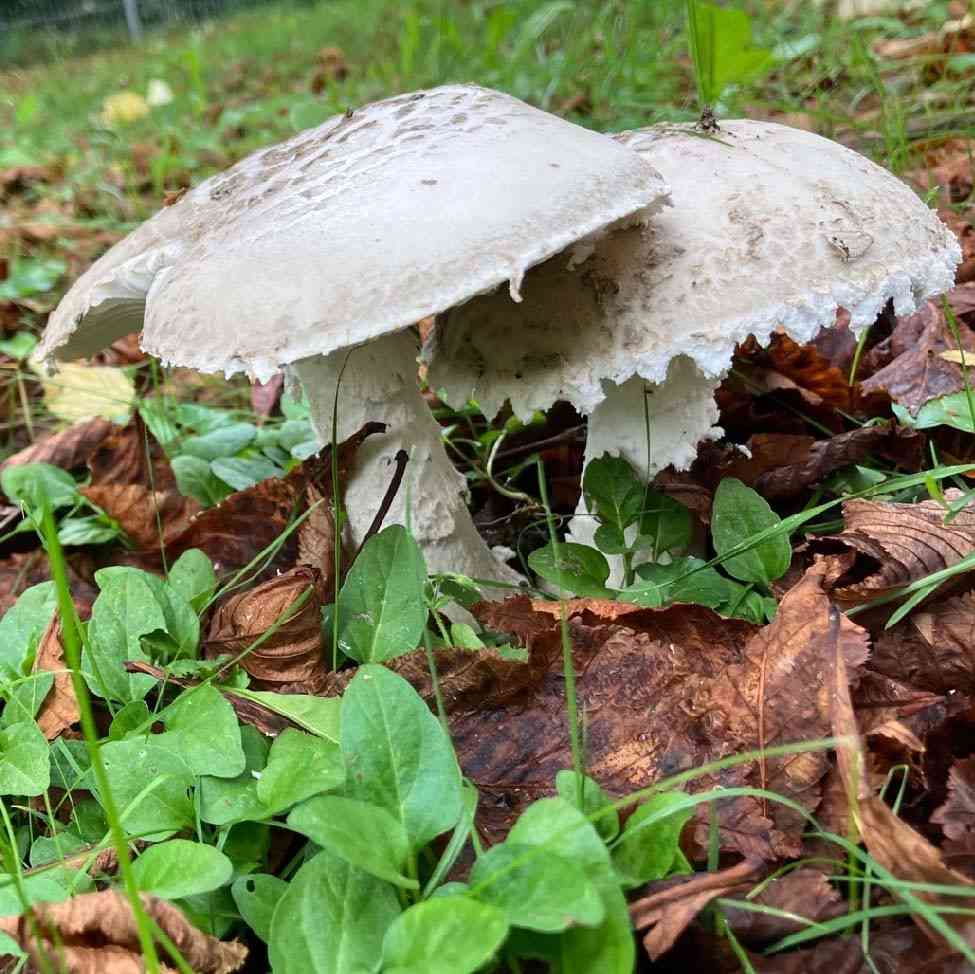
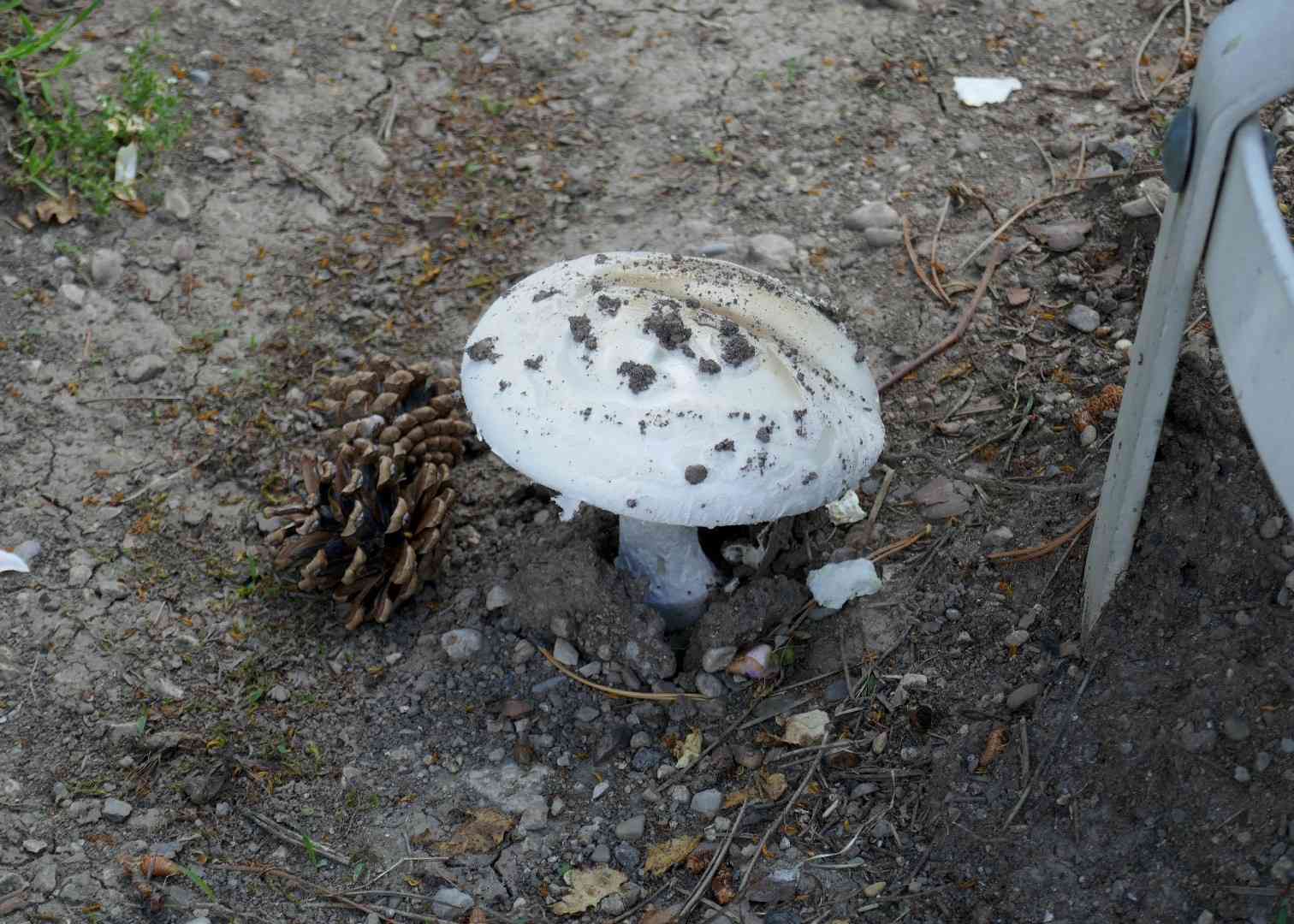
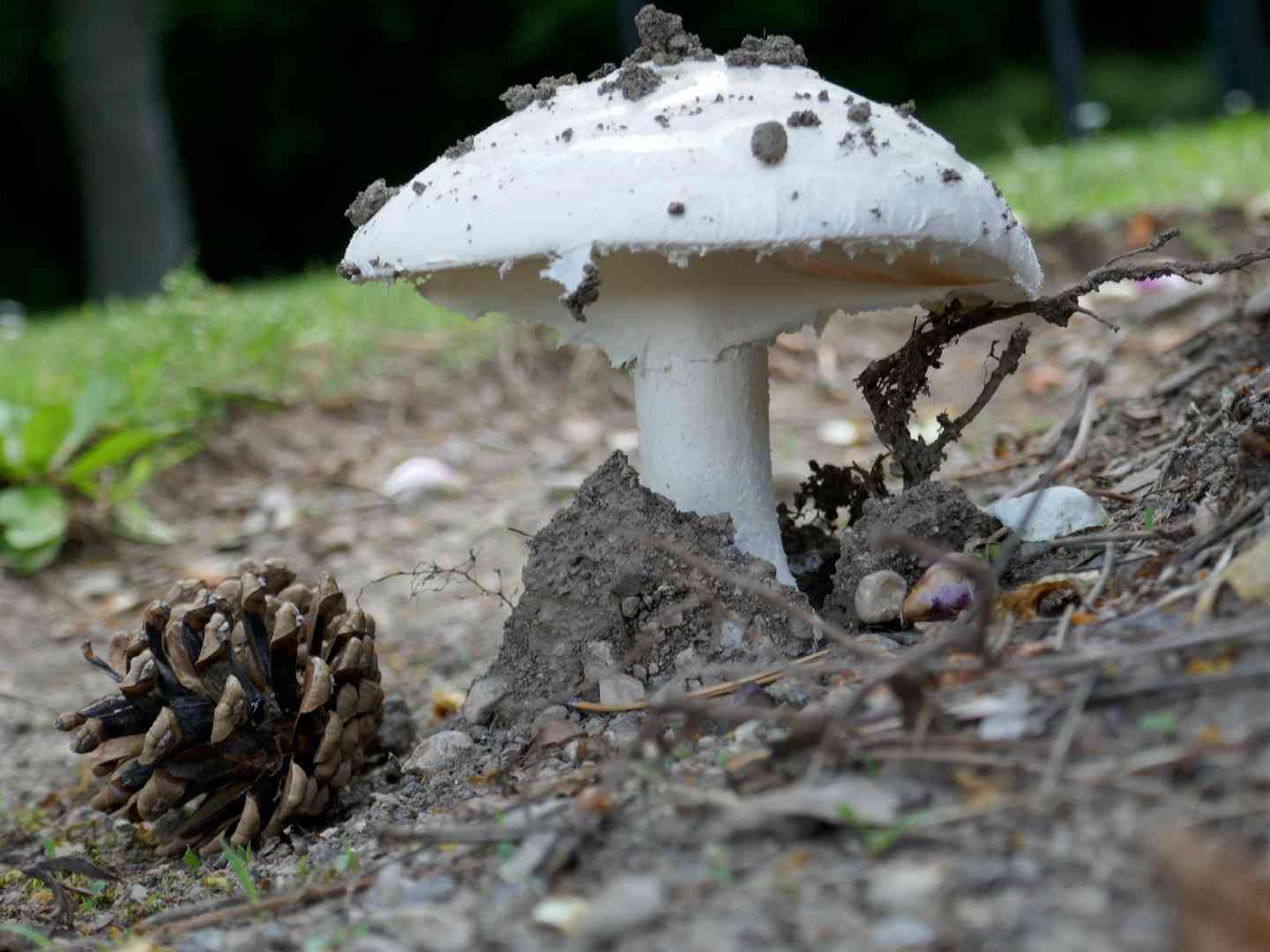
Warted amanita
Amanita strobiliformis
A species of Amanita mushrooms.
The warted amanita, a mushroom prevalent across European deciduous and woodland areas, typically appears individually but can also be found in small clusters. It is believed to harbor ibotenic acid, a potent neurotoxin capable of inducing motor depression and abdominal discomfort; however, the concentration of this toxin within the fungi is subject to variation based on its growth environment.
In This Article
Attributes of Warted amanita
Cap Diameter
10 - 25 cm
Height
10 - 25 cm
Cap
Cap 8 - 25 cm across; whitish, brown; surface rough with warts to smooth
Cap Shape
Convex, Flat
Cap Surfaces
Warted
Gills
Attached; crowded; white
Gill Attachment
Attached
Stem
Stem 5 - 12 cm long, 2 cm thick; white; with warty veil fragments
Stem Shapes
Club Shaped
Stem Surfaces
Scaly
Flesh
Thick to soft; white
Volva
On the stem; reddish orange
Ring
With Ring
Spore Print Color
White
Odor
Resembles cut radishes when bruised.
Body Color
BrownWhite
Flesh Bruises
The flesh or milk does not discolor when bruised or cut.
Growth Form
Solitary, Scattered
Nutrient Gathering
Mycorrhizal
Substrate
On soil
You can find Warted amanita by these plants
Oaks, Pines, Lindens
Occurence Habitats
Deciduous Woodland
Species Status
Rare
Endangered Species
No
Scientific Classification of Warted amanita
Phylum
Club fungi
Class
Mushroom-forming fungi
Order
Gilled fungi
Family
Amanita
Genus
Amanita mushrooms
Toxicity and Edibility of Warted amanita
Is Warted amanita Toxic?
Toxicity information is not available for this mushroom. Always consult with an expert before consuming any wild mushrooms.

