Hongo's false death cap
Amanita pseudoporphyria
A species of Amanita mushrooms.
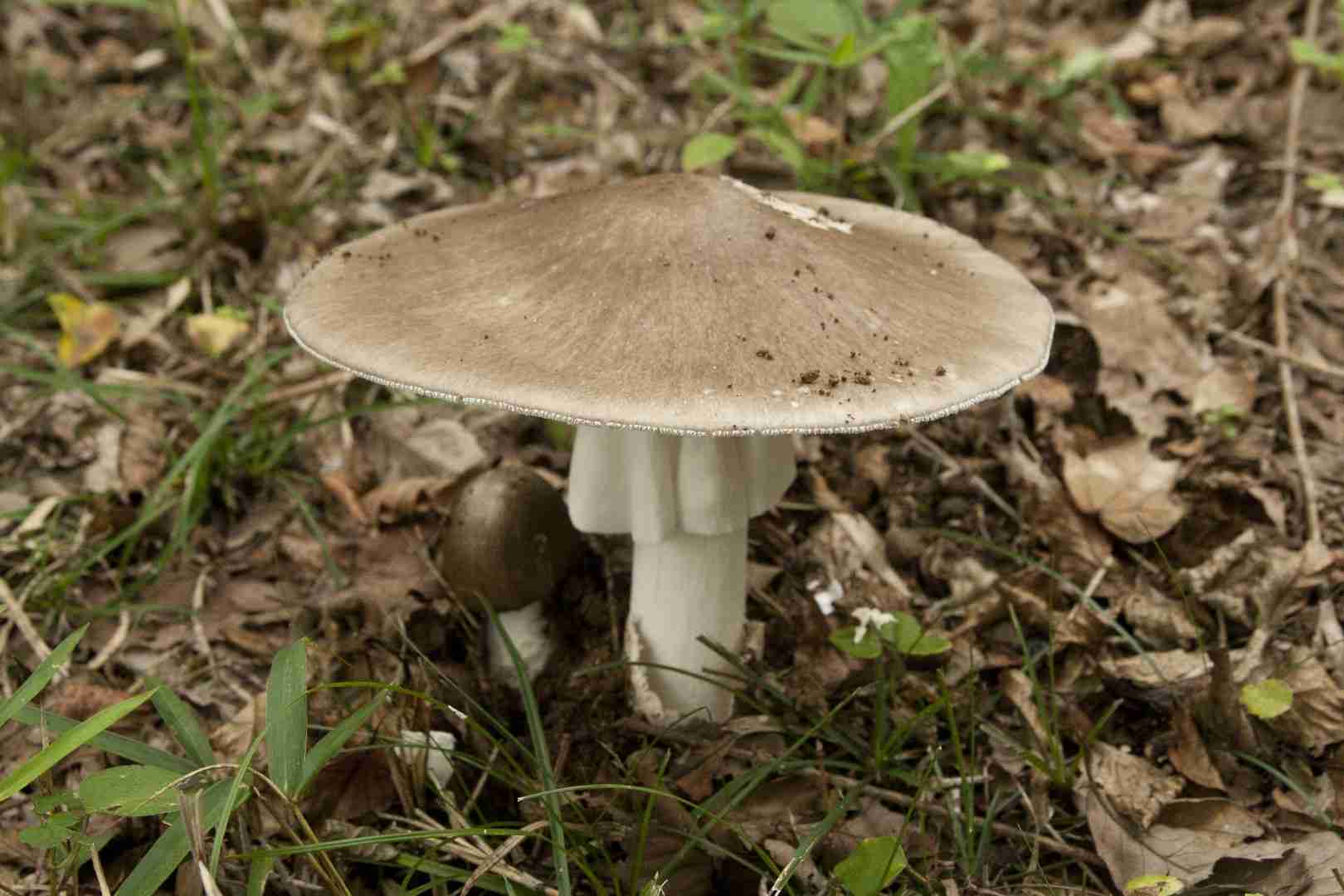
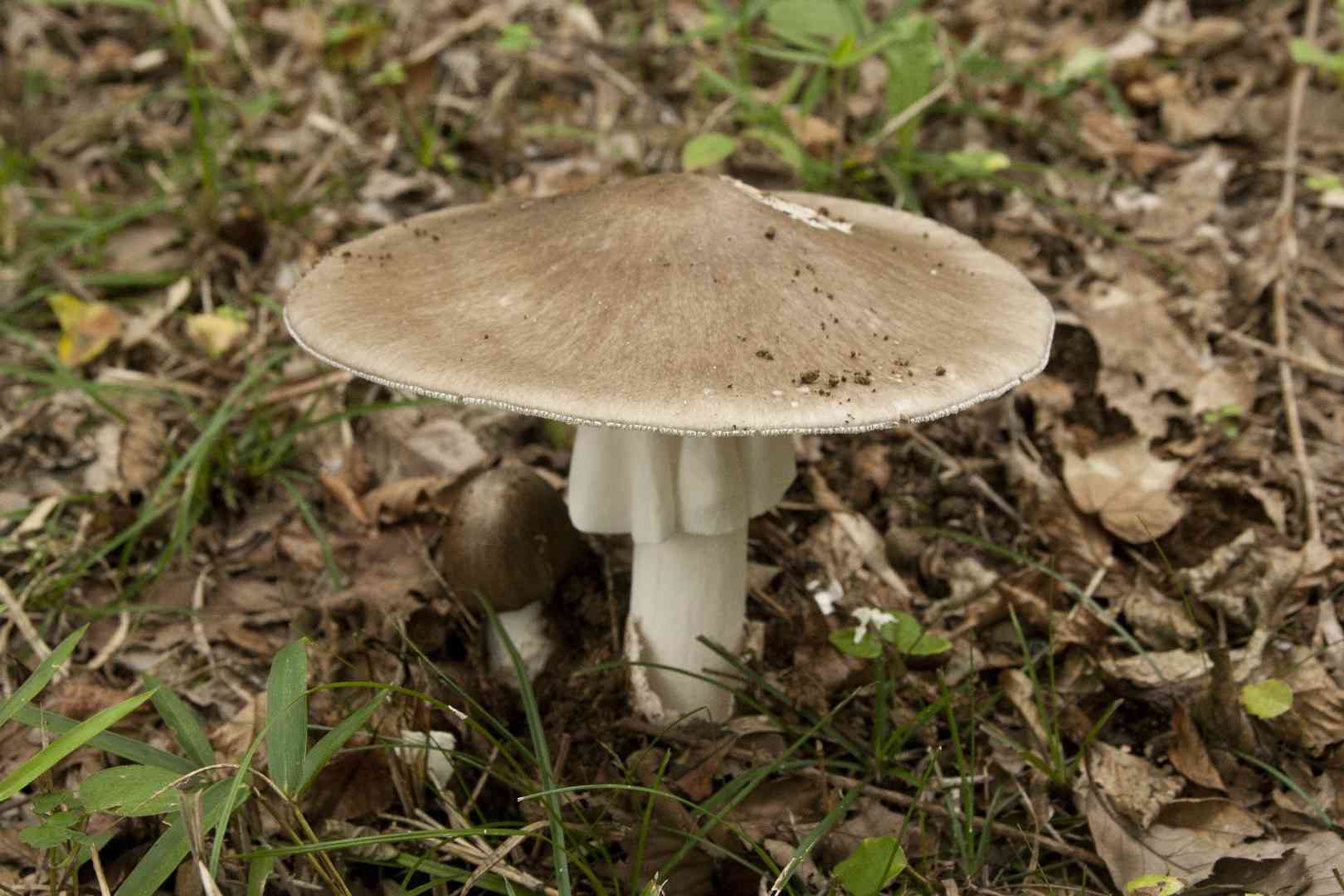
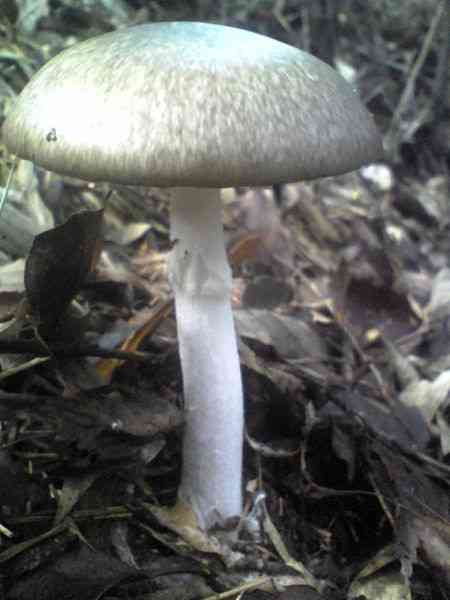
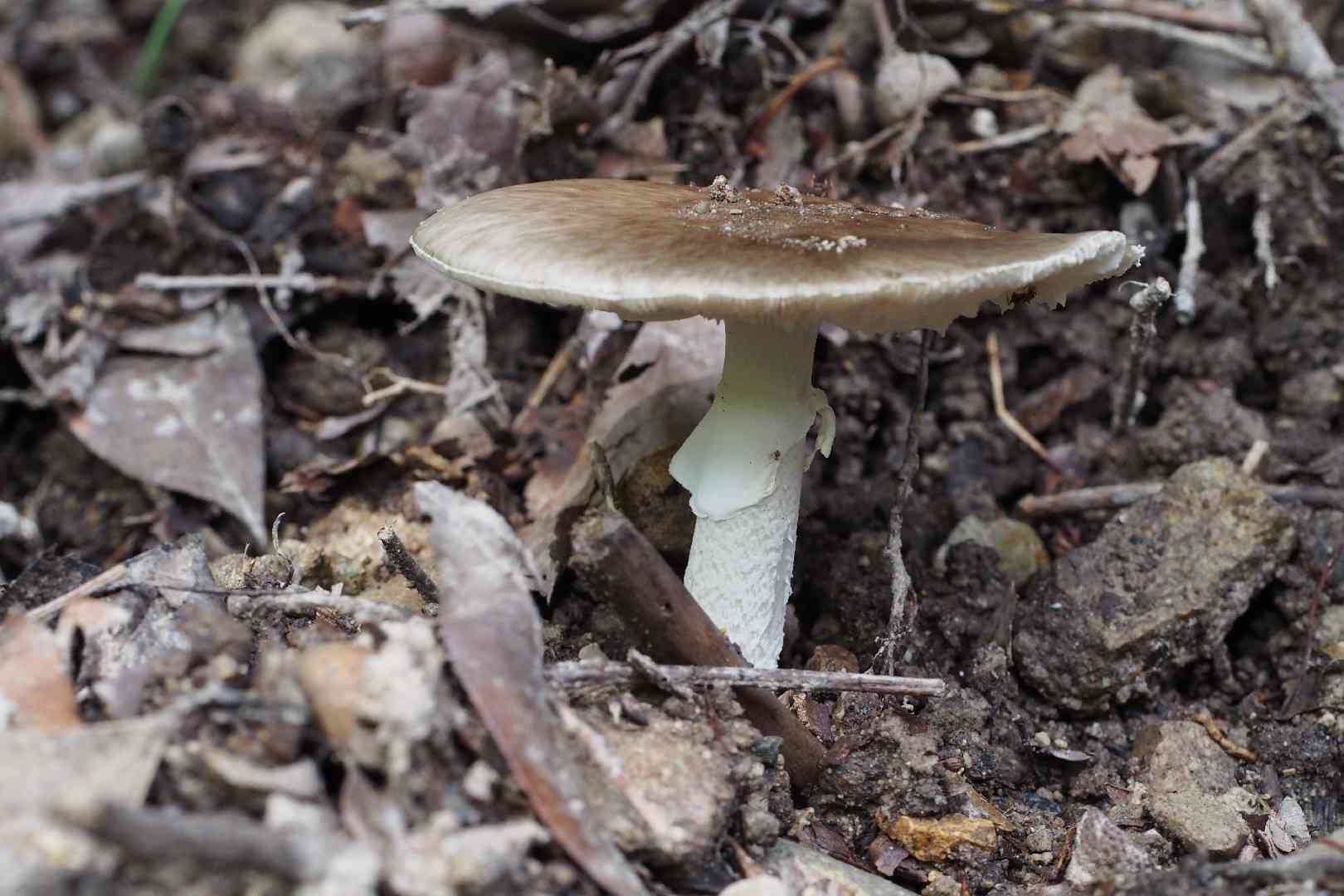
Hongo's false death cap is a notable member of a fungal family recognized for its unique look. Typically found in wooded environments, this species emerges during the summer and autumn months. It presents a cap that spans from shades of gray to purple, complemented by white gills on its underside. Hongo's false death cap forms a mutually beneficial partnership with trees, facilitating the exchange of nutrients.
Attributes of Hongo's false death cap
Scientific Classification of Hongo's false death cap
Toxicity and Edibility of Hongo's false death cap
Is Hongo's false death cap Toxic?
Hongo's false death cap is a toxic mushroom that, if accidentally eaten, can cause kidney damage. Initial symptoms of gastroenteritis typically appear 8 to 12 hours after consumption. However, the signs of kidney damage, such as reduced or absent urine output and eventual kidney failure, might not become apparent until 1 to 2 weeks later.

