Grey veiled Amanita

Amanita porphyria

A species of Amanita mushrooms. Also known as Booted Amanita, Purplish Amanita.

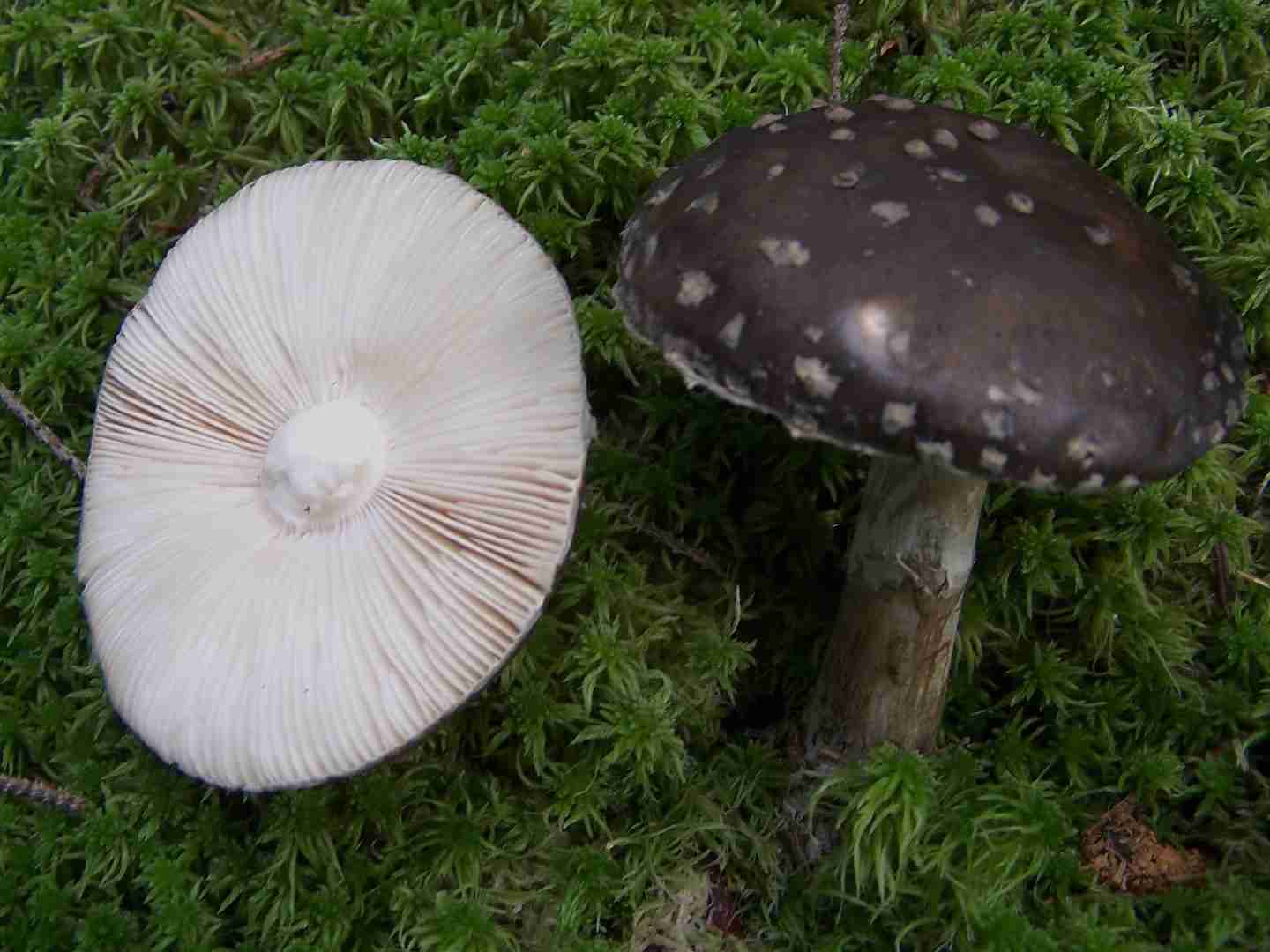
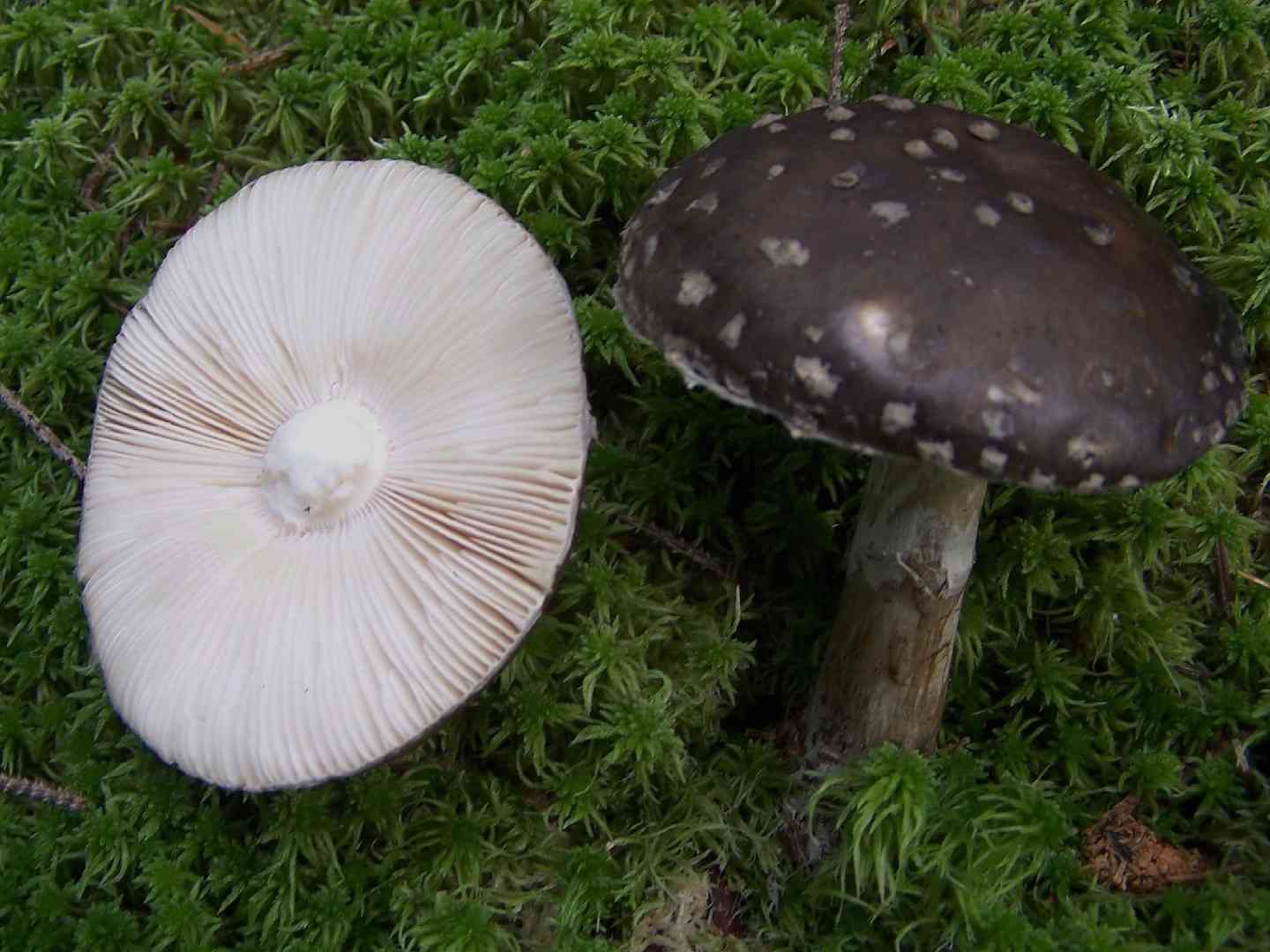
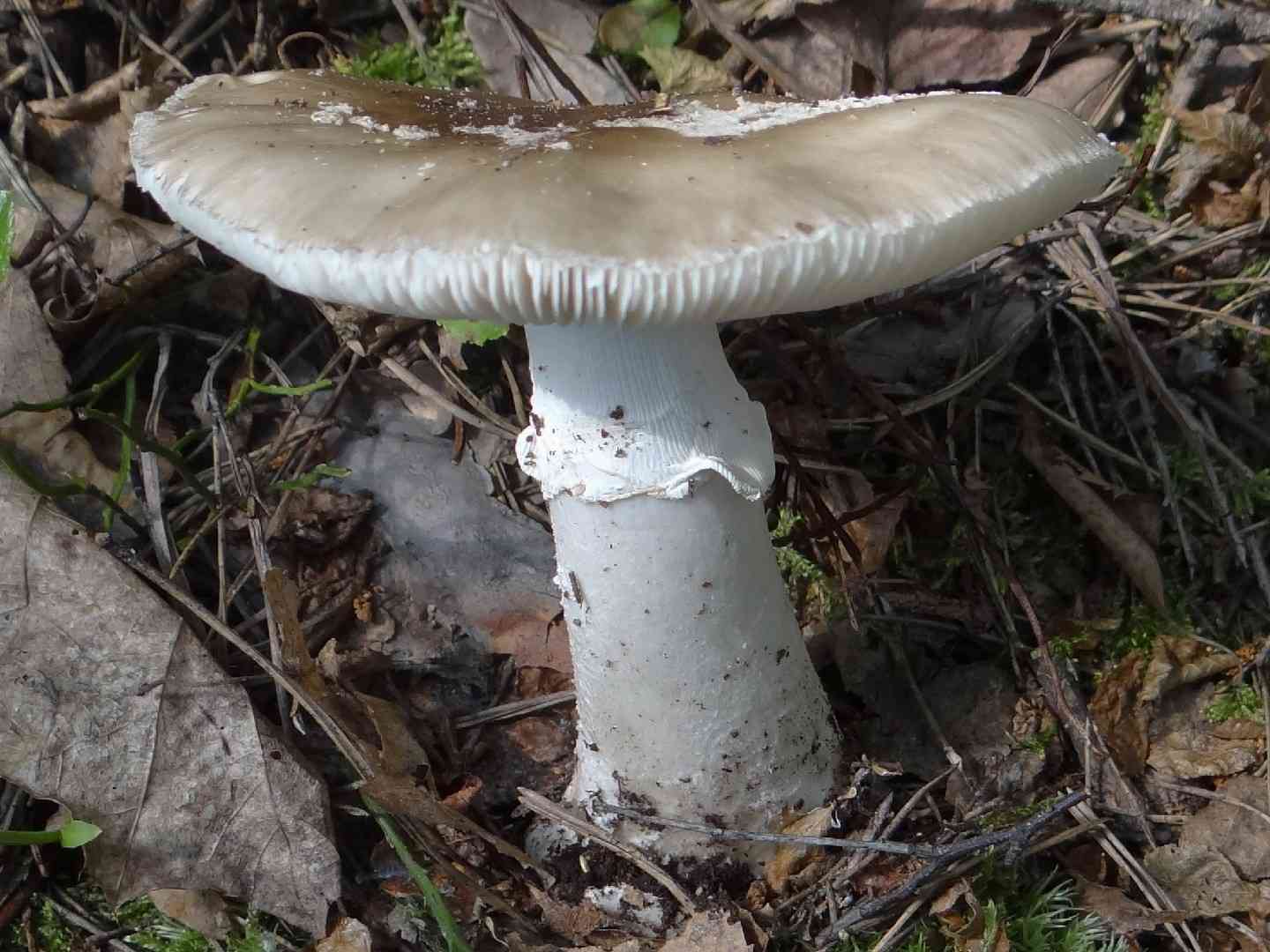
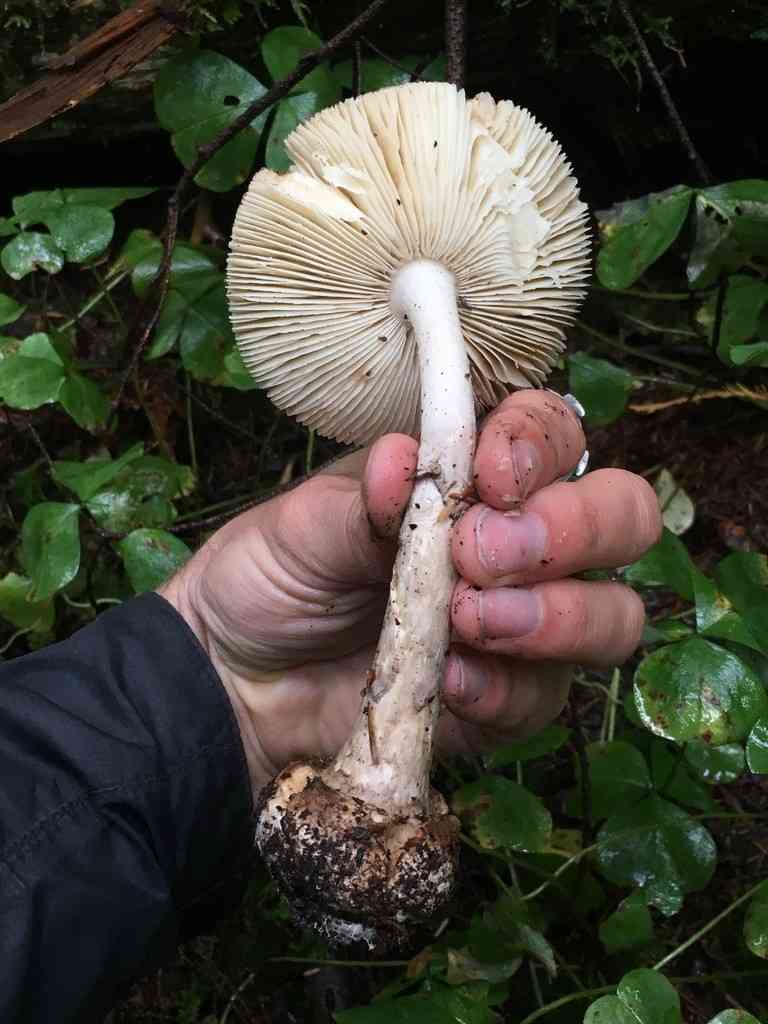
The grey veiled Amanita is remarkably well-camouflaged, making it quite easy to miss as it seamlessly blends into the conifer debris covering the forest floor. Its most distinctive features are the large, abruptly swollen base of its stem and its unique purple-gray hue. This Amanita can be found in woodland environments during the late summer and early autumn months.

In This Article
Attributes Classification Toxicity

Attributes of Grey veiled Amanita

ForwardPlant - ID plants and mushrooms, and learn more about them🌿

Identify and diagnose plants, get toxicity alerts, and explore safety guides for all types of fungi.

Try for Free
Cap Diameter
5 - 12 cm
Height
7 - 15 cm
Cap
Cap 3 - 12 cm; convex; brown, gray warts or patches; sticky at first, bald; the margin not prominently lined
Cap Shape
Convex, Flat, Central Bump
Cap Surfaces
Fibrillose-scaly, Warted, Slimy or slightly sticky, Visible lines or stripes
Gills
Free, attached; close; white, sometimes grayish or bruising grayish in age
Gill Attachment
Free
Stem
Stem 5 - 12 cm long, 1 - 1.5 cm thick; equal above; bald above the ring
Stem Shapes
Bulbous
Stem Surfaces
Fibrillose
Flesh
White throughout
Volva
Grayish
Ring
With Ring
Spore Print Color
White
Odor
Mildly earthy, occasionally turnip-like with age.
Body Color
BrownGrayPurple
Flesh Bruises
The flesh or milk does not discolor when bruised or cut.
Growth Form
Scattered, Gregarious
Nutrient Gathering
Mycorrhizal
Substrate
On soil
You can find Grey veiled Amanita by these plants
Eastern hemlock, Spruces, Pines
Occurence Habitats
Coniferous Woodland
Species Status
Fairly common
Endangered Species
No

Scientific Classification of Grey veiled Amanita

ForwardPlant APP

AI mushroom expert in your pocket

Try for Free
Phylum
Club fungi
Class
Mushroom-forming fungi
Order
Gilled fungi
Family
Amanita
Genus
Amanita mushrooms
⚠️

Toxicity and Edibility of Grey veiled Amanita

ForwardPlant: Identify & Forage

Your Essential Guide to Edible vs. Toxic Mushrooms. Forage with Confidence!

Try for Free

Is Grey veiled Amanita Toxic?

The grey veiled Amanita, a mushroom frequently observed in moist, forested habitats from late summer through early autumn, presents significant health risks. Beyond its inherent neurotoxicity, consuming this fungus can induce severe cardiovascular and psychological responses. These include an accelerated heartbeat, constricted blood vessels, altered perceptions, and profound mental disarray. A key identifying characteristic of this particular species, differentiating it from harmless varieties, is its distinctive grey veil.


Toxins type
Bufotenin
Type of poisoning
Neurotoxic
Toxic Severity
Low to high toxicity
Incubation Period
0.5-4 hours
Poisoning Symptoms
Symptoms may include rapid heart rate, narrowed blood vessels, and altered perceptions, possibly accompanied by an increased risk of blood clots. Individuals may experience confusion, elevated mood, anxiety, and in severe cases, psychotic episodes.