False Caesar's mushroom
Amanita parcivolvata
A species of Amanita mushrooms.
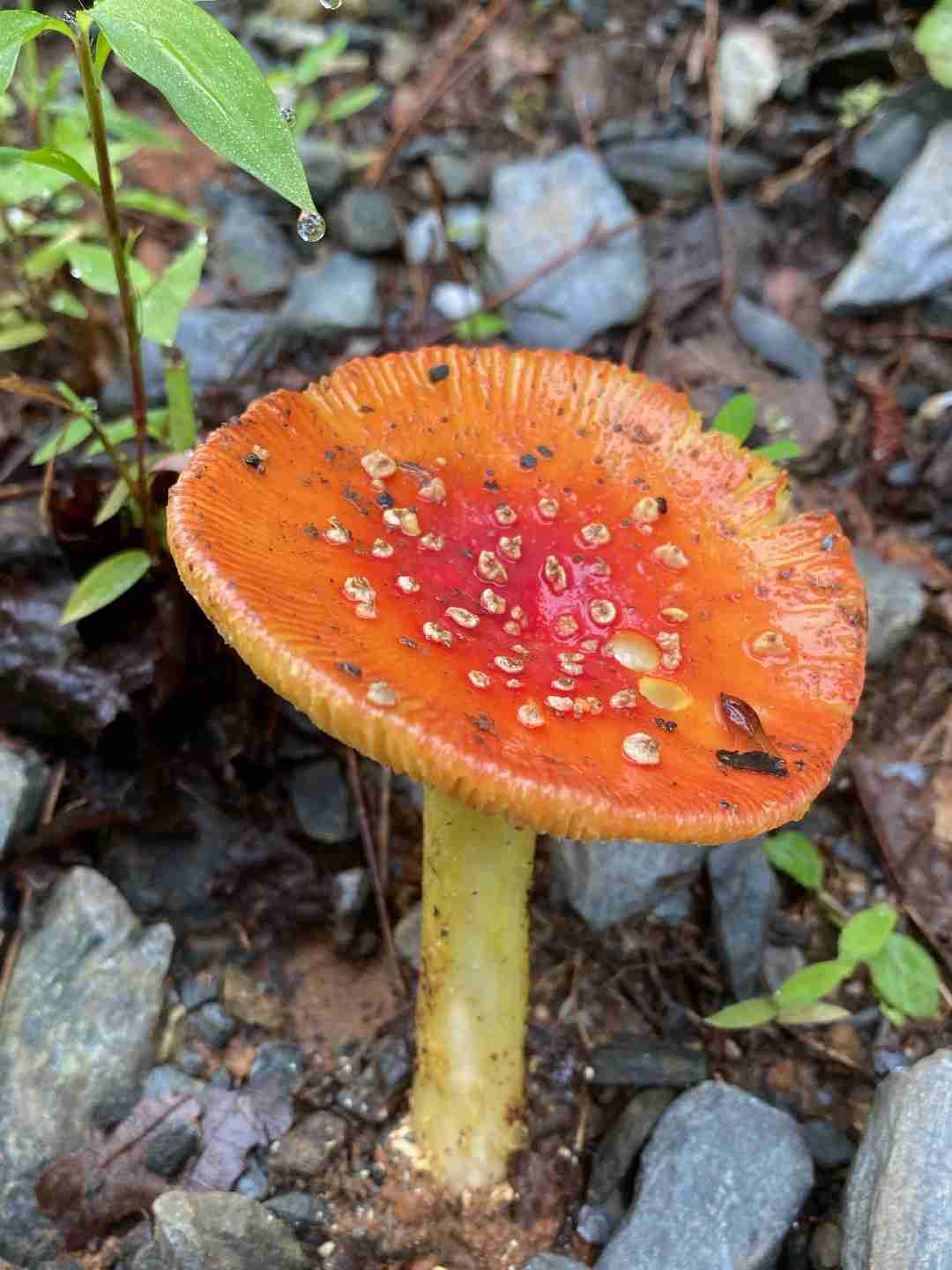
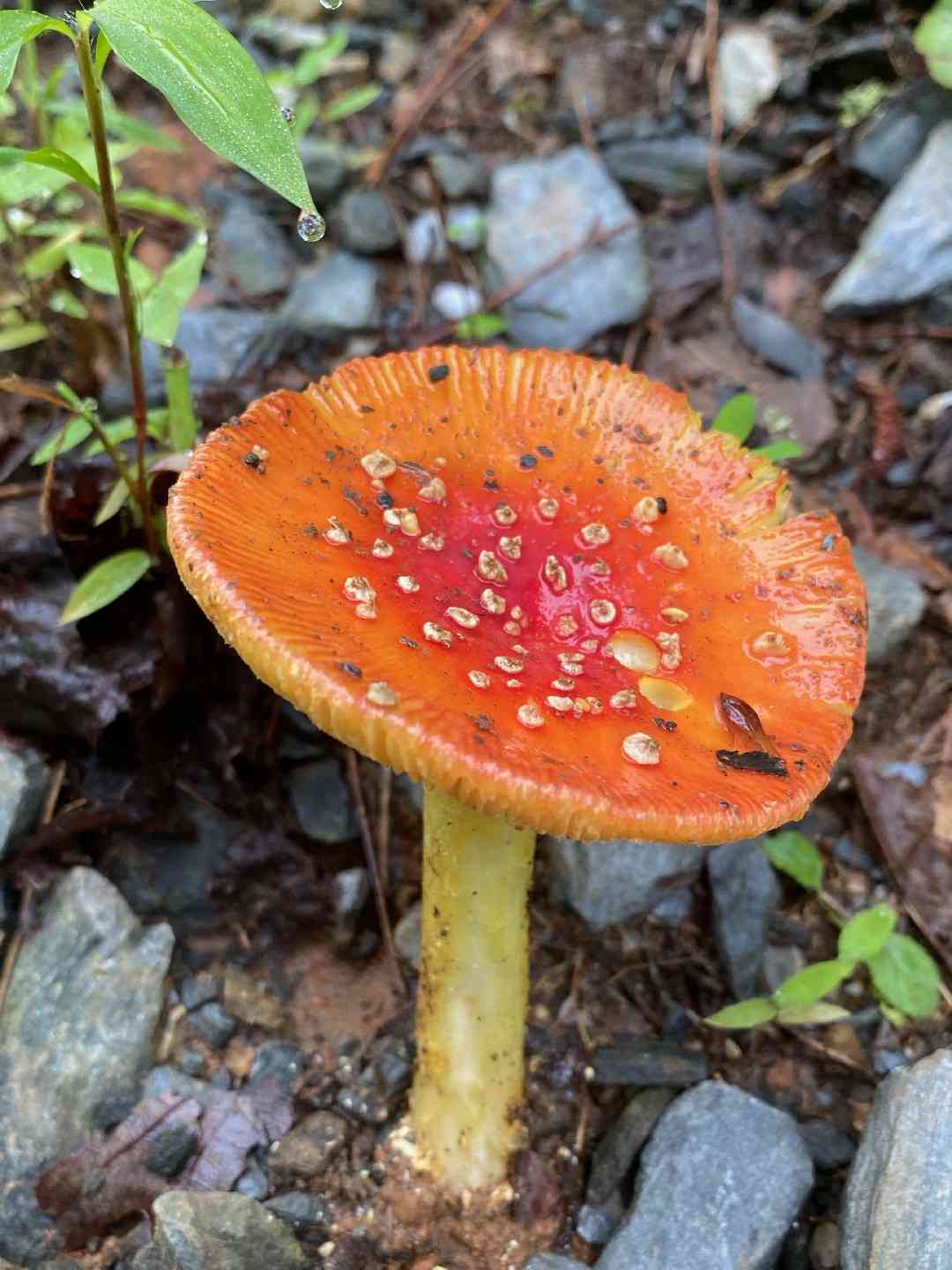
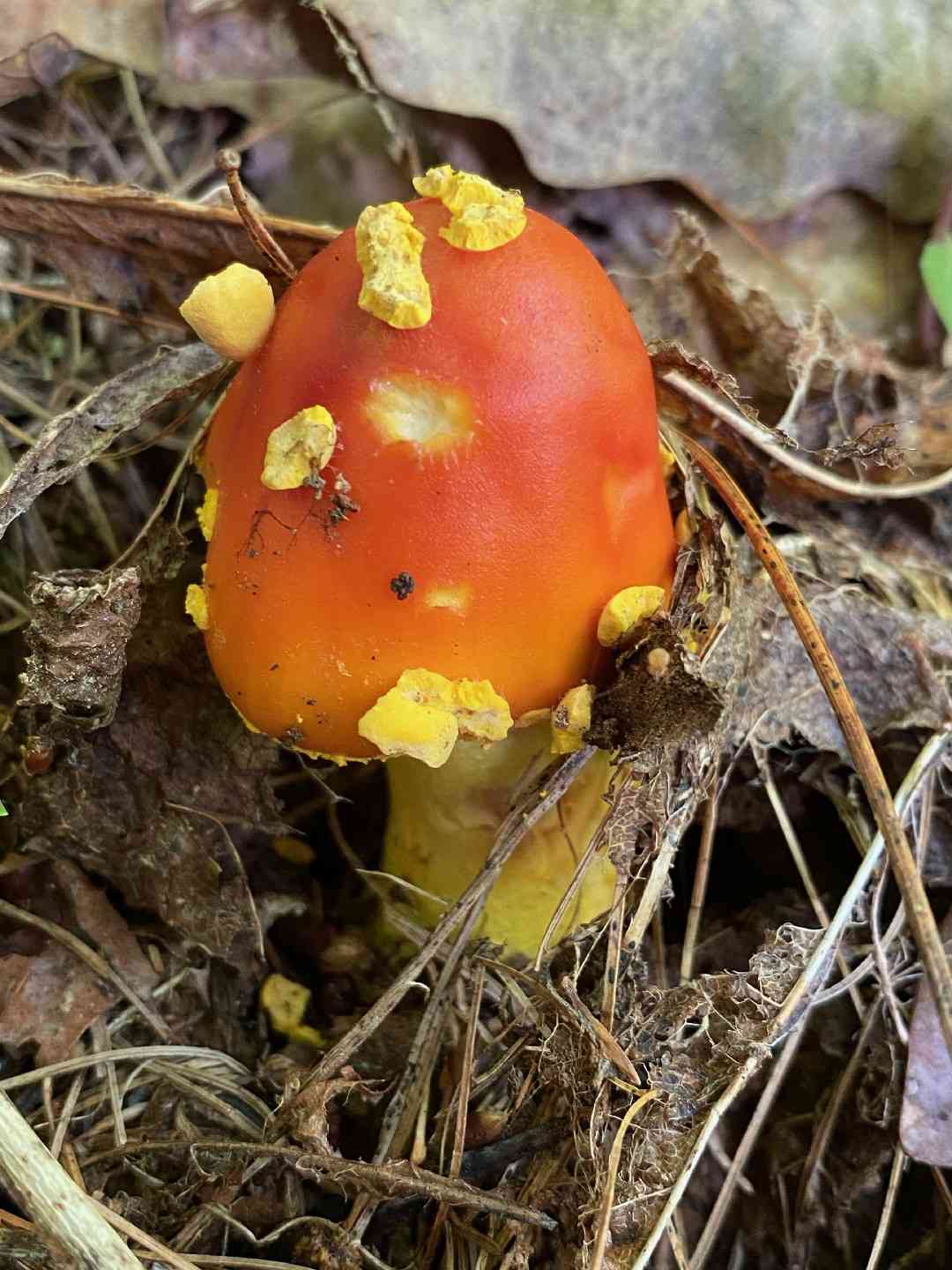
The Amanita parcivolvata, often called the false Caesar's mushroom, presents an almost amusing appearance, reminiscent of a cartoon depiction. Its vivid red, dome-shaped cap rests upon a stem of strikingly different coloration. This cap is further distinguished by prominent yellow warts, which serve to differentiate it from other mushrooms within its genus.
In This Article
Attributes of False Caesar's mushroom
Cap Diameter
2 - 8 cm
Height
5 - 15 cm
Cap
Cap 3 - 7 cm across; convex, or flat; white to yellowish, red to orange-red or orange
Cap Shape
Convex, Flat, Depressed
Cap Surfaces
Warted, Slimy or slightly sticky, Visible lines or stripes
Gills
Free; close, crowded; creamy to pale yellow
Gill Attachment
Free
Stem
Stem 4 - 12 cm long, 1.5 cm thick; tapering slightly to the apex; pale yellow
Stem Shapes
Club Shaped
Stem Surfaces
Smooth to slightly fibrous
Flesh
Pale yellow; unchanging when sliced
Volva
Whitish to yellow
Ring
Ringless
Spore Print Color
White
Odor
Faint, typically undistinguished mushroom smell.
Body Color
YellowRedWhiteOrange
Flesh Bruises
The flesh or milk does not discolor when bruised or cut.
Growth Form
Solitary, Gregarious
Nutrient Gathering
Mycorrhizal
Substrate
On soil
You can find False Caesar's mushroom by these plants
Oaks, Pines
Occurence Habitats
Mixed Woodland, Disturbed Lands
Species Status
Occasional to common
Endangered Species
No
Scientific Classification of False Caesar's mushroom
Phylum
Club fungi
Class
Mushroom-forming fungi
Order
Gilled fungi
Family
Amanita
Genus
Amanita mushrooms
Toxicity and Edibility of False Caesar's mushroom
Is False Caesar's mushroom Toxic?
The lookalike Caesar's mushroom can be lethally toxic. Certain varieties of Amanita are extremely dangerous if consumed by mistake. Avoid contact with this fungus.

