Small funnel-veil amanita
Amanita multisquamosa
A species of Amanita mushrooms.
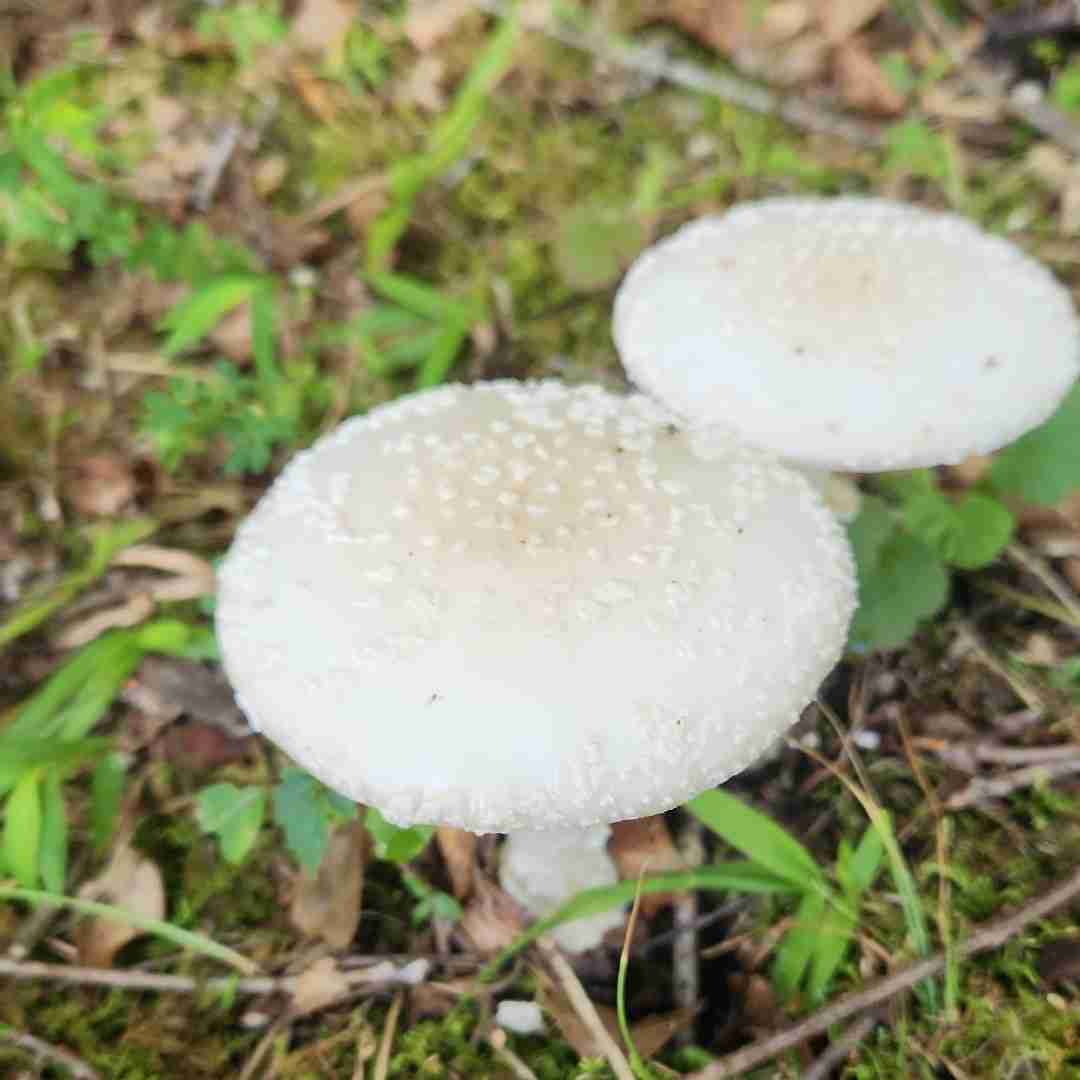
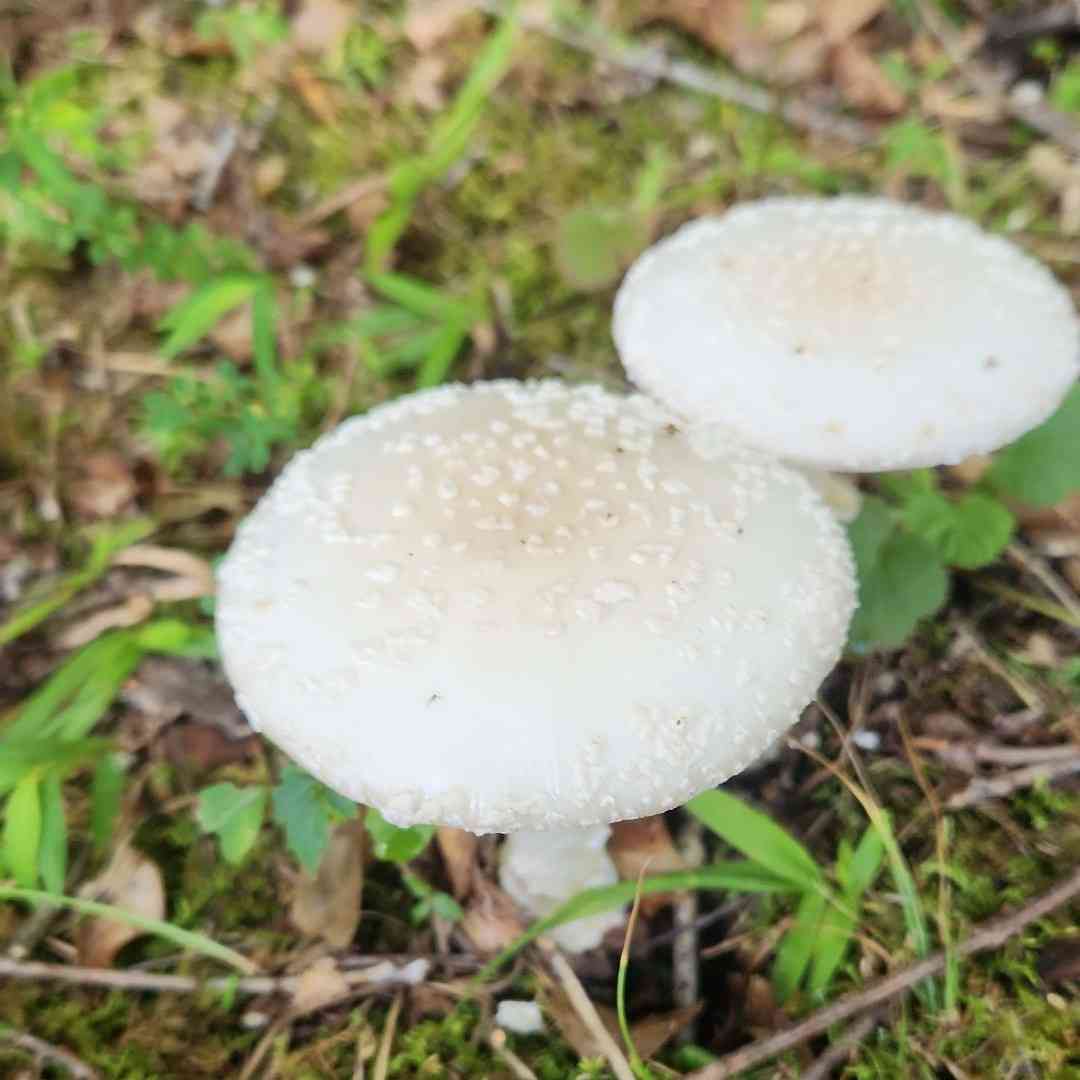
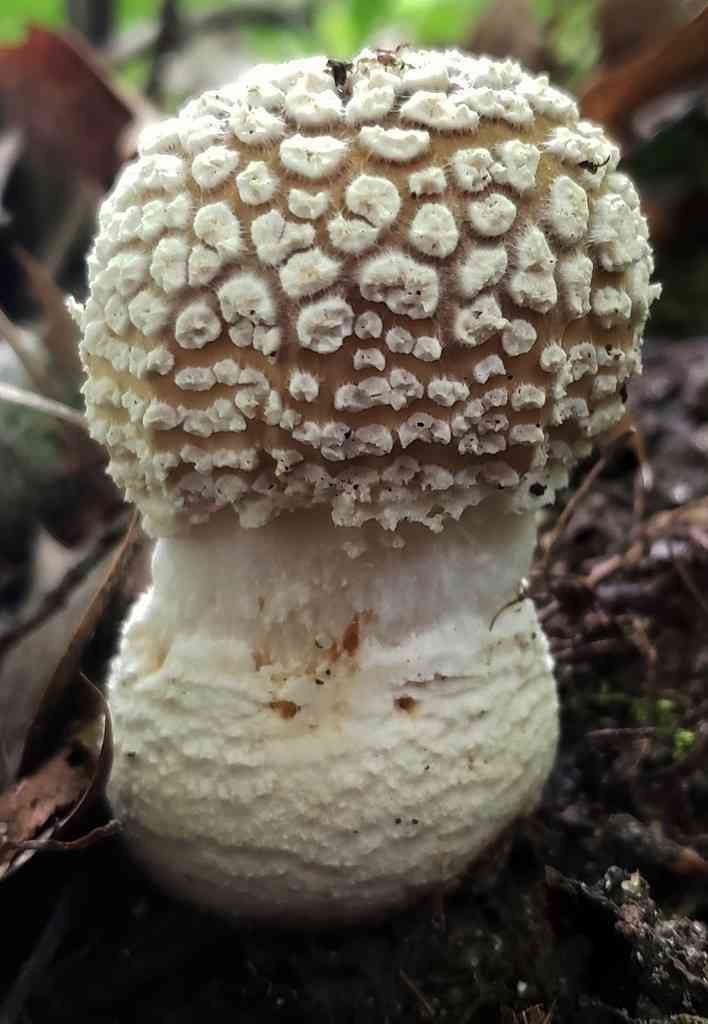
The distinctive small funnel-veil amanita, easily identified by its cream-colored stem and umbrella-like cap adorned with small warts, predominantly flourishes in deciduous woods but can also be spotted beneath conifers.
In This Article
Attributes of Small funnel-veil amanita
Cap Diameter
3 - 11 cm
Height
8 - 15 cm
Cap
Cap 3.5 - 10 cm; convex, or flat; pale whitish; tacky when fresh, bald; margin finely lined at maturity
Cap Shape
Convex, Flat
Cap Surfaces
Warted, Visible lines or stripes
Gills
Free; close or crowded; white; with frequent short-gills
Gill Attachment
Free
Stem
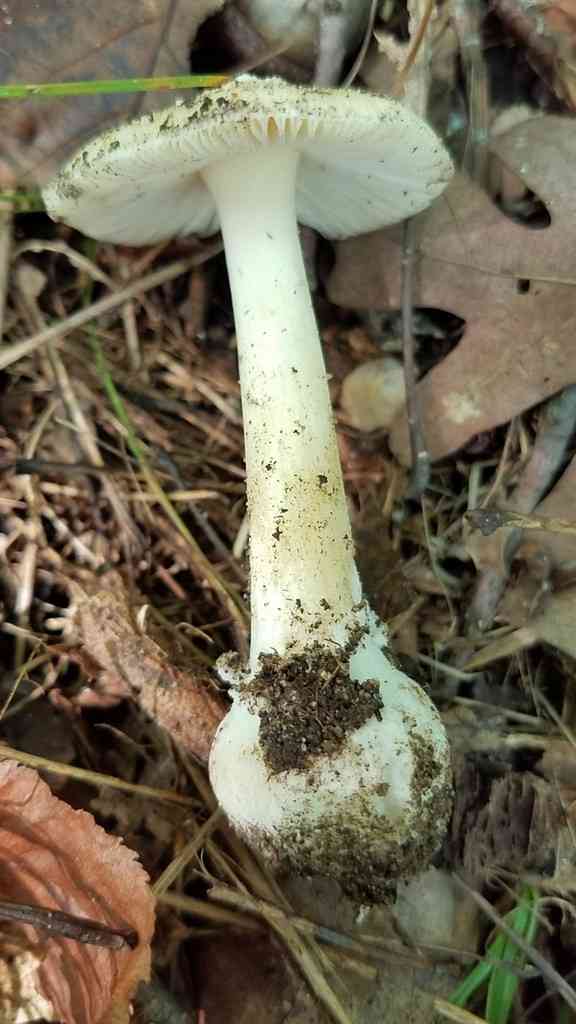
Stem 8 - 13 cm long, 5 - 15 mm thick; equal, or tapering to apex; whitish; bald above the ring but slightly shaggy below it
Stem Shapes
Club Shaped
Stem Surfaces
Scaly
Flesh
Thin; white throughout;
Volva
Adherent; white
Ring
With Ring
Spore Print Color
White
Odor
Mild, non-distinct mushroomy smell.
Body Color
BrownYellowWhite
Flesh Bruises
The flesh or milk does not discolor when bruised or cut.
Growth Form
Solitary, Scattered, Gregarious
Nutrient Gathering
Mycorrhizal
Substrate
On soil
You can find Small funnel-veil amanita by these plants
Pines, Oaks, Spruces
Occurence Habitats
Deciduous Woodland
Species Status
Widely distributed east of the Great Plains
Endangered Species
No
Scientific Classification of Small funnel-veil amanita
Phylum
Club fungi
Class
Mushroom-forming fungi
Order
Gilled fungi
Family
Amanita
Genus
Amanita mushrooms
Toxicity and Edibility of Small funnel-veil amanita
Is Small funnel-veil amanita Toxic?
The small funnel-veil Amanita poses a fatal risk due to its potent toxins. Certain Amanita species are extremely dangerous if consumed by mistake, so avoid this mushroom.

