
Solitary amanita

Amanita echinocephala

A species of Amanita mushrooms. Also known as European solitary lepidella.

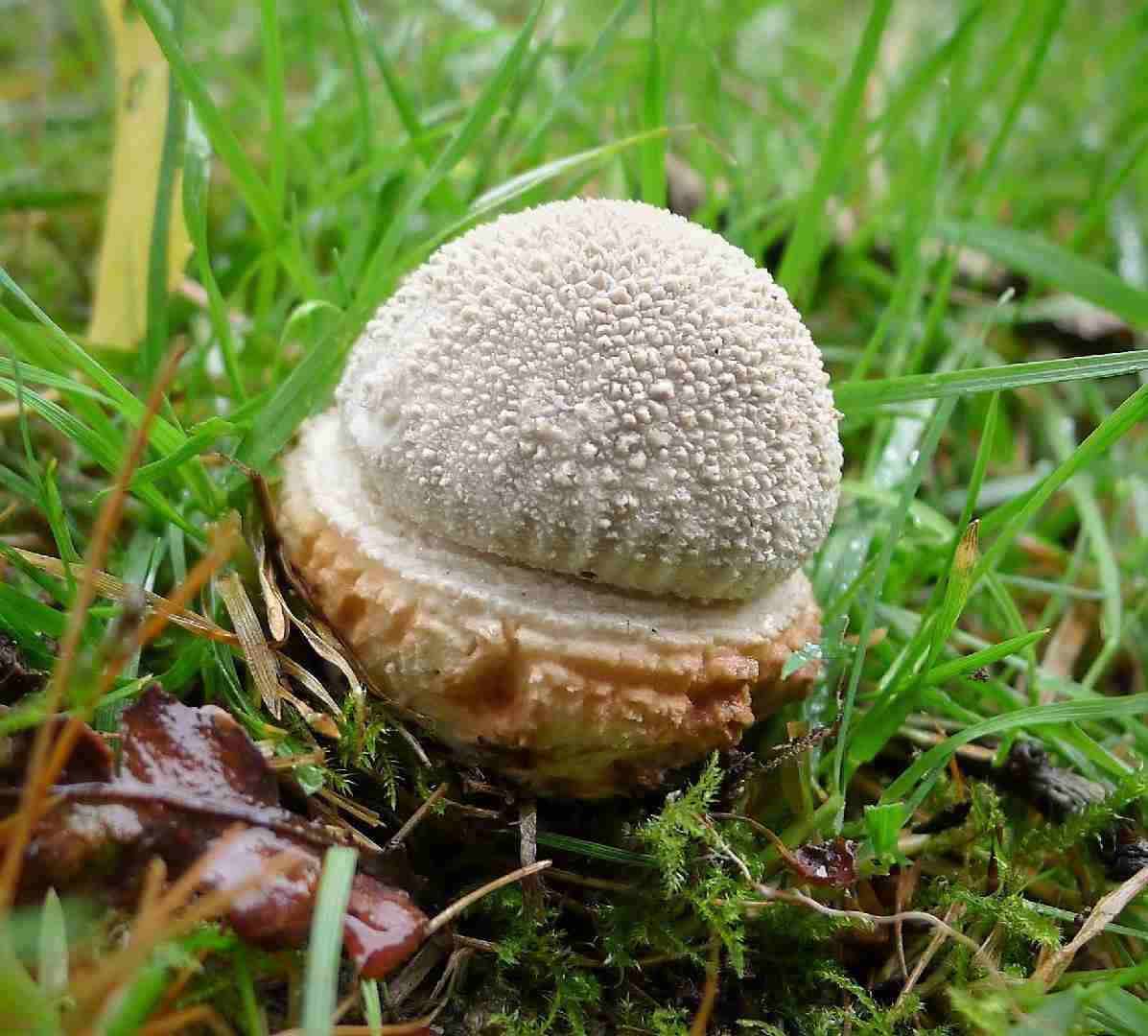
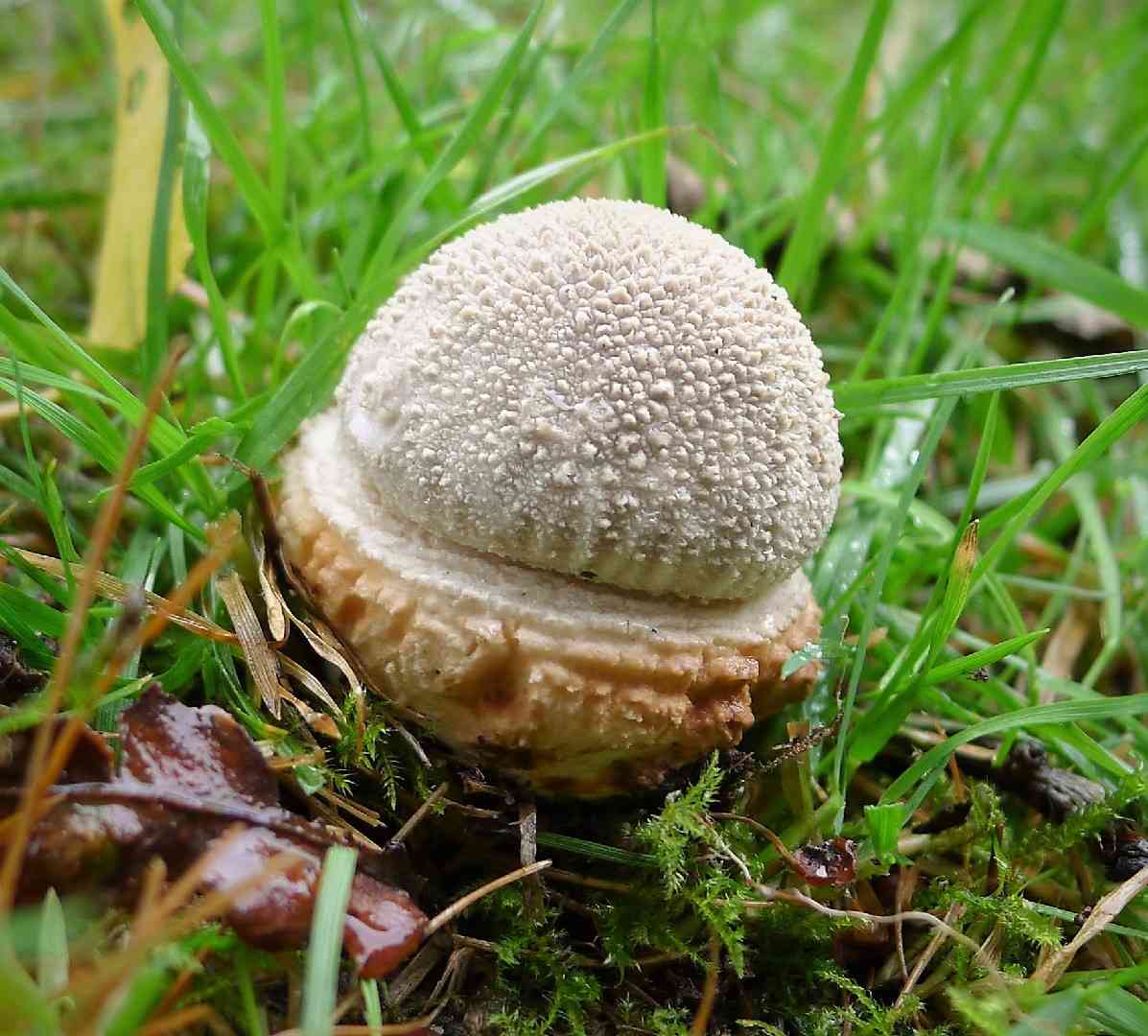
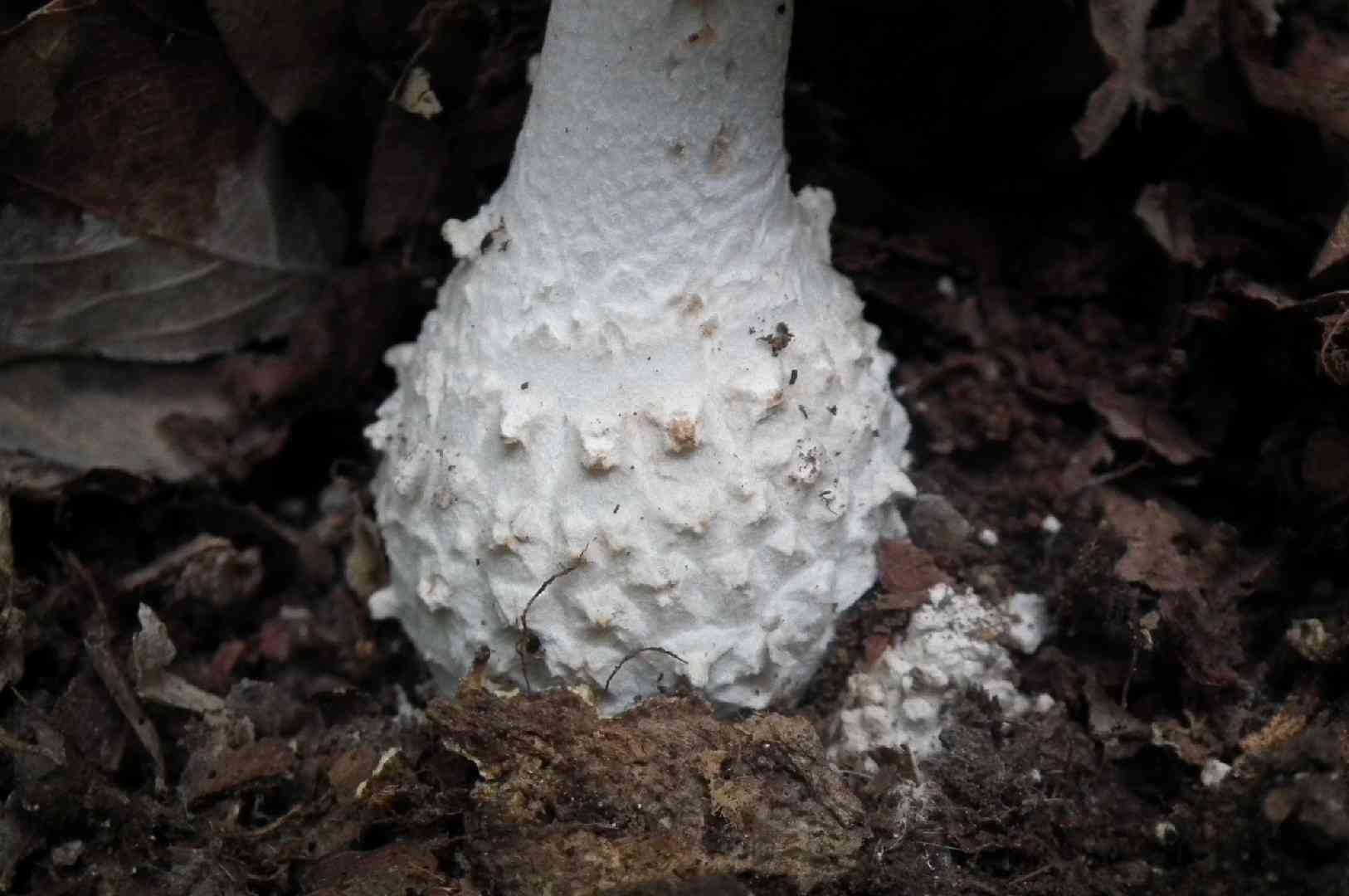
A unique fungus, the solitary amanita, stands out with its sizable, light-colored cap adorned with prickly protrusions. It commonly thrives individually in diverse woodlands, engaging in mutualistic relationships with trees. Appearing from summer through autumn, it shows a partiality for alkaline soils. Underneath its cap, noticeable gills are present, along with a swollen base encircled by a ring, visible upon careful examination.

In This Article
Attributes Classification Toxicity

Attributes of Solitary amanita

ForwardPlant - ID plants and mushrooms, and learn more about them🌿

Identify and diagnose plants, get toxicity alerts, and explore safety guides for all types of fungi.

Try for Free
Cap Diameter
10 - 20 cm
Height
8 - 20 cm
Cap
Cap 15 cm across; white to ivory to silver-grey; with veil remnants
Cap Shape
Convex, Flat
Cap Surfaces
Warted
Gills
Decurrent, free; cream
Gill Attachment
Free to Attached
Stem
Stem 8 - 16 cm long, 2 - 3 cm thick; bulbous; white to ivory
Stem Shapes
Bulbous
Stem Surfaces
Smooth
Flesh
White
Ring
With Ring
Spore Print Color
White
Odor
Faintly unpleasant, not distinctive.
Body Color
GrayWhiteCream
Flesh Bruises
The flesh or milk does not discolor when bruised or cut.
Growth Form
Solitary
Nutrient Gathering
Mycorrhizal
Substrate
On soil
You can find Solitary amanita by these plants
Spruces, Pines, Oaks
Occurence Habitats
Mixed Woodland
Species Status
Rare
Endangered Species
Yes

Scientific Classification of Solitary amanita

ForwardPlant APP

AI mushroom expert in your pocket

Try for Free
Phylum
Club fungi
Class
Mushroom-forming fungi
Order
Gilled fungi
Family
Amanita
Genus
Amanita mushrooms
⚠️

Toxicity and Edibility of Solitary amanita

ForwardPlant: Identify & Forage

Your Essential Guide to Edible vs. Toxic Mushrooms. Forage with Confidence!

Try for Free

Is Solitary amanita Toxic?

The isolated amanita is a mushroom that's toxic to the kidneys. Initially, people often experience gastrointestinal problems and repeated vomiting after eating it. These early signs can develop into kidney discomfort, decreased urine production, and elevated blood pressure. Around 3 to 4 days after ingestion, minor liver issues and potential kidney damage, specifically a type called tubulointerstitial nephritis, may become apparent.


Toxins type
2‐amino‐4,5‐ hexadienoic acid
Type of poisoning
Nephrotoxic
Toxic Severity
Extreme toxicity
Incubation Period
12 hours (indication: nausea), 36 hours (indication: vomiting, limited urination)
Poisoning Symptoms
Initial Reactions: Stomach issues,Frequent vomiting, may lessen after a while Symptoms can progress to include more vomiting, pain in the kidney area, decreased urine output, and elevated blood pressure. After 3-4 days: there may be slight liver impairment and potential kidney damage, specifically tubulointerstitial nephritis.