Poison Champagne Amanita
Amanita crenulata
A species of Amanita mushrooms.
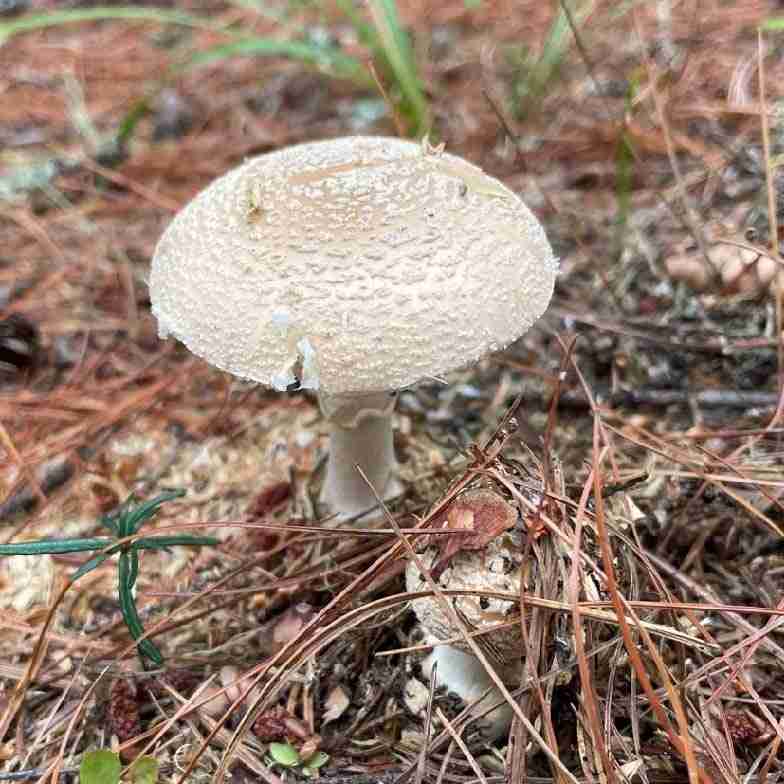
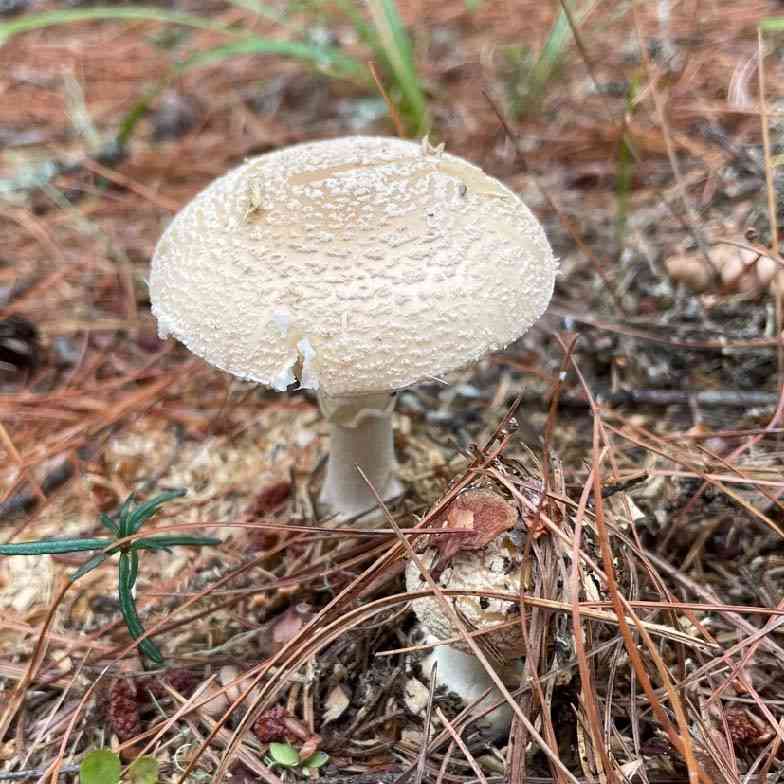
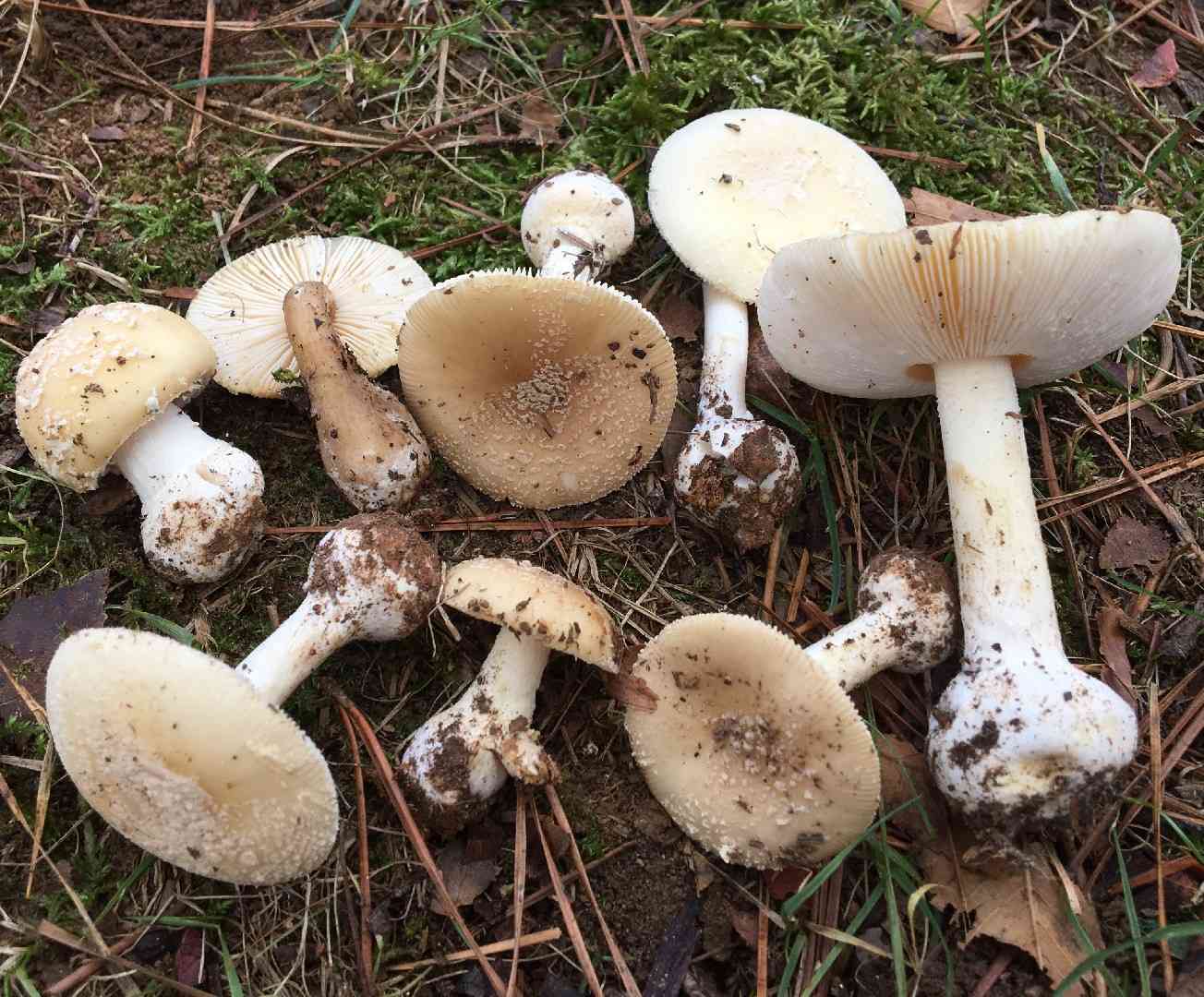
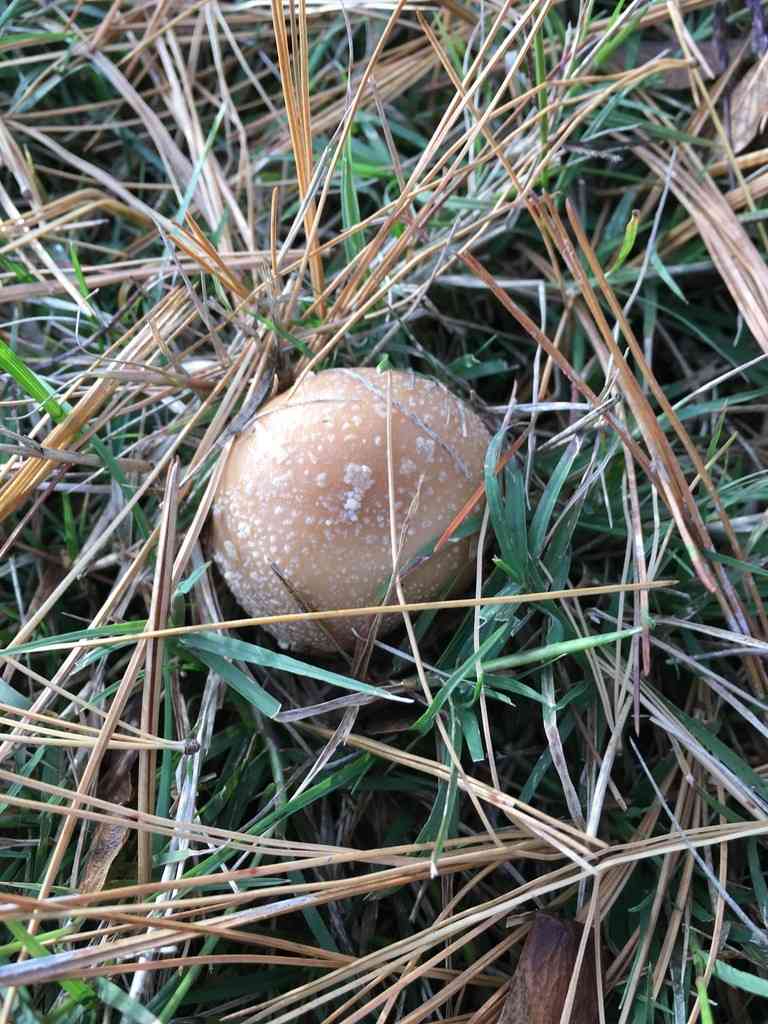
The Amanita Poison Champagne variety is characterized by its yellow cap adorned with champagne-hued, wart-like growths. This species engages in a mycorrhizal relationship, establishing subterranean networks with various trees to facilitate nutrient exchange. Typically appearing in autumn, the Poison Champagne Amanita is highly toxic and has been linked to incidents of poisoning.
In This Article
Attributes of Poison Champagne Amanita
Cap Diameter
2 - 9 cm
Cap
Cap 2 - 9 cm across; hemispheric to flat; pale tan, grayish, yellowish
Gills
Narrowly adnate; close to subcrowded; white to cream
Stem
Stem 1.7 - 10 cm long, 3.5 - 16 mm thick
Flesh
Thin; white staining slightly yellow
Volva
Collar-like; powdery; paler
Ring
Pileus margin; skirt-like; white
Spore Print Color
White
Odor
Mildly mushroomy but not distinctive.
Body Color
YellowGray
Flesh Bruises
The flesh or milk does not discolor when bruised or cut.
Growth Form
Solitary, Scattered
Nutrient Gathering
Mycorrhizal
Substrate
On soil
You can find Poison Champagne Amanita by these plants
Pitch pine
Species Status
Very common
Endangered Species
No
Scientific Classification of Poison Champagne Amanita
Phylum
Club fungi
Class
Mushroom-forming fungi
Order
Gilled fungi
Family
Amanita
Genus
Amanita mushrooms
Toxicity and Edibility of Poison Champagne Amanita
Is Poison Champagne Amanita Toxic?
Toxicity information is not available for this mushroom. Always consult with an expert before consuming any wild mushrooms.

