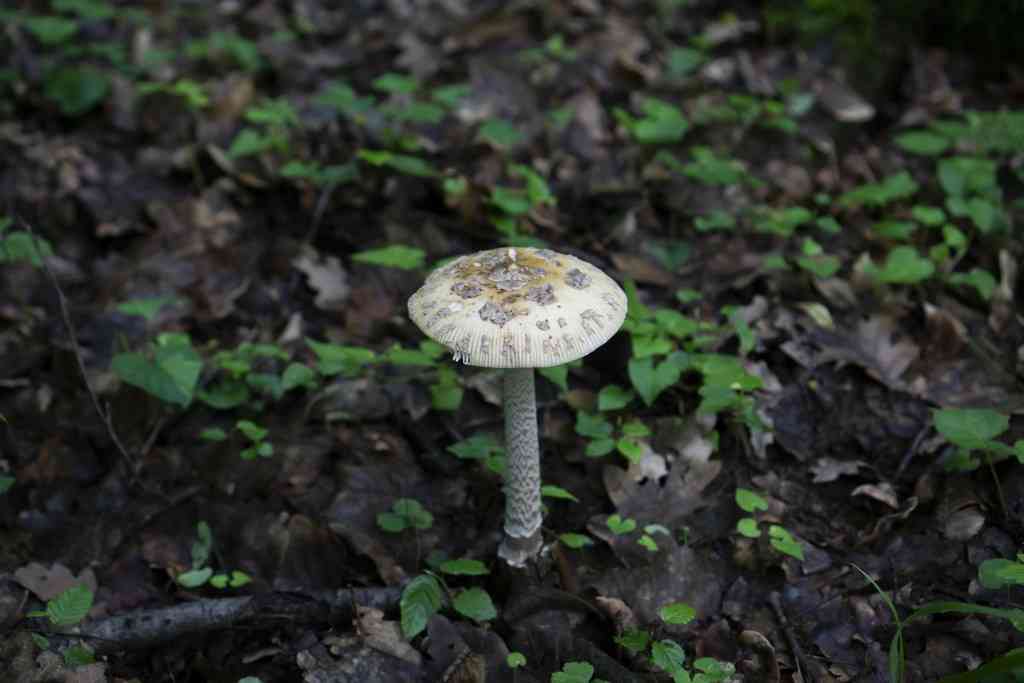
Snakeskin grisette
Amanita ceciliae
A species of Amanita mushrooms. Also known as Cecilia's ringless amanita.
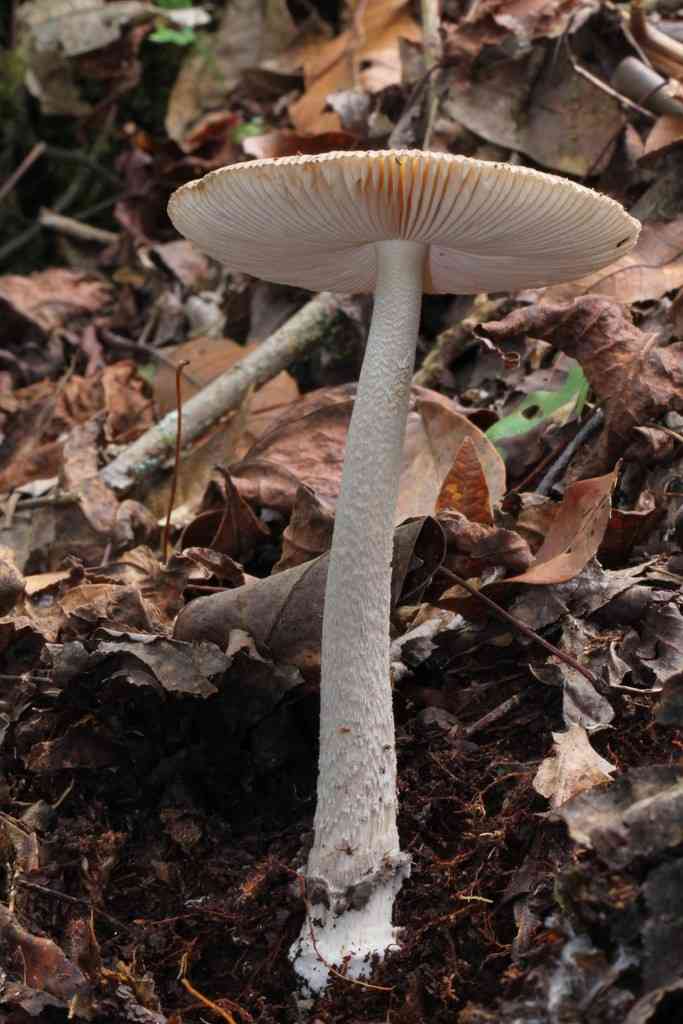
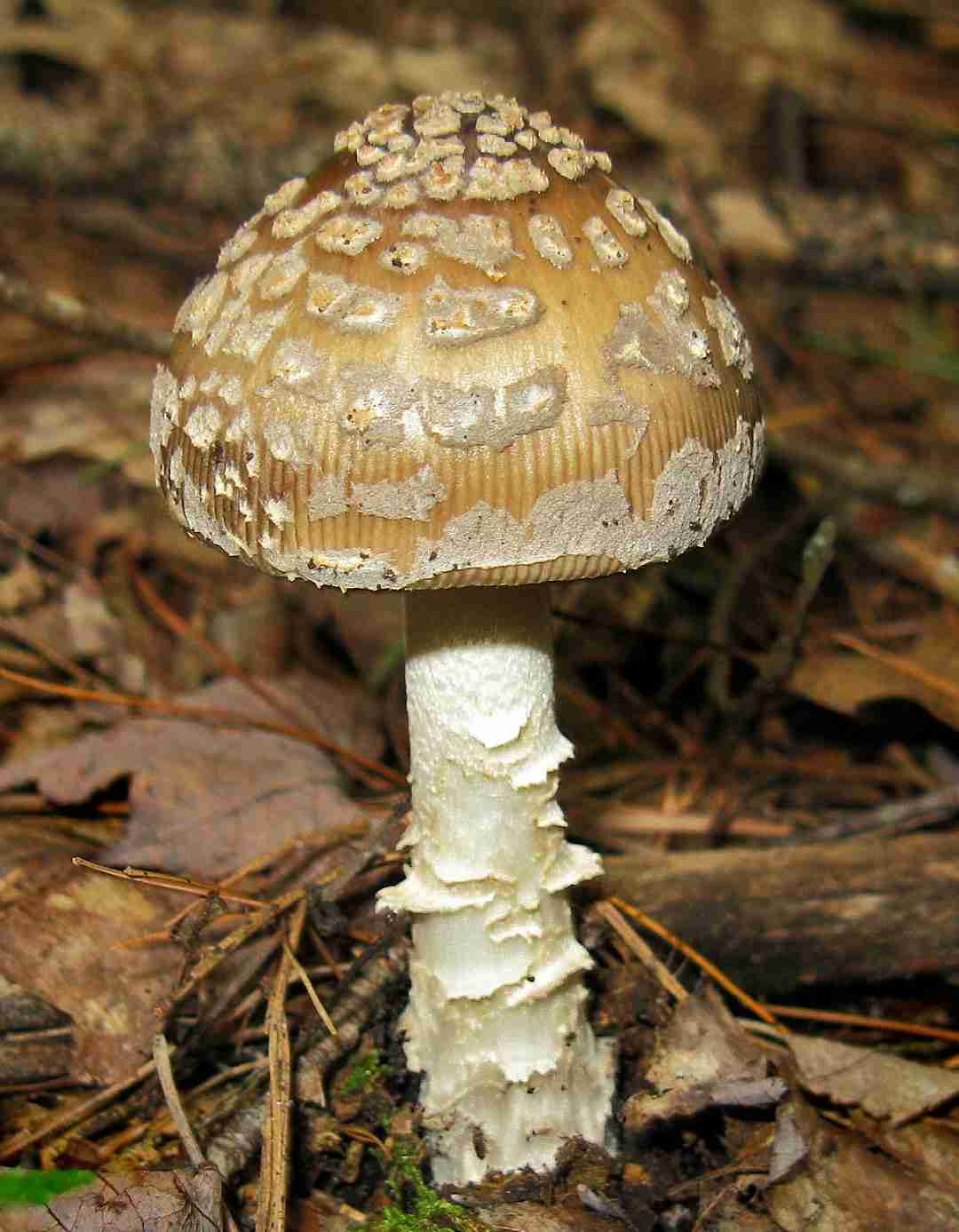
While it might take a close look to truly appreciate the snakeskin-like pattern on the cap of the snakeskin grisette, this amanita variety is characterized by a sturdy cap featuring coarse, scaly patches that become more pronounced and darker over time.
In This Article
Attributes of Snakeskin grisette
Cap Diameter
6 - 12 cm
Height
7 - 20 cm
Cap
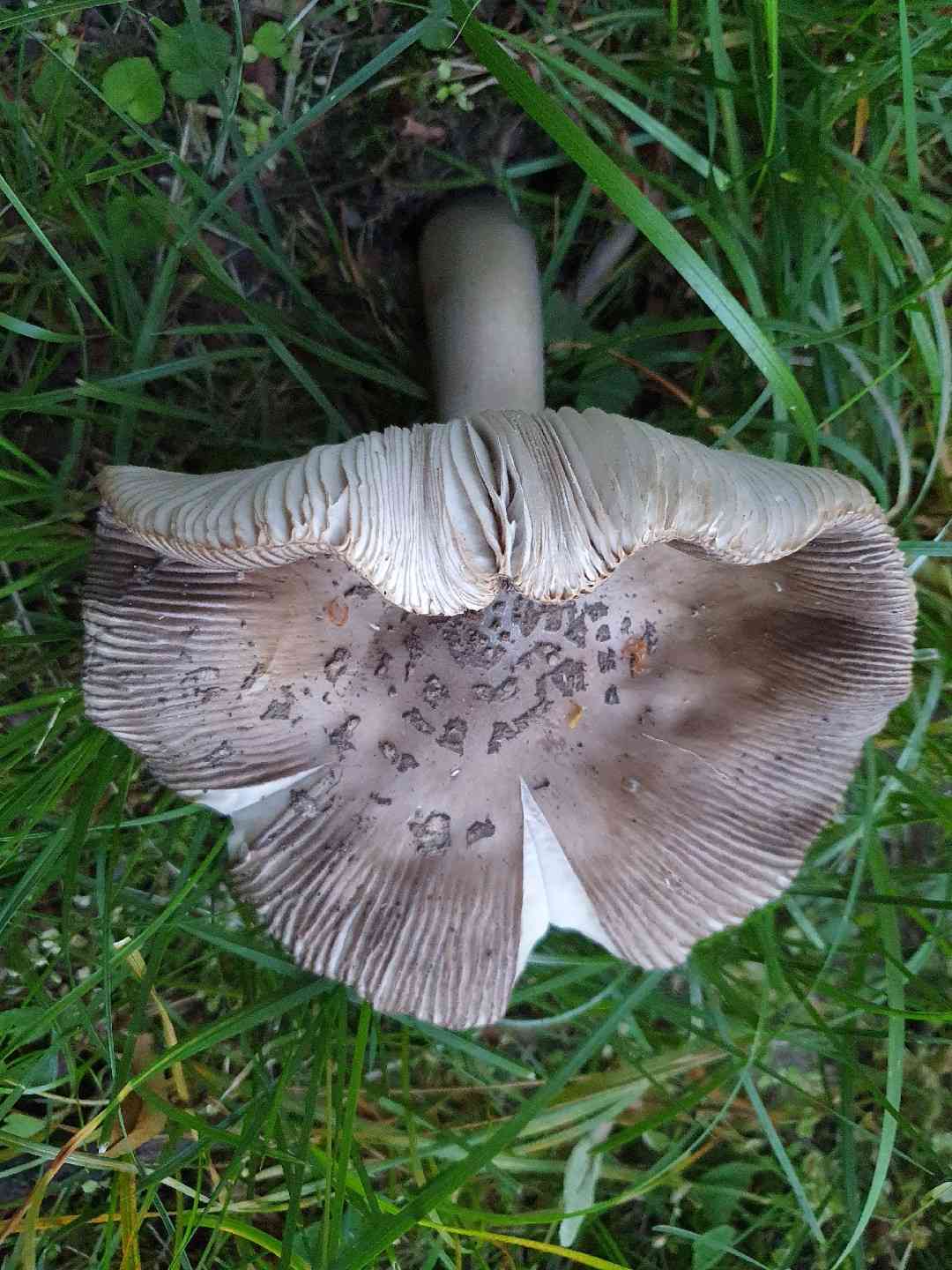
Cap 5 - 12 cm across; pale to dark yellow-brown, gray-brown; surface smooth, with veil remnants
Cap Shape
Convex, Flat
Cap Surfaces
Fibrillose-scaly, Visible lines or stripes
Gills
Free, adnexed; crowded; white, grayish
Gill Attachment
Free
Stem
Stem 7 - 18 cm long, 2 cm thick; gray; with conspicuous adder-like markings
Stem Shapes
Cylindrical
Stem Surfaces
Fibrillose
Flesh
White
Volva
On the stem base; whitish to grayish
Ring
Ringless
Spore Print Color
White
Odor
Faint, earthy, non-distinctive.
Body Color
BrownGrayWhite
Flesh Bruises
The flesh or milk does not discolor when bruised or cut.
Growth Form
Solitary, Scattered, Gregarious
Nutrient Gathering
Mycorrhizal
Substrate
On soil
You can find Snakeskin grisette by these plants
Eastern hemlock, Oaks, European beech
Occurence Habitats
Deciduous Woodland, Coniferous Woodland, Mixed Woodland
Species Status
Widely distributed
Endangered Species
No
Scientific Classification of Snakeskin grisette
Phylum
Club fungi
Class
Mushroom-forming fungi
Order
Gilled fungi
Family
Amanita
Genus
Amanita mushrooms
Toxicity and Edibility of Snakeskin grisette
Is Snakeskin grisette Toxic?
Consuming snakeskin grisette can be fatal. Certain Amanita fungi are lethal if consumed by mistake. Do not eat this mushroom.