Umber-zoned ringless amanita
Amanita battarrae
A species of Amanita mushrooms.
The distinctive brown cap of *Amanita brunnescens*, often exhibiting a cracked appearance with maturity, sets it apart. Its stem is devoid of a ring and frequently terminates in a swollen, bulbous base. This fungus flourishes through its symbiotic relationships with specific tree species, indicating a strong affinity for forested environments. It typically emerges from late summer through the autumn months. From a scientific perspective, *Amanita brunnescens* provides valuable contributions to our understanding of fungal ecosystems and biodiversity.
In This Article
Attributes of Umber-zoned ringless amanita
Cap Diameter
5 - 12 cm
Height
8 - 18 cm
Cap
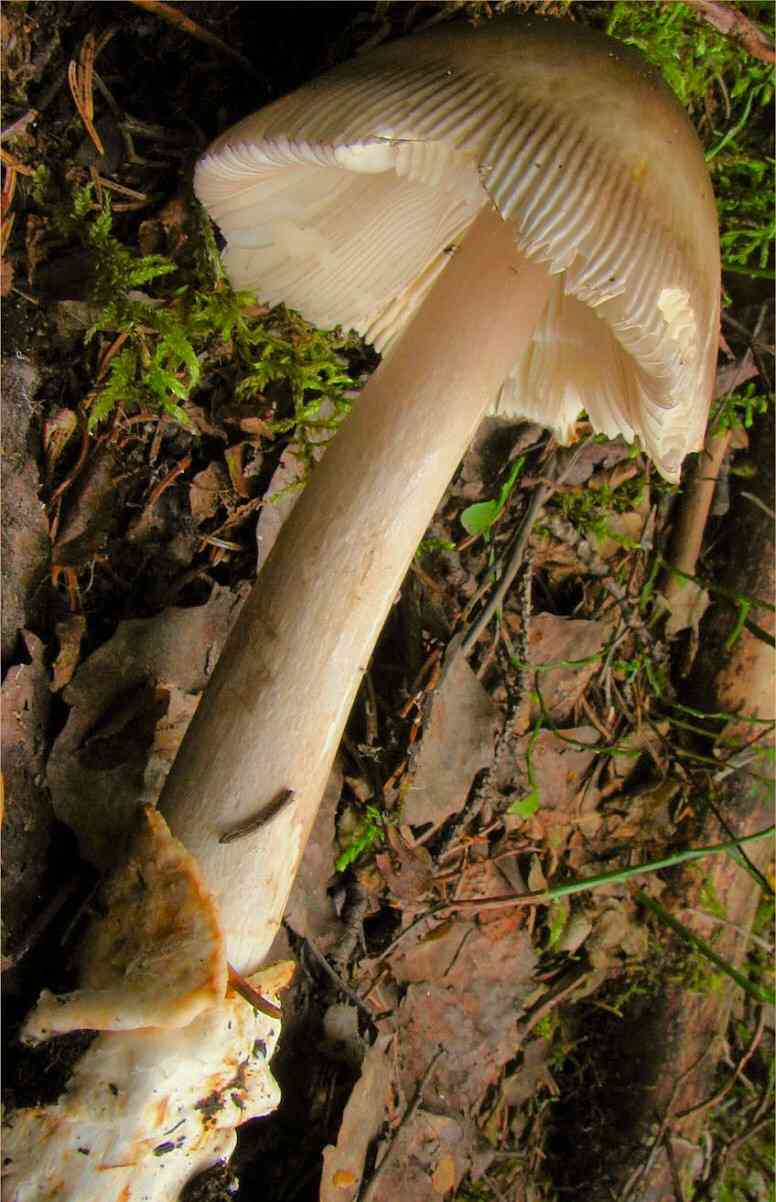
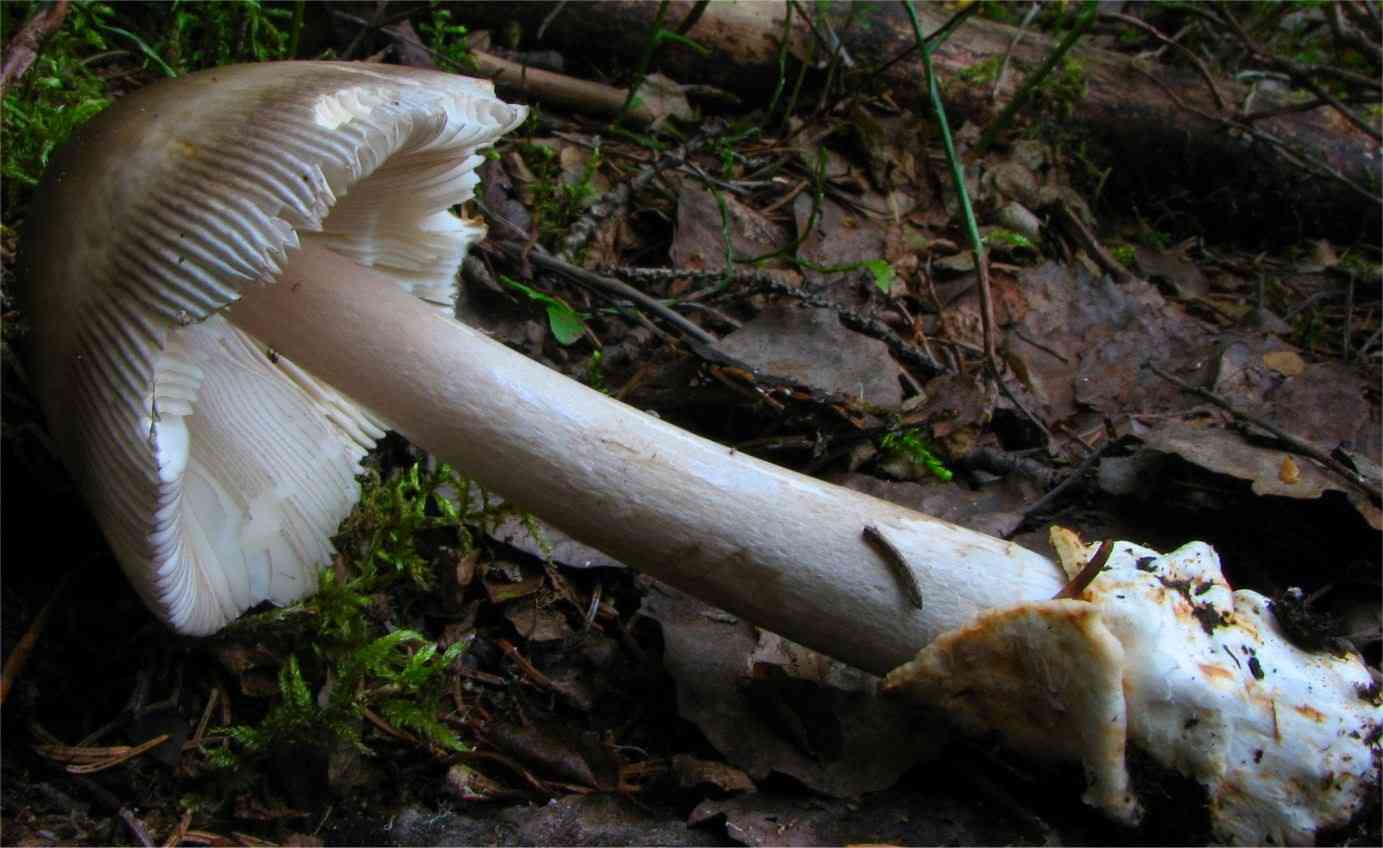
Cap 5 - 12 cm across; egg-shaped to convex to flat; grey-brown; margin lined
Cap Shape
Convex, Flat, Central Bump
Cap Surfaces
Smooth, Visible lines or stripes
Gills
Free, adnexed; crowded; creamy white
Gill Attachment
Free to Attached
Stem
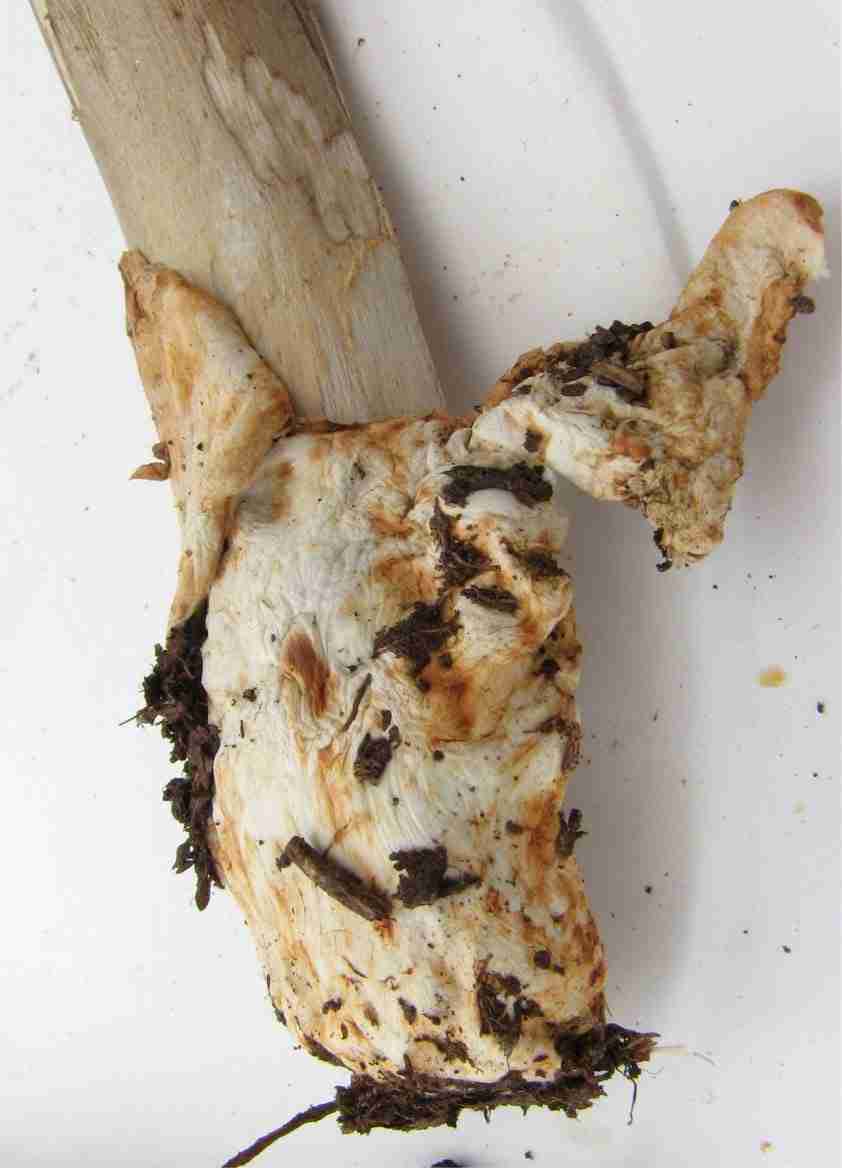
Stem 7 - 15 cm long, 8 - 18 mm thick; tapering; white, grey-brown; with fine woolly scales
Stem Shapes
With Cup
Stem Surfaces
Scaly
Flesh
Whitish
Volva
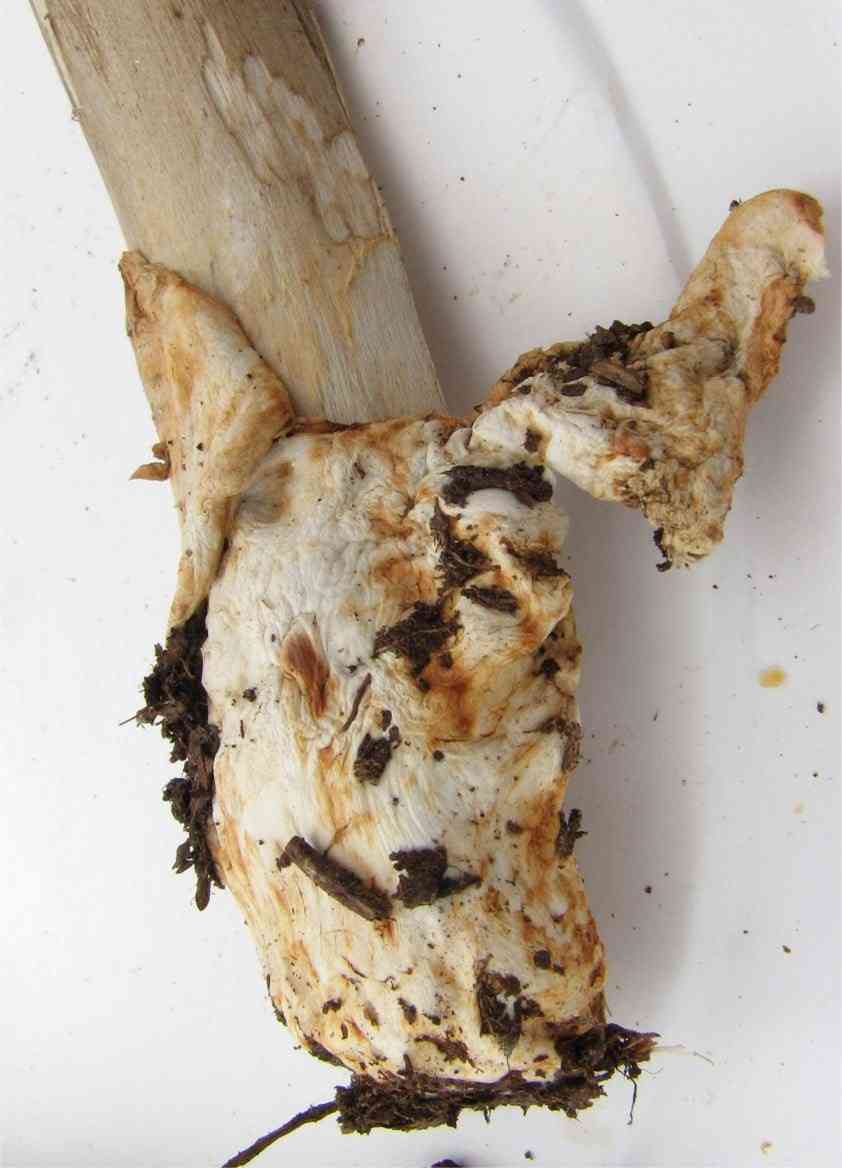
Base of the stipe; sac-like; white
Ring
Ringless
Spore Print Color
White
Odor
Mildly mushroomy, generally not distinctive.
Body Color
BrownGrayWhite
Flesh Bruises
The flesh or milk does not discolor when bruised or cut.
Growth Form
Solitary, Scattered
Nutrient Gathering
Mycorrhizal
Substrate
On soil
You can find Umber-zoned ringless amanita by these plants
Oaks, Pines
Occurence Habitats
Deciduous Woodland, Coniferous Woodland
Species Status
Rare
Endangered Species
No
Scientific Classification of Umber-zoned ringless amanita
Phylum
Club fungi
Class
Mushroom-forming fungi
Order
Gilled fungi
Family
Amanita
Genus
Amanita mushrooms
Toxicity and Edibility of Umber-zoned ringless amanita
Is Umber-zoned ringless amanita Toxic?
Toxicity information is not available for this mushroom. Always consult with an expert before consuming any wild mushrooms.

