Orange disco
Aleurodiscus amorphus
A species of Aleurodiscus.
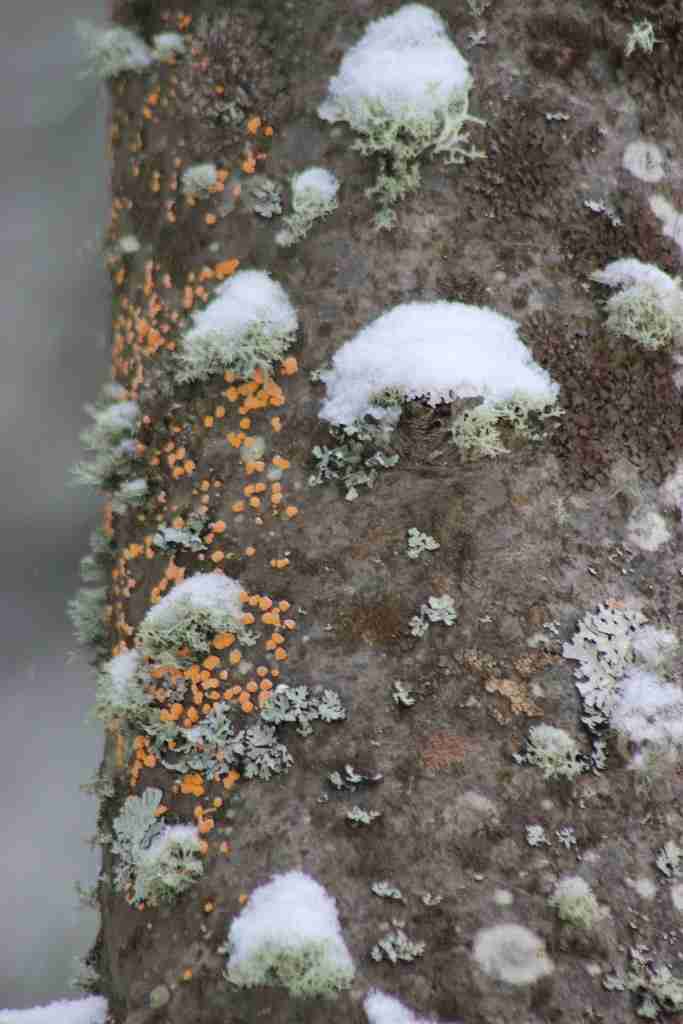
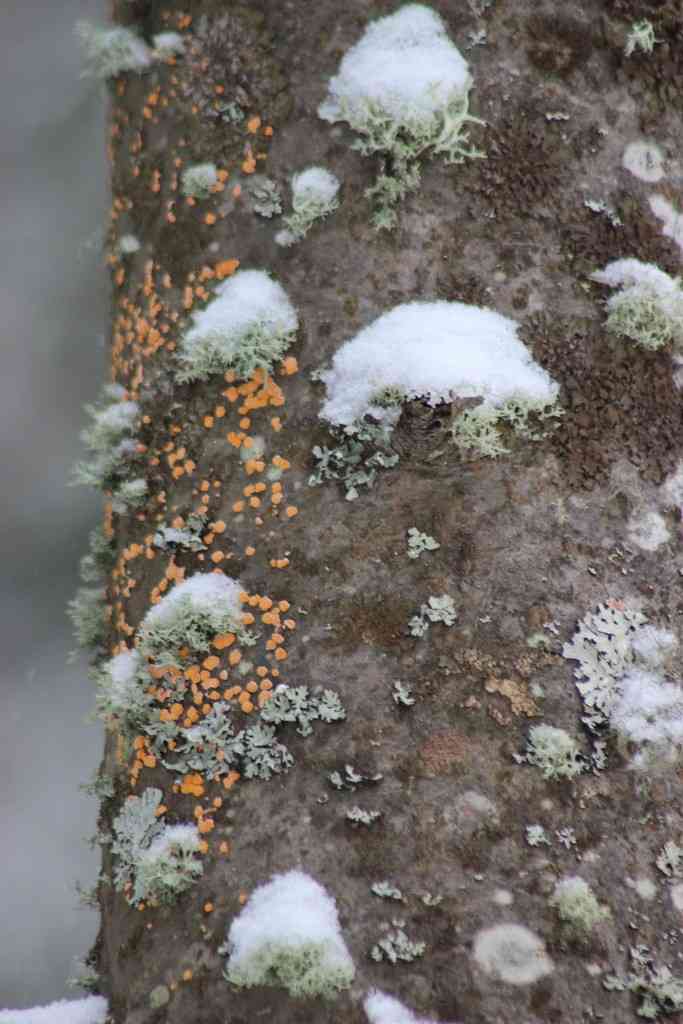
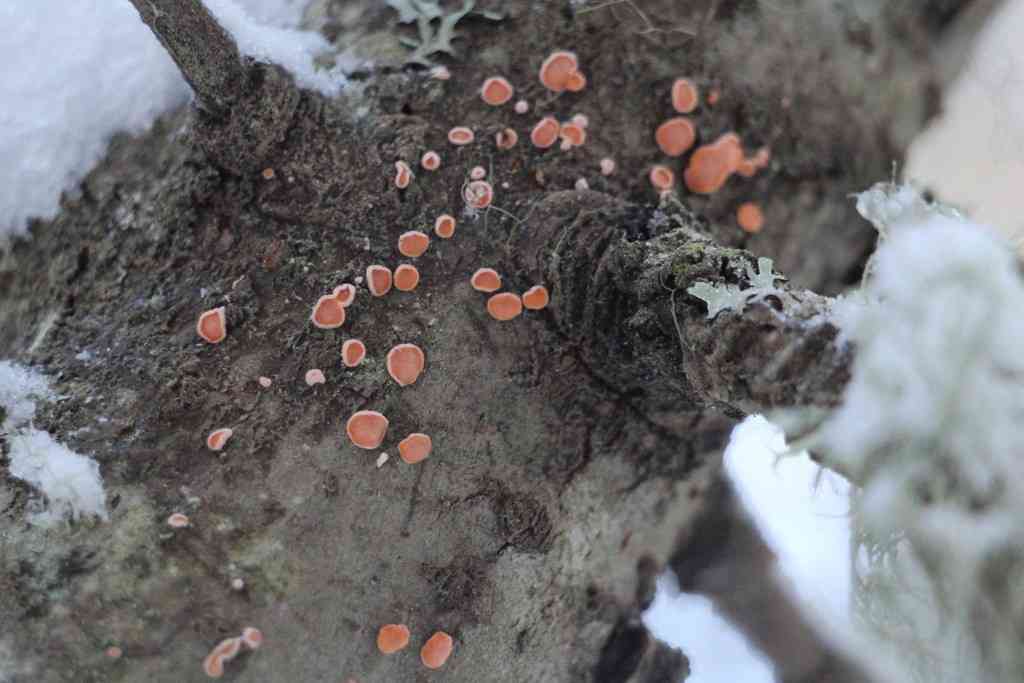
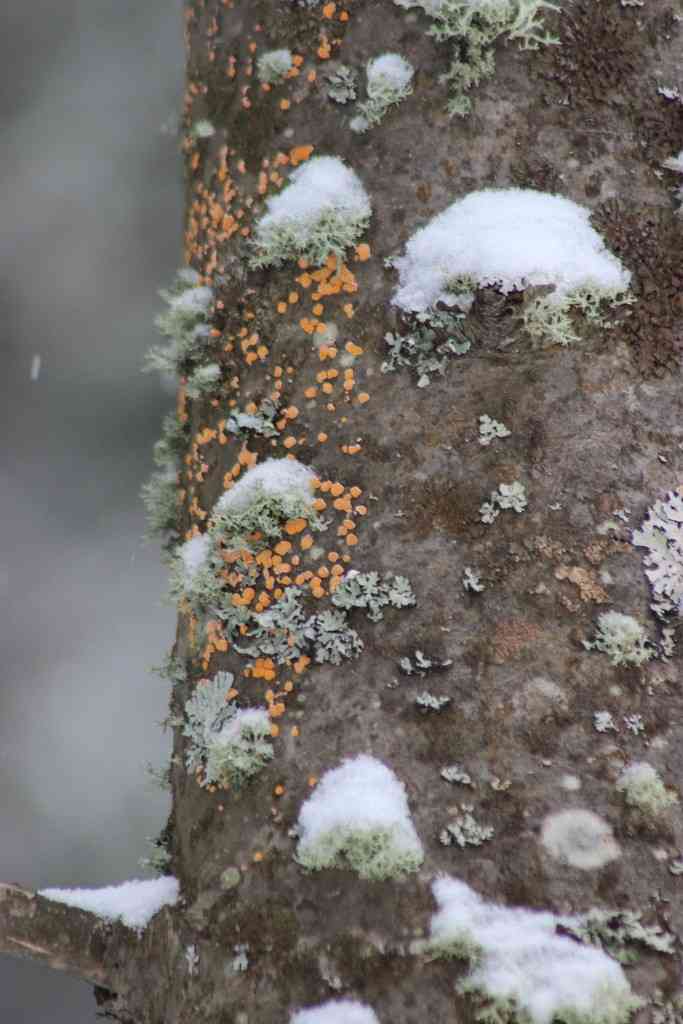
The captivating fungus known as Orange Disco, or Bisporella citrina, thrives on the decaying wood of conifers. It's easily identifiable by its brilliant orange, circular fruiting bodies that adhere to the wood. Its existence signals the natural decomposition of wood, a vital process that recycles nutrients and enriches forest ecosystems. Orange Disco's waxy surface brings a burst of color to the woodland floor.
In This Article
Attributes of Orange disco
Height
2 - 3 mm
Cap
The surface is smooth,finely granular,and pinkish orange,becoming duller with age or in dry weather
Spore Print Color
White
Odor
Mildly mushroomy but not distinctive.
Flesh Bruises
The flesh or milk does not discolor when bruised or cut.
Growth Form
Scattered, Gregarious
Nutrient Gathering
Saprophytic
Substrate
Wood of Living Trees
You can find Orange disco by these plants
Firs, Caucasian fir, Silver fir
Occurence Habitats
Coniferous Woodland
Scientific Classification of Orange disco
Phylum
Club fungi
Class
Mushroom-forming fungi
Order
Russulales
Family
Crusts
Genus
Aleurodiscus
Toxicity and Edibility of Orange disco
Is Orange disco Toxic?
Toxicity information is not available for this mushroom. Always consult with an expert before consuming any wild mushrooms.

