Rosy wood mushroom
Agaricus semotus
A species of Agaricus. Also known as Wine agaricus.
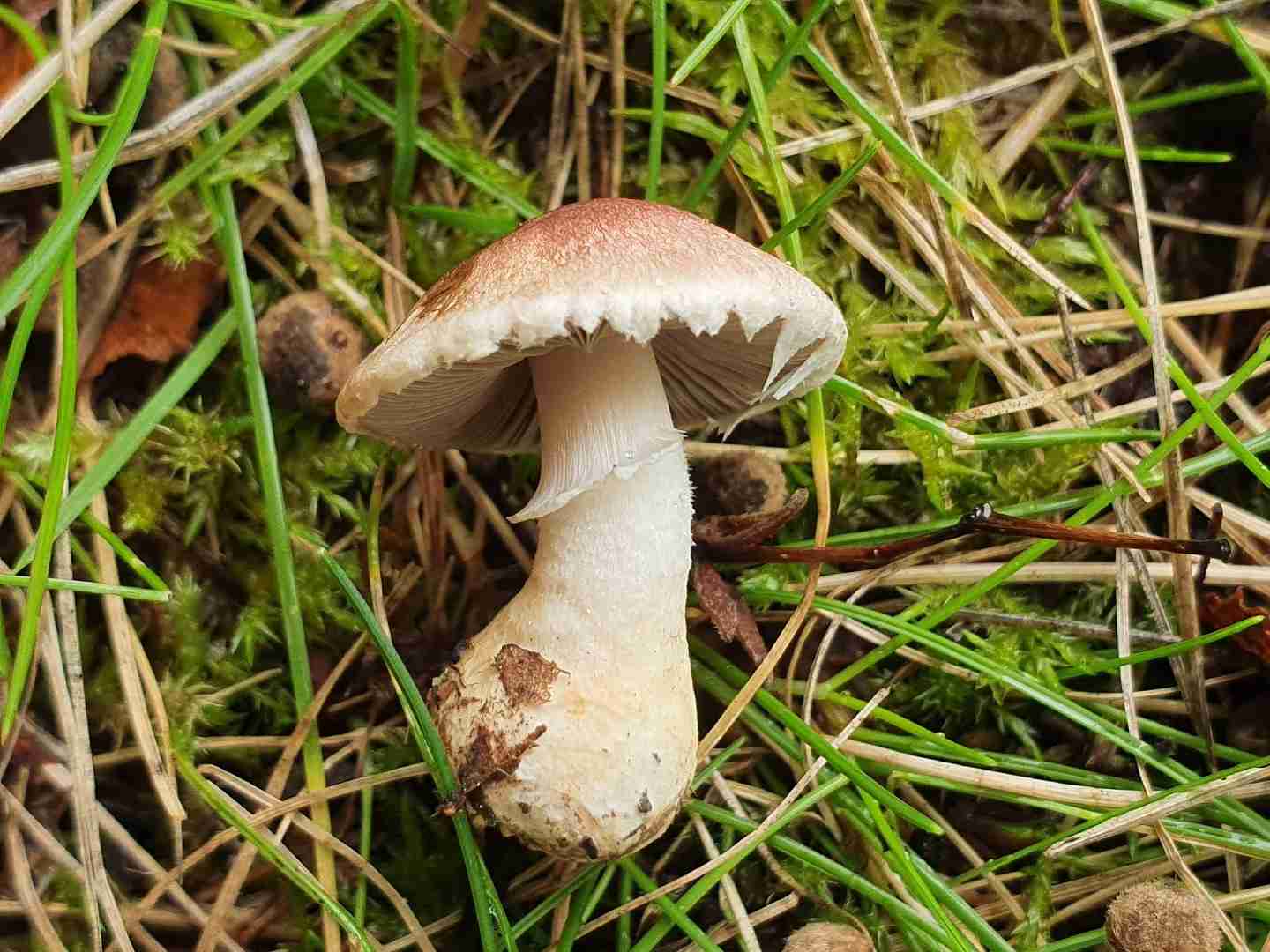
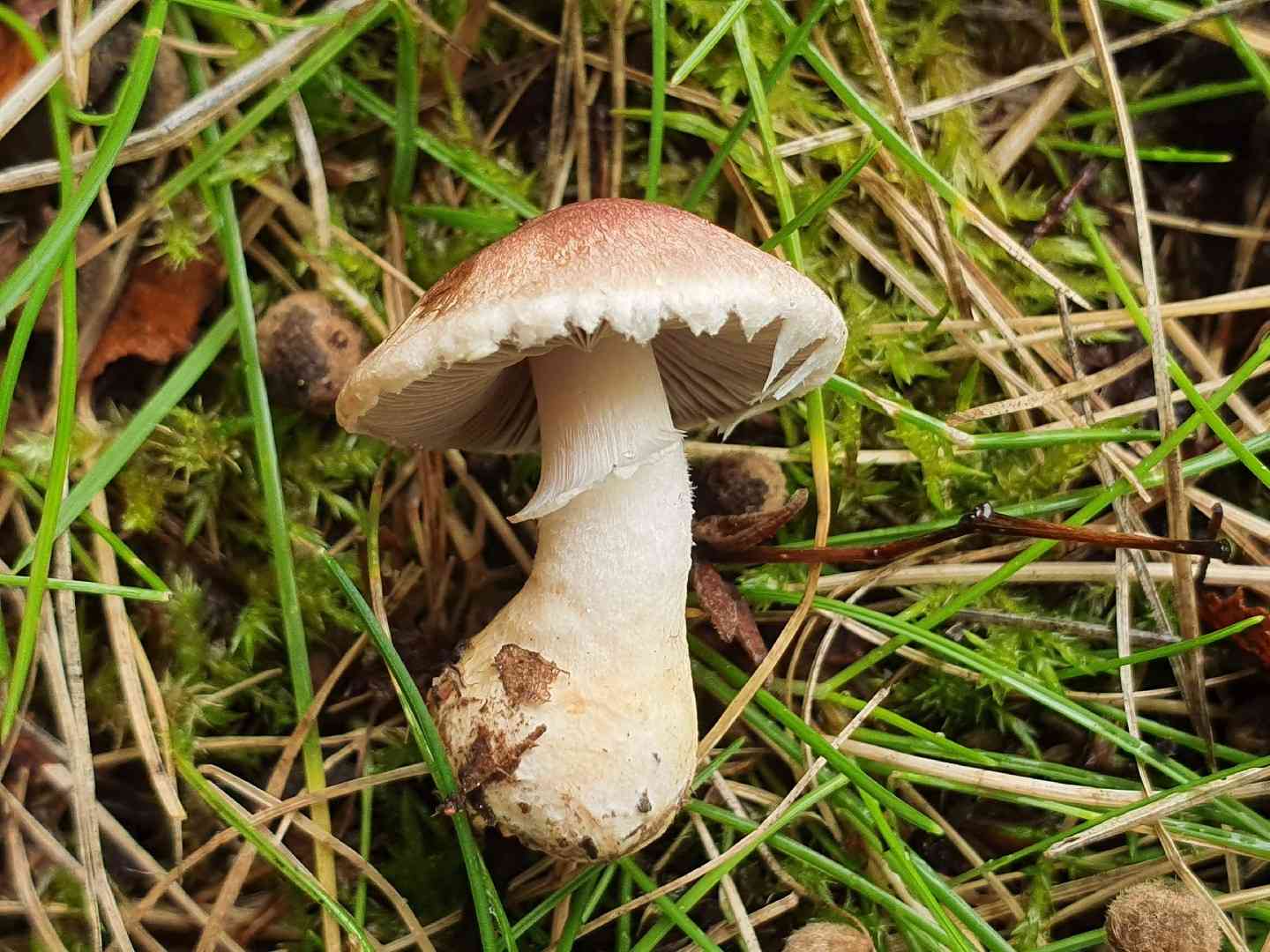
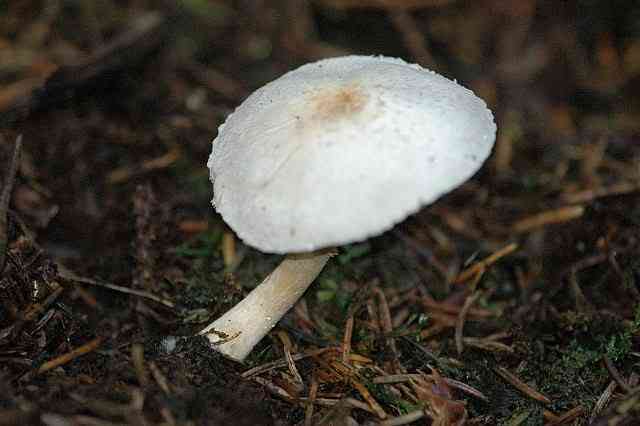
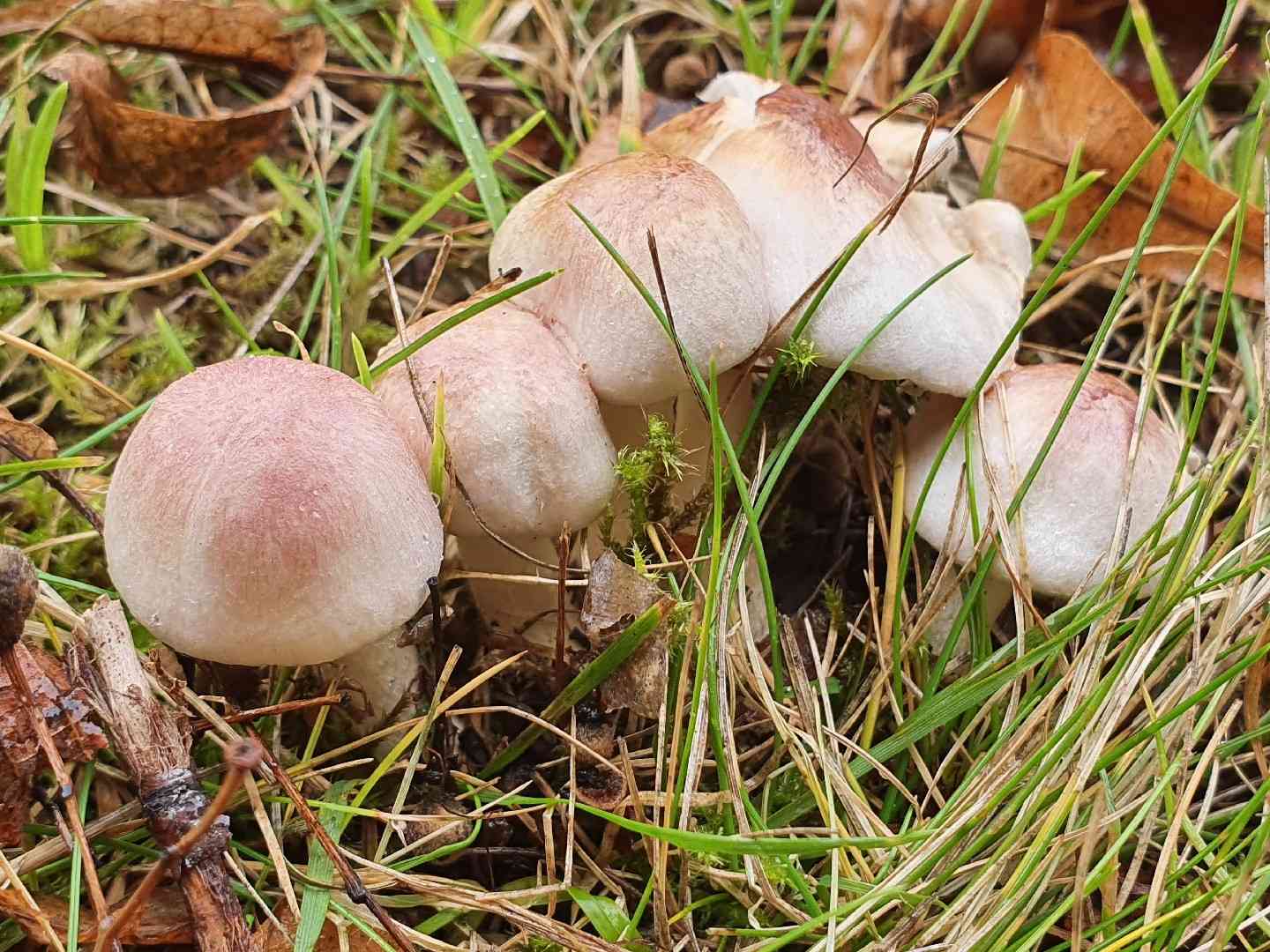
The rosy wood mushroom, characterized by its anise scent and a yellowish bruise reaction, typically grows on woodland floors. It bears a resemblance to the larger Agaricus Silvicola and the more slender Agaricus Diminutivus. Consumption of the rosy wood mushroom is not advised due to its reported potential toxicity.
In This Article
Attributes of Rosy wood mushroom
Cap Diameter
2 - 6 cm
Height
4 - 10 cm
Cap
Cap 2 - 7 cm in diameter; convex; from a lighter cream to a darker tan; with brownish scales
Cap Shape
Convex, Flat, Central Bump
Cap Surfaces
Fibrillose-scaly
Gills
Free; close; pink to darker brown
Gill Attachment
Free
Stem
3 - 7 cm tall, 4 - 8 mm broad; round, stuffed, equal to tapering to an enlarged base; white to cream; bruises yellow when handled
Stem Shapes
Tapering
Stem Surfaces
Fibrillose
Flesh
White throughout; stains yellow when bruised
Ring
With Ring
Spore Print Color
Dark brown
Odor
Slightly anise-almond, mildly mushroomy.
Body Color
BrownBronzeCream
Flesh Bruises
Discolor to yellowish
Growth Form
Solitary, Gregarious
Nutrient Gathering
Saprophytic
Substrate
Leaf or Needle Litter
You can find Rosy wood mushroom by these plants
Norway spruce
Occurence Habitats
Deciduous Woodland, Coniferous Woodland, Mixed Woodland
Species Status
Spread throughout in the southern United States
Endangered Species
No
Scientific Classification of Rosy wood mushroom
Phylum
Club fungi
Class
Mushroom-forming fungi
Order
Gilled fungi
Family
Agaricaceae
Genus
Agaricus
Toxicity and Edibility of Rosy wood mushroom
Is Rosy wood mushroom Toxic?
Toxicity information is not available for this mushroom. Always consult with an expert before consuming any wild mushrooms.

