Common Pests & Diseases

Identify plant diseases quickly with clear symptoms, photos, and solutions to protect your garden from damage.

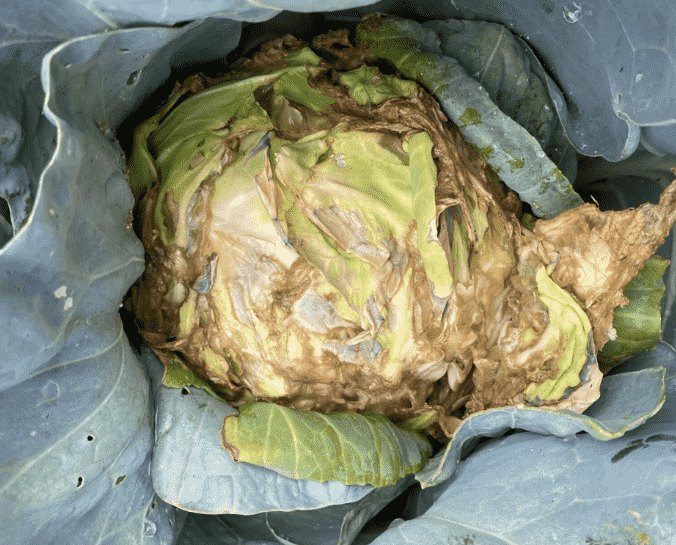
Bacterial Soft Rot: Identifying Symptoms, Causes, and Effective Treatments for Your Garden

Bacterial Soft Rot: Identifying Symptoms, Causes, and Effective Treatments for Your Garden

Bacterial Soft Rot causes soft, mushy, and foul-smelling decay in fleshy plant tissues like roots, tubers, and fruits, resulting in complete destruction of the harvested product and significant post-harvest economic loss.

Read More
Fire Blight: Identifying Symptoms, Causes, and Effective Treatments for Your Garden

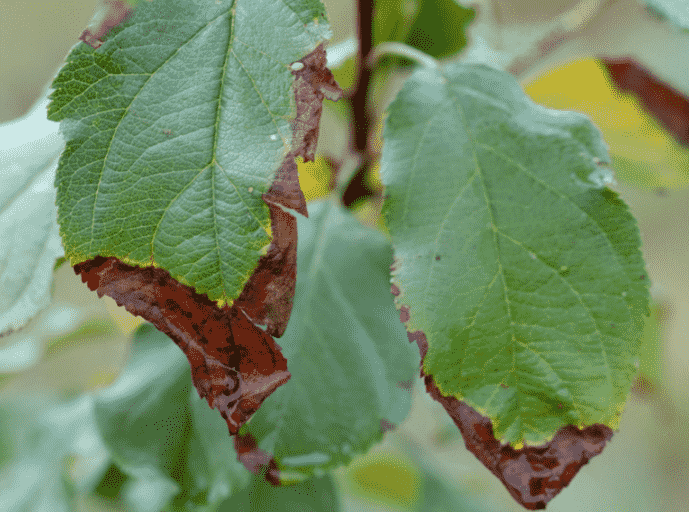
Fire Blight: Identifying Symptoms, Causes, and Effective Treatments for Your Garden

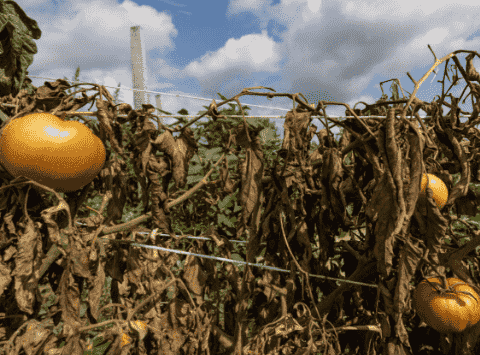
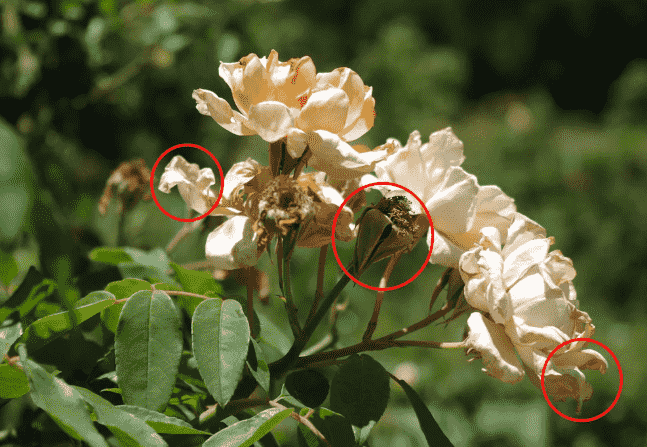
Fire Blight, a bacterial disease, causes blighted, blackened, or scorched-looking shoots and flowers (resembling fire damage) and cankers on branches, leading to branch dieback, general plant decline, and significant loss of fruit crops like apples and pears.

Read More
Chemical Injury: Identifying Symptoms, Causes, and Effective Treatments for Your Garden

Chemical Injury: Identifying Symptoms, Causes, and Effective Treatments for Your Garden

Chemical injury in plants appears as scorching, browning, or distorted growth on leaves and stems, caused by improper pesticide or fertilizer application. This reduces aesthetic value and crop yield.

Read More
Temperature Stress: Identifying Symptoms, Causes, and Effective Treatments for Your Garden

Temperature Stress: Identifying Symptoms, Causes, and Effective Treatments for Your Garden

Temperature Stress (Heat/Cold) causes wilting, scorched or bleached leaves (heat), or purpling, browning, and stunted growth (cold). The main harm is disrupted metabolism and cell damage, leading to reduced yield, flower drop, or plant death.

Read More
Nutrient Toxicity: Identifying Symptoms, Causes, and Effective Treatments for Your Garden

Nutrient Toxicity: Identifying Symptoms, Causes, and Effective Treatments for Your Garden

Nutrient Toxicity is characterized by leaf tips and margins appearing burnt or yellow (tip burn), often coupled with bronzing or dark spots, which severely stunts overall growth, potentially leading to wilting and the death of the entire plant if the excessive nutrient concentration is not promptly corrected.

Read More
Root rot: Identifying Symptoms, Causes, and Effective Treatments for Your Garden

Root rot: Identifying Symptoms, Causes, and Effective Treatments for Your Garden

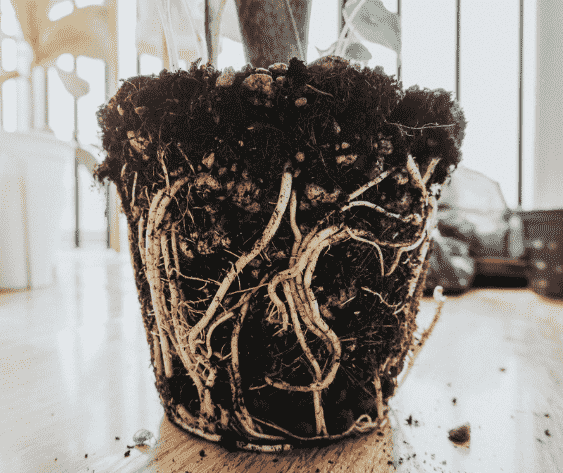
Root Rot is a destructive disease caused by various soil-borne pathogens (Pythium, Phytophthora, Rhizoctonia) favored by waterlogged soil and poor drainage. Symptoms include wilting, yellowing (chlorosis) of the leaves, and stunting, while the roots appear soft, dark, and mushy. The rot destroys the root system, preventing water and nutrient absorption, leading to irreversible decline and plant death.

Read More
Leaf Spot: Identifying Symptoms, Causes, and Effective Treatments for Your Garden

Leaf Spot: Identifying Symptoms, Causes, and Effective Treatments for Your Garden

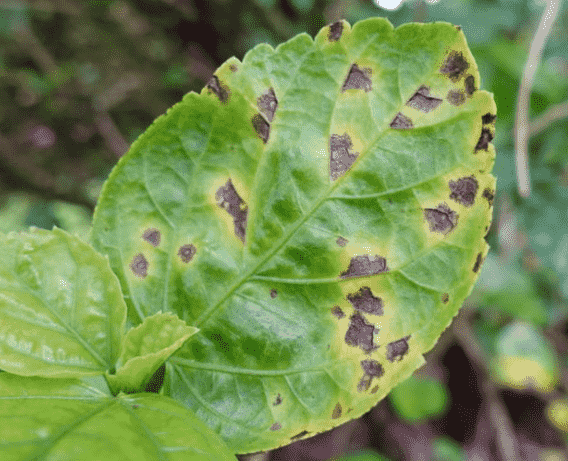
Leaf Spot is a general term for diseases caused by various fungi or bacteria, characterized by circular or irregularly shaped necrotic spots on the foliage, which may have defined borders or a yellow halo. These spots reduce the functional leaf area for photosynthesis, causing premature defoliation in severe cases, thus weakening the plant and decreasing crop yield or aesthetic value.

Read More
Drought Stress: Identifying Symptoms, Causes, and Effective Treatments for Your Garden

Drought Stress: Identifying Symptoms, Causes, and Effective Treatments for Your Garden

Drought Stress is a non-infectious condition caused by insufficient water supply, leading to symptoms like wilting, leaf rolling, marginal scorching, and eventually browning (necrosis) and premature leaf drop. Severe or prolonged stress causes irreversible damage to tissues, reduced photosynthesis and growth, and total plant death, significantly impacting crop yield and landscape plant survival.

Read More
Nutrient Deficiency: Identifying Symptoms, Causes, and Effective Treatments for Your Garden

Nutrient Deficiency: Identifying Symptoms, Causes, and Effective Treatments for Your Garden

Nutrient Deficiency is a physiological disorder, not a disease, where plants lack essential elements, resulting in distinct symptoms like chlorosis (yellowing), often specific to older or younger leaves (e.g., nitrogen on old leaves, iron on new leaves). Deficiencies also cause stunting, poor fruiting, and marginal leaf necrosis. The primary harm is reduced growth, lower yields, and poor overall plant health due to impaired metabolic functions.

Read More