Poinsettia (Euphorbia pulcherrima)
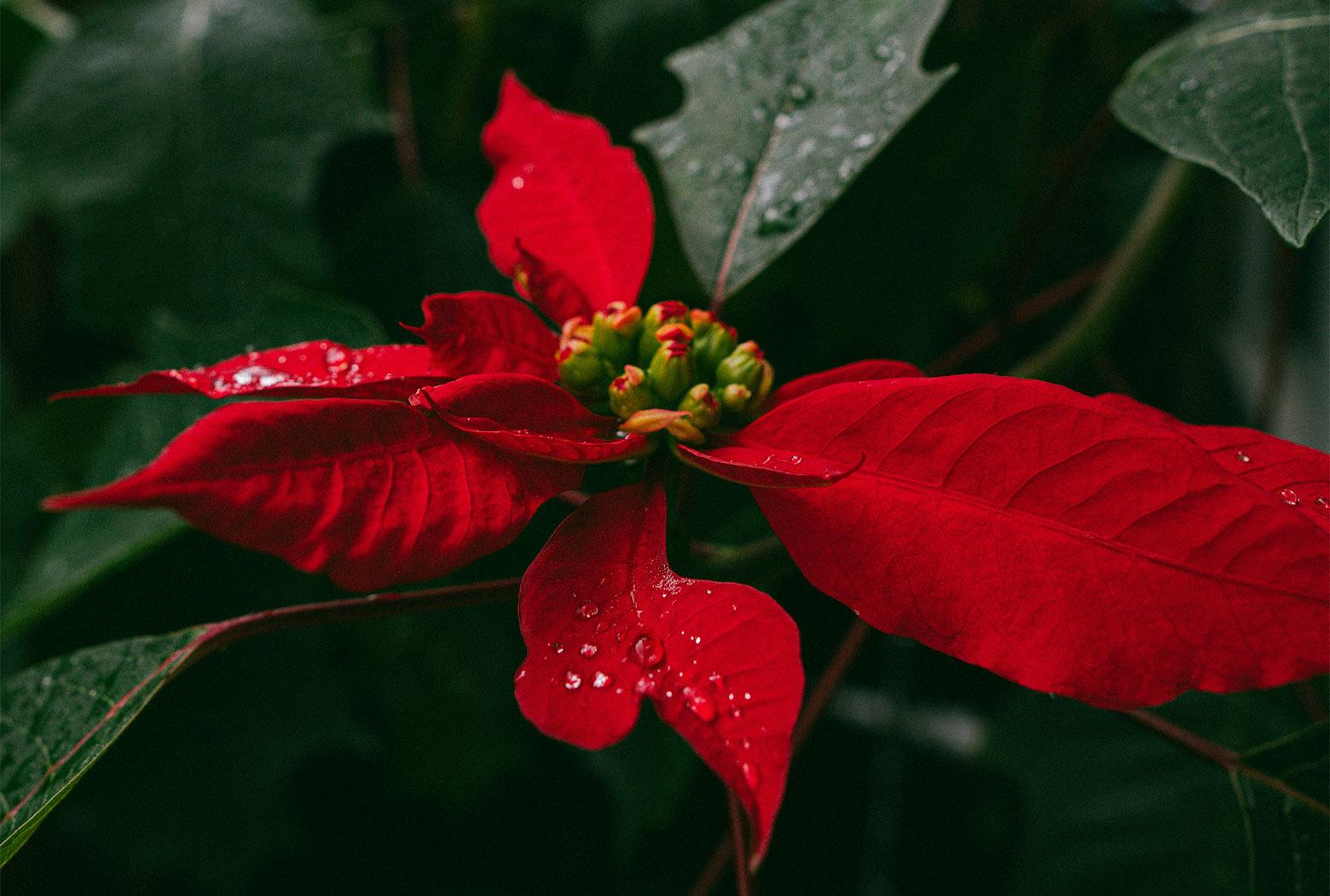
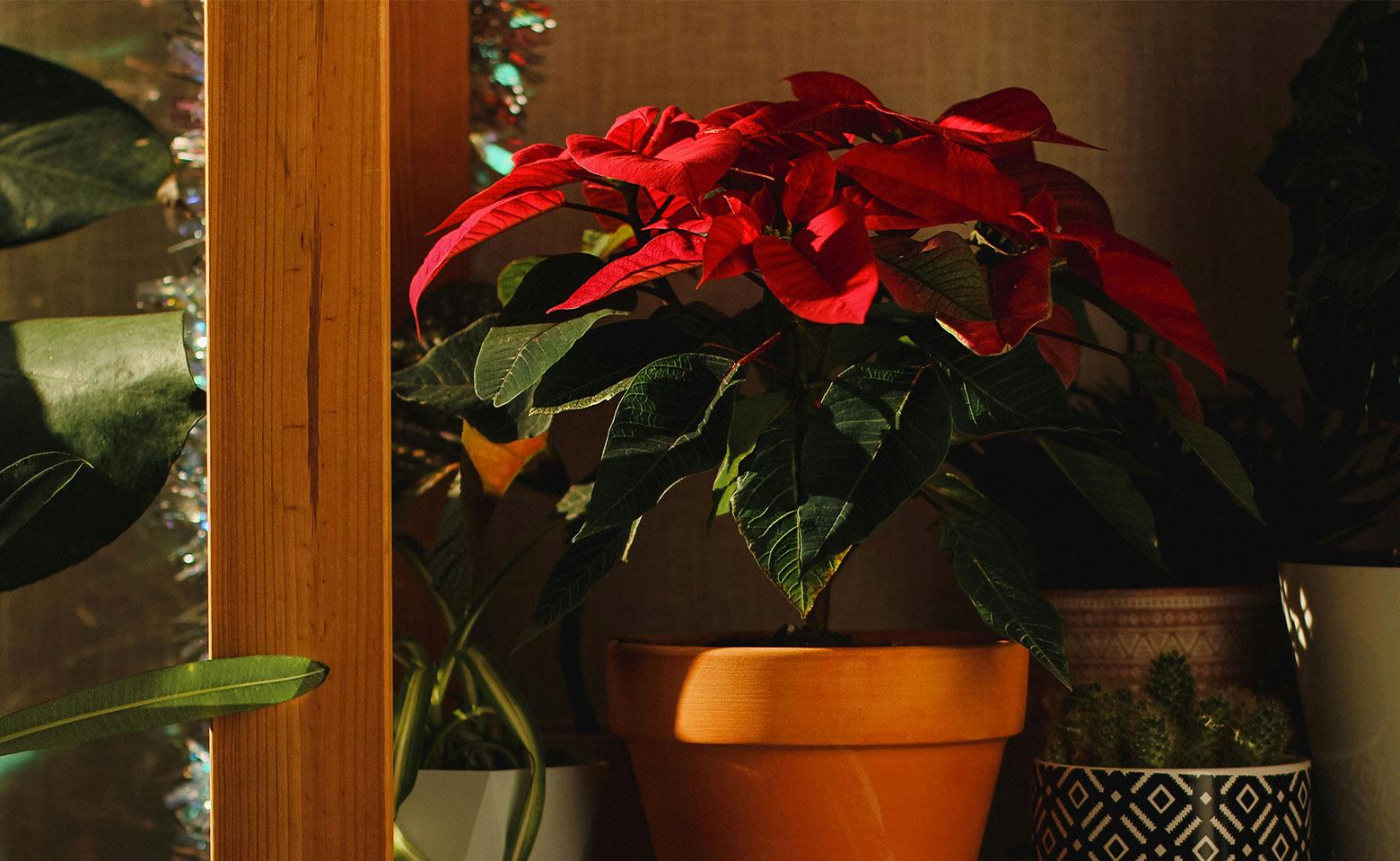
The key to vibrant poinsettia care is providing bright, filtered light and avoiding overwatering. These Mexican natives are prone to root rot, so let the top 2 inches (5 cm) of soil dry out completely before you water again. When you do water, do so thoroughly until it drains from the bottom, but never let the pot sit in a saucer of water.
They thrive in daytime temperatures of 65-75°F (18-24°C) and slightly cooler at night. Keep them away from drafty windows, doors, and heating vents, as sudden temperature fluctuations can cause their leaves to drop. The colorful "flowers" are actually modified leaves called bracts; the true flowers are the tiny yellow buds in the center.
- Sun Exposure: Bright, indirect light (partial shade).
- Soil Needs: Loamy, well-drained potting mix.
- USDA Hardiness Zones: 9 to 11 (when grown outdoors).
Christmas Cactus (Schlumbergera russelliana)
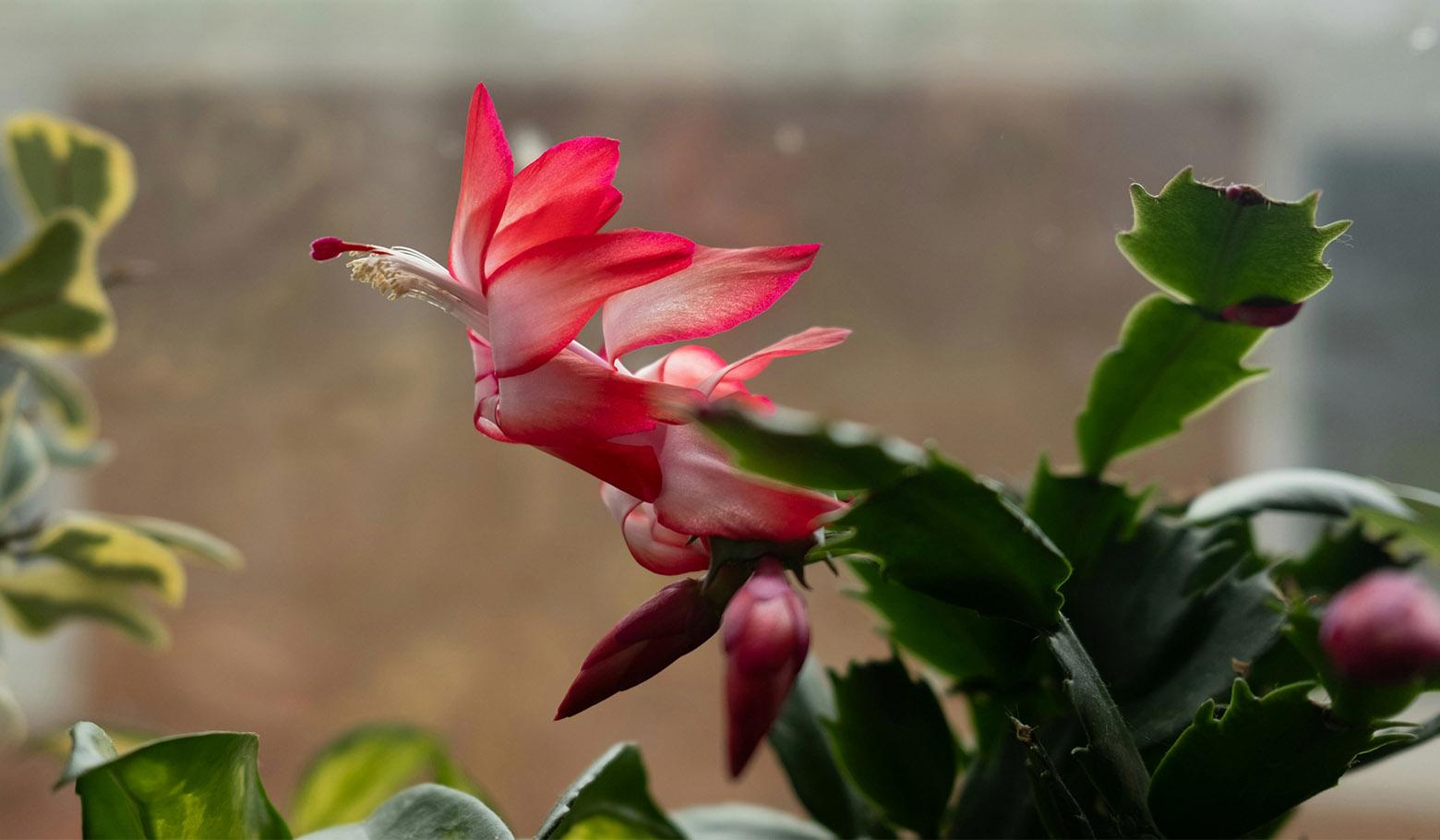
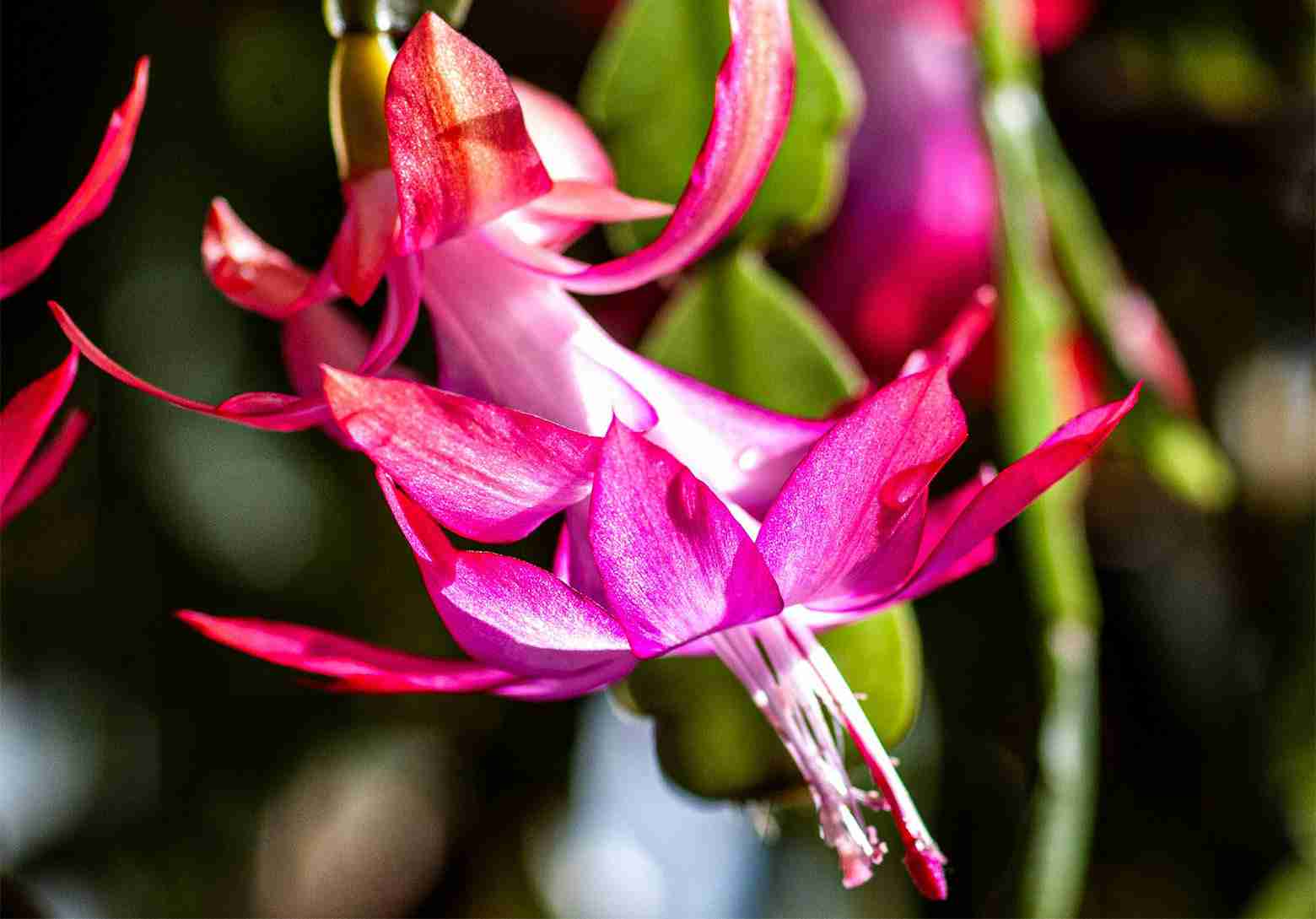
Caring for a Christmas cactus means giving it consistent moisture and bright, indirect light. Unlike their desert cousins, these are tropical plants from the coastal mountains of Brazil. According to the University of Illinois Extension, they grow as epiphytes on tree branches in humid forests, which is why they prefer more water and humidity than other cacti.
I water mine whenever the top inch of soil feels dry to the touch. To encourage those beautiful blooms for the holidays, they need a "cooldown" period with less water and about 12-14 hours of darkness per day starting in the fall. During the day, a spot near an east-facing window is perfect.
- Sun Exposure: Partial sun (bright, indirect).
- Soil Needs: Loamy, moist, well-drained soil.
- USDA Hardiness Zones: 10 to 12.
Amaryllis (Hippeastrum)
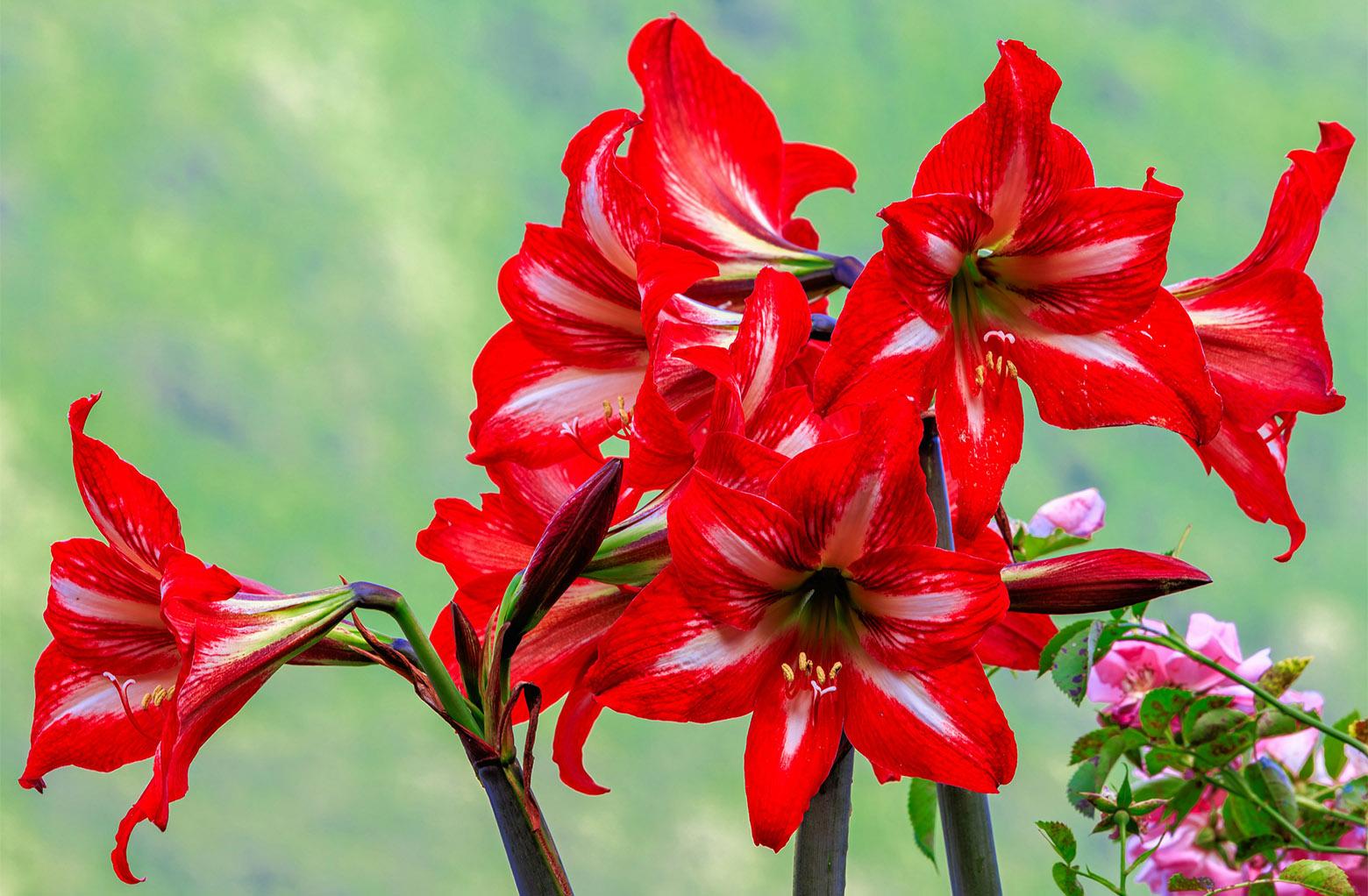
To get a stunning Amaryllis bloom for Christmas, you need to plant the bulb around early to mid-November. These spectacular flowers take about six to eight weeks to grow and bloom from a dormant bulb. Plant the bulb in a snug pot with well-draining soil, leaving the top third of the bulb exposed above the soil line.
Place it in a warm, sunny spot and water sparingly until you see new growth emerge. Once the stalk appears, increase watering to keep the soil lightly moist. I've learned to rotate the pot every few days to prevent the tall, heavy stalk from leaning too far toward the light. The trumpet-shaped flowers are a real showstopper during the darkest winter days.
- Sun Exposure: Full sun to partial shade.
- Soil Needs: Loamy, well-drained.
- USDA Hardiness Zones: 7 to 10 (can be grown outdoors in these zones).
Troubleshooting Common Holiday Plant Problems
Even with the best care, you might run into issues like yellowing leaves or wilting. Don't panic! It's usually a sign that one small thing needs adjusting.
Why Are My Poinsettia's Leaves Turning Yellow and Dropping?
Yellowing leaves on a poinsettia are most often a sign of overwatering, leading to root rot. However, underwatering, drafts, or not enough light can cause similar symptoms. It can be tricky to tell the difference just by looking.
If you've checked the soil moisture and temperature and are still stumped, I recommend using the PlantJoy App. You can snap a photo of the affected leaves, and it will help you diagnose the problem and give you a specific action plan. It takes the guesswork out of plant care.
Why Isn't My Christmas Cactus Blooming?
A Christmas cactus that won't bloom usually isn't getting the right signals to produce buds. Starting in September or October, it needs two things: cooler temperatures (around 50-55°F / 10-13°C) and long, uninterrupted nights of 12-14 hours of darkness. Even a brief exposure to artificial light at night can disrupt this cycle. Try moving it to a cool, unused room and be patient!
A Note on Pet and Child Safety
Many traditional holiday plants can be harmful if ingested. Always place them out of reach of curious pets and small children.
- Poinsettia (Euphorbia pulcherrima): The milky white sap can cause mild irritation to the skin and mouth. It's much less toxic than commonly believed, but still best to be cautious.
- Holly (Ilex): The berries are toxic to people and pets, causing vomiting and diarrhea if eaten.
- Mistletoe (Phoradendron leucarpum): Both the leaves and berries are highly toxic and should be kept well away from children and pets.
Their vibrant colors, lush greenery, and seasonal charm instantly brighten any room—whether placed by the entryway, beside the fireplace, or as part of your holiday table décor. These plants help create a warm, welcoming environment while bringing a touch of nature indoors. They refresh the air, add a sense of vitality, and keep your home feeling lively and comforting throughout the winter season, making the holidays even more joyful and memorable.