How Often Should You Water Your Zanzibar gem?
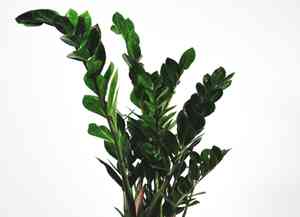
1
Hydrate your Zanzibar gem bi-weekly for peak development and to prevent excessive moisture.
2
Opt for purified water to avoid the accumulation of chlorine and minerals that could damage your Zanzibar gem.
3
Alter your watering schedule according to the time of year, decreasing it throughout the colder periods.
Deciphering the Hydration Requirements of Zanzibar Gem
Mimicking the Plant's Indigenous Environment
The Zamioculcas zamiifolia, commonly known as Zanzibar gem, originates from East Africa and flourishes in regions with infrequent precipitation. This robust plant is accustomed to enduring extended dry spells and is more resilient to insufficient watering than excessive moisture. Comprehending its natural habitat helps replicate these conditions indoors, fostering robust development. Maintaining relatively dry soil and thoroughly irrigating only when the top 2-5 cm (1-2 inches) of soil feels arid ensures the plant's root system avoids standing water, a common cause of rot.
Indicators of Excessive or Insufficient Watering
Identifying the symptoms of over-hydration and under-hydration is vital for preserving the health of your Zanzibar gem. Over-watering frequently results in foliage discoloration (yellowing), a softened stem base, and a musty scent emanating from the potting mix. Conversely, under-watering manifests as leaf curling, browning at the tips, or wilting. Adhering to a consistent watering schedule and making adjustments based on the plant's response aids in achieving the correct equilibrium. Routinely checking the soil's moisture content is an excellent practice to avert either extreme.
Optimal Hydration Methods for Zanzibar Gem
Selecting Appropriate Water Quality
The quality of water utilized can significantly impact your Zanzibar gem's vitality. Tap water, often treated with substances like chlorine and fluoride, can be detrimental to the plant over time. To mitigate this, using filtered or distilled water is advantageous. Alternatively, allowing tap water to sit for 24 hours before use permits some chemicals to dissipate. This straightforward measure can profoundly affect your Zanzibar gem's long-term vigor.
Seasonal Adjustments for Irrigation
Your Zanzibar gem's watering demands can fluctuate with the seasons. During its active growth phase, typically spring and summer, the plant might require more frequent hydration, approximately every 2 weeks, as it actively consumes water for development. In contrast, during winter months when growth diminishes, you should reduce watering frequency. It's best to allow the soil to nearly completely dry out between winter waterings to prevent over-saturation. Monitoring soil moisture and adapting based on the plant's needs will ensure your Zanzibar gem flourishes year-round.
Frequent Errors in Watering Zanzibar Gem
Employing Inadequate Drainage Systems
A common error in watering Zanzibar gem involves using containers with insufficient drainage. Proper drainage is crucial to prevent water accumulation at the plant's base, which can lead to root decay. Ensure your pot has multiple drainage holes and consider adding a layer of gravel or small stones at the bottom before adding soil. This configuration promotes better water flow and keeps roots from sitting in excessively moist conditions.
Overlooking Pot Dimensions and Material
The size and material of your pot are also critical factors in the watering regimen for your Zanzibar gem. A pot that is too large can retain excessive moisture, heightening the risk of over-watering, while an undersized pot might dry out too rapidly. Choose a pot that supports steady growth without holding too much water. Terracotta pots are an excellent option due to their porous nature, which allows for better moisture evaporation. Regular assessment and adjustment of pot size as your plant grows ensures it has the suitable space and environment to thrive.



