How Often Should You Water Your Common periwinkle?
1
Provide water to your Common periwinkle weekly to ensure the soil remains consistently damp.
2
Employ a moisture sensor to precisely measure soil wetness and prevent excessive watering.
3
Modify your watering routine with seasonal shifts to preserve peak plant vitality.
Understanding the Hydration Needs of Vinca minor
The Specific Moisture Requirements of Vinca minor
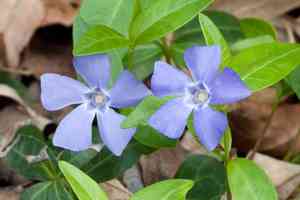
Vinca minor, recognized for its attractive blue-purple blooms and evergreen foliage, is a favored ground cover. It flourishes in diverse settings, from shaded areas to sun-exposed locations. However, comprehending its particular hydration demands is crucial for its prosperity. This plant prefers consistently damp soil, ensuring its roots remain adequately hydrated without becoming waterlogged. Irrigating it weekly is generally sufficient, but frequency can vary based on climate and soil conditions.
How Soil Composition Influences Watering Frequency
The type of soil where your Vinca minor is planted will significantly affect how often you need to irrigate it. Sandy soils drain rapidly, necessitating more frequent watering to maintain moisture levels. Conversely, clay soils retain water longer, requiring less frequent irrigation. Ideally, planting Vinca minor in well-draining soil enriched with organic matter will provide a balanced moisture environment, promoting robust growth and minimizing the risk of root rot.
Optimal Practices for Irrigating Your Vinca minor
When to Irrigate: Identifying Thirst Signals in Vinca minor
Recognizing when your Vinca minor requires water can prevent both insufficient and excessive watering. Common indicators that your plant needs moisture include drooping leaves and a dull appearance. To accurately assess hydration, you can insert your finger approximately 5 centimeters (2 inches) into the soil. If it feels dry at this depth, it's time to irrigate. Ensuring the soil remains uniformly moist, but not saturated, will keep your plant healthy and vibrant.
Watering Methods for Peak Hydration and Plant Vitality
When irrigating your Vinca minor, it's important to water deeply and thoroughly. This encourages the roots to extend further into the soil, making the plant more resilient during dry spells. Utilizing a watering can with a narrow spout can help direct the water precisely to the plant's base, reducing the risk of fungal diseases from wet foliage. Additionally, applying mulch around the plant's base can help retain soil moisture and decrease watering frequency.
Seasonal Adjustments to the Irrigation Schedule
Modifying your watering schedule according to the seasons is vital for your Vinca minor's health. During hot summer months, the plant may require more frequent irrigation due to increased evaporation and heat stress. Conversely, in cooler seasons like autumn and winter, you can reduce watering frequency as the plant's growth decelerates. Always be attentive to changes in your plant's appearance and soil dryness to fine-tune your irrigation practices.
Common Errors to Avoid When Watering Vinca minor
Excessive Watering: Dangers and Prevention
Overwatering can lead to numerous problems for your Vinca minor, including root rot and fungal infections. To prevent overwatering, ensure the soil has adequate drainage and never allow your plant to sit in standing water. Use a moisture meter to check soil hydration levels and only irrigate when necessary. If you observe yellowing leaves or a soft texture in the lower stems, these could indicate overwatering, and you'll need to adjust your watering habits accordingly.
Insufficient Watering: Recognizing and Correcting Early Signs
Conversely, underwatering can stress your plant, resulting in wilting, brown leaf edges, and stunted development. To remedy underwatering, increase irrigation frequency and ensure the water penetrates deeply into the soil. It's also beneficial to water in the early morning or late evening to minimize water loss through evaporation and give your plant the best chance to absorb moisture.
Innovative Tools and Devices to Aid in Watering Your Vinca minor
Utilizing Moisture Meters for Precise Irrigation
Moisture meters are an excellent tool for ensuring your Vinca minor receives the correct amount of water. These devices measure the soil's moisture content, helping to eliminate guesswork from watering. Insert the probe into the soil near the plant's roots and read the meter. If the reading indicates dry or barely moist soil, it's time to irrigate. This accurate monitoring can prevent both over and under watering.
Automated Irrigation Systems: Advantages and Disadvantages
Automated watering systems can be a convenient method to maintain a consistent irrigation schedule, especially for busy gardeners. These systems can be programmed to water your Vinca minor at regular intervals, ensuring consistent soil moisture. However, they also have drawbacks, such as the initial expense and the risk of overwatering if the system isn't properly supervised. Regular checks and adjustments are necessary to ensure the system meets the plant's evolving water requirements.



