How Often Should You Water Your Broad bean?
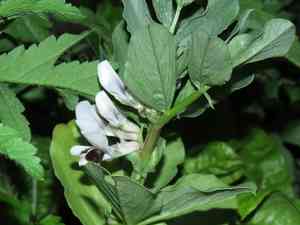
1
Irrigation schedule: Broad bean plants generally require watering two times weekly.
2
Optimal watering period: Morning hours are ideal for watering to minimize water loss through evaporation and enable plants to absorb hydration all day.
3
Mulch recommendation: Applying organic mulches such as straw or compost can considerably decrease watering needs by preserving soil moisture.
Grasping Broad Bean Hydration Needs
Factors Affecting Water Requirements?
Understanding the hydration demands of Broad bean plants is crucial for their robust development. Several elements influence these water needs, including the plant's developmental stage, soil composition, and local climatic conditions. Seedlings and young plants, for example, require more frequent irrigation to establish strong root systems. Loamy soil, which holds moisture yet drains well, also impacts the quantity and frequency of watering. Furthermore, weather elements like temperature and humidity can significantly alter the water volume your Broad bean plants might need.
Indicators of Adequate Hydration in Broad Bean
Proper hydration manifests in the vibrant health of your Broad bean plants. Well-watered plants exhibit firm, upright stems and lush green foliage. Their pods are plump and develop smoothly without any shriveling. Conversely, under-hydrated plants may display wilted leaves and slower growth, while over-hydrated plants can show yellowing leaves and root decay. Regular inspection for these signs helps ensure they receive the correct amount of water.
Dangers of Excessive and Insufficient Watering
The risks associated with overwatering and underwatering your Broad bean plants are considerable. Overwatering can lead to root rot, which impedes growth and can ultimately kill the plant. Symptoms include yellowing leaves and a soft stem base. Conversely, insufficient watering stresses the plant, causing leaf wilting, delayed pod formation, and reduced harvests. Both conditions can increase susceptibility to diseases and pests, making a balanced watering regimen vital.
Broad Bean Watering Frequency
Seasonal Irrigation Guide
Watering requirements for Broad bean plants can fluctuate with the seasons. In spring and autumn, when temperatures are milder, watering twice weekly is generally adequate. During the warmer summer months, you might need to increase frequency to every other day or even daily, depending on heat and drought conditions. Winter, however, may necessitate reduced watering as the plant enters dormancy and rainfall typically increases.
Adjusting Watering Based on Weather Patterns
Weather conditions play a critical role in determining the irrigation schedule for your Broad bean plants. During periods of heavy rainfall, you may need to decrease watering to prevent soil saturation. Conversely, during heatwaves or dry spells, plants will require more frequent watering to cope with the lack of natural moisture. Monitoring local weather forecasts and adapting your watering habits accordingly can protect your plants from stress and dehydration.
Optimal Watering Methods for Broad Bean
Selecting Appropriate Watering Equipment
Choosing suitable watering tools can significantly impact how effectively your Broad bean plants absorb water. Soaker hoses and drip irrigation systems are excellent choices as they deliver water directly to the root zone, minimizing evaporation and runoff. If you prefer using a watering can or garden hose, ensure the water flows gently to avoid disturbing the soil and harming the plants. Tools with adjustable nozzles can help you better control water flow and distribution.
Watering Depth and Coverage Advice
When irrigating Broad bean plants, the depth and spread of water are key considerations. Aim to moisten the soil to a depth of approximately 15-20 cm (6-8 inches), ensuring roots receive ample hydration. Distribute water evenly around the plant base to prevent pooling, which can lead to root diseases. Watering in the early morning is also beneficial, as it allows plants to absorb moisture before the day's heat increases evaporation.
Maintaining Soil Moisture for Broad Bean
The Function of Mulching
Mulching plays a crucial role in preserving soil moisture for Broad bean plants. Applying a layer of organic mulch, such as straw, wood chips, or compost, helps retain moisture by reducing evaporation. Mulch also moderates soil temperature, keeping it cooler in summer and warmer in winter. Additionally, as mulch decomposes, it enriches the soil with organic matter, further benefiting plant health and growth.
Assessing Soil Moisture Levels Before Irrigation
Before watering your Broad bean plants, it's prudent to check soil moisture levels to prevent overwatering. You can use a simple method like inserting your finger about 5 cm (2 inches) into the soil. If the soil feels dry at this depth, it's time to water. Alternatively, a soil moisture meter can provide more precise readings and help you maintain optimal soil moisture levels. Paying attention to these measurements can support healthier plant growth and better yields.



