How Often Should You Water Your Sweet viburnum?
1
Provide water to your Sweet viburnum two times weekly for robust development.
2
Always irrigate your Sweet viburnum during the early hours or late in the day to lessen water loss through evaporation.
3
Applying a mulch layer around your Sweet viburnum aids in keeping the soil moist and safeguarding its root system.
Grasping the Hydration Requirements of Sweet Viburnum
Indicators of Proper Hydration
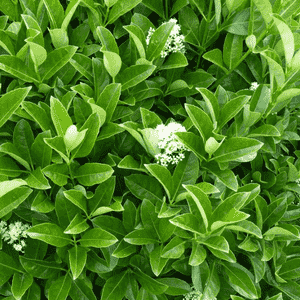
When your Sweet viburnum receives adequate moisture, its foliage will appear vibrant and robust. You'll observe rich, green leaves that show no signs of distress or wilting. If the leaves are firm and the plant exhibits steady growth, you are likely meeting its water demands. Furthermore, the surrounding soil should feel damp to the touch, but not saturated or excessively dry.
Symptoms of Excessive and Insufficient Watering
Over-irrigating your Sweet viburnum can lead to root decay, where the roots lack sufficient oxygen. Signs of overwatering include yellowing leaves, a soft texture at the plant's base, and standing water in the soil. Conversely, under-watering will result in parched, brittle leaves, and the plant may droop or sag. Address these issues promptly by modifying your watering practices.
Seasonal Hydration Demands
Sweet viburnum's water needs can fluctuate with the seasons. During the active growth period in spring and summer, more frequent irrigation might be necessary due to increased evaporation and plant development. Conversely, in cooler months during autumn and winter, you should decrease watering frequency, as the plant's growth slows. Always consider the season when planning your watering regimen.
Optimal Practices for Hydrating Sweet Viburnum
Optimal Watering Times During the Day
Early morning or late evening is the ideal time to water your Sweet viburnum. Watering during these periods minimizes evaporation and ensures the plant absorbs the necessary moisture. Avoid watering during the hottest part of the day, as this can lead to rapid water loss and inefficiency.
Selecting Appropriate Watering Implements and Methods
To efficiently water your Sweet viburnum, utilize suitable tools such as a watering can with a fine nozzle or a garden hose with a gentle spray attachment. These tools can help distribute water evenly without causing soil erosion. Deep watering techniques, where water is allowed to penetrate the soil thoroughly, are highly recommended to foster robust root development.
Monitoring Soil Moisture Levels
Regularly check the soil's moisture content to ensure your Sweet viburnum receives the correct amount of water. Insert a moisture meter or simply use your finger to assess the top 5-8 cm (2-3 inches) of soil. If it feels dry, it's time to irrigate. Consistent monitoring allows you to adjust watering frequency based on the plant's requirements and environmental conditions.
Common Questions Regarding Sweet Viburnum Hydration
How often should young plants be watered?
Young Sweet viburnum plants require more frequent watering compared to mature ones. Water young plants approximately three times per week to support their root establishment. Ensure the soil remains consistently moist but not waterlogged to promote healthy development.
Can mulching aid in moisture retention?
Yes, applying mulch around your Sweet viburnum is an excellent method to conserve soil moisture. Spread a layer of organic mulch, such as wood chips or straw, around the plant's base. This helps reduce evaporation, maintains stable soil temperature, and inhibits weed growth. Be sure to keep mulch a few centimeters (about an inch) away from the stem to prevent rot.
How should the watering schedule adapt to extreme weather?
In extreme weather conditions, such as intense heat or drought, you may need to increase your watering frequency to prevent stress on your Sweet viburnum. Conversely, during periods of significant rainfall or when temperatures drop considerably, reduce watering to prevent over-saturation. Adjusting your watering schedule based on weather conditions is vital for the plant's well-being.



