How Often Should You Water Your Koreanspice viburnum?
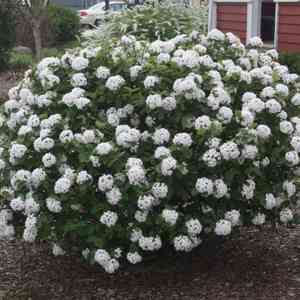
1
During its active growth phase, irrigate your Koreanspice viburnum bi-weekly to ensure peak vitality.
2
Prior to each watering, assess the soil's dampness at a depth of 5-10 cm (2-4 inches).
3
Applying mulch aids in preserving ground moisture, thereby lessening the necessity for frequent irrigation.
Understanding the Hydration Needs of Koreanspice Viburnum
Elements Influencing Water Requirements
The hydration demands of your Koreanspice viburnum can fluctuate based on several aspects. These include the plantâs developmental stage, the soil type it's planted in, local climatic conditions, and its specific garden placement. For example, young plants or recently transplanted shrubs generally need more frequent watering than established ones. Sandy soils drain quickly and might require more frequent irrigation, whereas clay soils hold moisture longer. Itâs also worth noting that plants in direct sunlight will typically need more water than those in shaded areas. Always adjust your watering routine to account for these factors for thriving and vibrant Koreanspice viburnum bushes.
Indicators of Excessive and Insufficient Watering
Recognizing the signs of overwatering and underwatering is vital for preserving the health of your Koreanspice viburnum. Over-hydrated plants may display yellowing foliage, root decay, and wilting despite being in wet soil. Conversely, under-hydrated plants often have crisp, brown leaf edges, wilting during the warmest part of the day, and stunted growth. By observing your plant for these indicators, you can modify your watering schedule as necessary. Always aim for consistently damp but well-drained soil for optimal outcomes.
Optimal Watering Practices for Koreanspice Viburnum
Seasonal Watering Adjustments
The hydration requirements of Koreanspice viburnum change with the seasons. During the spring and summer months, when the plant is actively growing, maintain a watering routine of twice per week. In contrast, during autumn and winter, water less frequently, reducing it to once every two weeks as the plant enters dormancy. Always consider rainfall; if you experience a particularly wet period, adjust your watering schedule accordingly to prevent over-hydration.
Correct Methods for Watering Koreanspice Viburnum
Proper watering techniques are crucial for the well-being of your Koreanspice viburnum. Water in the morning to allow leaves and soil time to dry, preventing fungal diseases and mildew. Focus on the root area rather than overhead watering; a soaker hose or a drip irrigation system works exceptionally well for this purpose. When watering, ensure the soil is moist down to the root level, approximately 15-30 cm (6-12 inches) deep. This promotes deep root development, making the plant more drought-resistant.
Maintaining Moisture Equilibrium
Mulching Strategies to Retain Soil Moisture
Mulching is a beneficial practice for preserving soil moisture. Apply a 5-7 cm (2-3 inch) layer of organic mulch, such as wood chips or shredded bark, around the base of your Koreanspice viburnum. Mulch helps maintain consistent soil moisture levels, suppresses weed growth, and keeps the soil temperature stable. Be sure to keep the mulch a few centimeters away from the stem to prevent rot. Regularly replenish the mulch to sustain its advantages throughout the year.
Monitoring Soil Hydration Levels
Regularly checking soil moisture is essential to ensure your Koreanspice viburnum is neither too dry nor too wet. Insert a soil moisture meter or simply use your finger to check the soil down to a depth of 5-10 cm (2-4 inches). The soil should be moist at this depth. Another effective method is to observe the appearance and feel of the soil. Soil that forms a loose ball when squeezed typically has adequate moisture, while if it crumbles or feels dry, it's time to water. Monitoring these conditions will help you maintain a healthy balance.



