How Often Should You Water Your Flat-leaved vanilla?
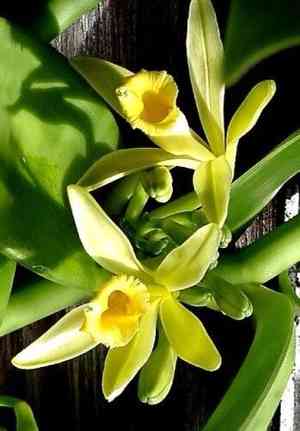
1
Provide moisture to your Flat-leaved vanilla on a weekly basis for its well-being and growth.
2
Opt for purified or collected rain instead of municipal water to prevent mineral accumulation.
3
Modify how often you water based on active growth and rest phases to ensure the plant's best condition.
Grasping the Hydration Requirements of Flat-leaved vanilla
Indicators of Adequate Moisture
Ensuring your Flat-leaved vanilla receives sufficient moisture is vital for its well-being. A primary sign of proper hydration is the appearance of its foliage. Healthy Flat-leaved vanilla leaves should be vibrant green, firm, and possess a slight sheen. Furthermore, new growth, such as shoots and leaves, should emerge consistently. Another positive sign is robust root development. Assessing the soil's moisture level, approximately 2-3 centimeters (about 1 inch) from the surface, can also clarify its hydration status. If it feels damp to the touch, your watering is likely sufficient.
Symptoms of Excessive and Insufficient Watering
Achieving the right balance between overwatering and underwatering is crucial. Overwatering typically presents as yellowing leaves and a wilting plant, even though the soil is saturated. Additionally, waterlogged soil often emits a musty odor dueencing root rot. Conversely, underwatering symptoms include dry, brittle leaf edges and stunted plant growth. The soil will also appear parched and may even pull away from the pot's interior. Recognizing these indicators promptly allows for timely adjustments to your watering regimen.
Optimal Practices for Irrigating Flat-leaved vanilla
Selecting the Appropriate Water Source
Utilizing the correct water is fundamental for your Flat-leaved vanilla. Tap water frequently contains chlorine and fluoride, which can accumulate and harm the plant's root system. Therefore, it is preferable to use filtered water or collect rainwater for irrigation. Besides being free of detrimental chemicals, rainwater is slightly acidic, mimicking the plant's natural environment. If tap water is your only option, allow it to sit for 24 hours to permit chlorine evaporation before use.
Watering Methods and Tools
The manner in which you water your Flat-leaved vanilla is as significant as its frequency. Ensure thorough saturation by pouring until water drains from the pot's base; this prevents salt buildup and guarantees roots receive ample moisture. Tools like moisture meters can accurately gauge soil humidity levels, preventing both over and underwatering. For a more traditional approach, inserting a wooden skewer into the soil and checking for dampness can also be effective.
Seasonal Watering Adjustments
Your Flat-leaved vanilla will have varying hydration needs throughout the year. During the active growth period, typically spring and summer, more frequent watering is necessary due to heightened metabolic activities. In contrast, during the dormant phases of fall and winter, reduce watering as the plant's metabolic rate decreases. Always monitor the plant and soil conditions to fine-tune your watering schedule based on seasonal shifts.
Common Errors to Avoid When Hydrating Flat-leaved vanilla
Frequent Watering Missteps
A common error is adhering to a rigid watering schedule without assessing the plant's actual requirements. Another mistake is allowing water to accumulate in the saucer, which leads to root rot. Using cold water can shock the plant, so it's best to use water at room temperature. Also, avoid directly watering the foliage to prevent fungal issues; focus on the soil instead.
Strategies to Prevent Water Stress
Preventing water stress involves several straightforward yet effective practices. Always verify the soil moisture level before providing water. Employ well-draining soil to prevent waterlogging. Consider applying organic mulch to retain soil moisture and decrease watering frequency, especially during warmer months. Finally, maintain an appropriate humidity level around the plant to prevent dehydration.
FAQs Regarding Flat-leaved vanilla Watering
How do I determine if my Flat-leaved vanilla requires water?
Your Flat-leaved vanilla communicates its thirst through its soil and leaves. Insert your finger 2-3 centimeters (1 inch) into the soil; if it feels dry, it's time to water. Observing dull or drooping leaves also signals a need for hydration.
Is tap water suitable for my Flat-leaved vanilla?
While using tap water is possible, it's not optimal due to minerals like chlorine and fluoride. Filtered water or rainwater is preferable. If only tap water is available, let it sit for 24 hours to allow chlorine to dissipate before use.
What is the optimal time of day to water my Flat-leaved vanilla?
The best time to water your Flat-leaved vanilla is in the early morning before temperatures rise. This timing allows water to permeate the soil and reach the roots before rapid evaporation. Evening watering is your next best option, but avoid it if the night is particularly cool, as prolonged dampness can encourage fungal problems.



