How Often Should You Water Your Winged elm?
1
Provide water to your Winged elm around two times weekly during its period of active growth.
2
Employ a moisture sensor to assess the soil's hydration level and prevent excessive watering.
3
Modify how often you water according to the soil type your Winged elm is situated in.
Understanding the Hydration Requirements of Winged Elm
The Fundamentals of Winged Elm Watering
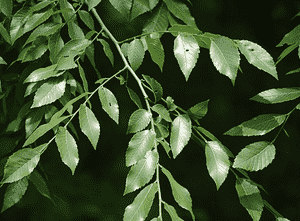
The Winged elm is a adaptable and robust tree indigenous to the southeastern United States. Recognized for its distinctive, cork-like structures along its branches, it brings both charm and practicality to landscapes. However, to preserve its health and aesthetic appeal, comprehending its watering demands is essential. Winged elm trees generally flourish with moderate irrigation, though this can fluctuate based on several elements. By supplying consistent moisture, you can ensure your tree develops healthily and vigorously.
Elements Affecting Water Demands
Various elements can impact the amount of water your Winged elm requires. Climate plays a crucial role; trees in hotter, arid regions will necessitate more frequent irrigation compared to those in cooler, humid areas. Soil composition is another vital consideration; sandy soils drain rapidly and might need more frequent watering, whereas clayey or loamy soils retain moisture for longer. Furthermore, the tree's age and size are important; younger trees require more frequent watering to establish their root systems. Lastly, seasonal shifts also influence water needs, with the active growth period demanding more frequent hydration compared to dormant phases in winter.
How to Properly Irrigate Your Winged Elm
Optimal Watering Method
Properly watering your Winged elm involves a balance of regularity and volume. Aim to water deeply but less often, which promotes deeper root growth, making the tree more drought-resistant. Begin by saturating the area around the tree's base until the soil is moist, approximately 10-15 cm (4-6 inches) deep. This typically equates to about 7-10 liters (1.5-2 gallons) of water. Avoid directly wetting the leaves, as this can encourage fungal diseases. Instead, concentrate on the root zone.
Indicators of Sufficient Watering
Knowing when your Winged elm is adequately watered can prevent both insufficient and excessive irrigation. Look for signs such as vibrant, green foliage and steady, strong growth. The soil should feel damp but not saturated. Utilize a moisture meter to accurately assess the moisture level around the root zone. Another effective method is the 'finger test'âinsert your finger about 5 cm (2 inches) into the soil; it should feel moist. If the soil is dry or excessively wet at that depth, adjustments are necessary.
Common Watering Errors to Avoid
A frequent error in watering Winged elm trees is overwatering. Too much water can lead to root rot and other ailments. Ensure the soil has good drainage and is not waterlogged. Another mistake is using sprinklers that do not effectively reach the root zone. Opt for drip irrigation or soaker hoses instead. Finally, avoid shallow watering, as it can cause roots to remain near the surface, making the tree more vulnerable to drought.
Seasonal Watering Adjustments for Winged Elm
Watering During the Growing Season
The growing season, extending from spring to early autumn, is when your Winged elm will demand the most water. During this period, aim to water approximately twice per week, ensuring the soil remains consistently moist. Pay close attention during particularly hot and dry spells, as you may need to increase the frequency. Applying mulch around the tree's base can help retain soil moisture and reduce the need for frequent watering.
Winter Watering Practices
In winter, Winged elm trees enter a dormant state, significantly reducing their water requirements. During this time, you can decrease watering to once every two to three weeks, focusing solely on preventing the soil from becoming completely dry. Be mindful of weather patterns; if there is ample rainfall, additional watering may not be necessary. Ensure the soil remains slightly moist but never waterlogged to prevent root damage.
Advanced Recommendations for Optimal Winged Elm Care
Utilizing Moisture Meters and Other Instruments
Advanced tools like moisture meters can be invaluable for maintaining ideal soil moisture for your Winged elm. These devices measure the soil's moisture content and can help you prevent overwatering or underwatering. Place the moisture meter in various locations around the root zone to obtain an accurate reading. Soil moisture levels should ideally range between 30%-60%. Additionally, consider using soil moisture sensors that can connect to irrigation systems, automating the watering process based on real-time data.
Adjusting Watering Based on Soil Composition
The type of soil your Winged elm is planted in can significantly influence its water needs. Sandy soils drain quickly and will require more frequent watering. In contrast, clay or loamy soils retain moisture longer, allowing for less frequent watering. Conduct a soil test to determine your soil type and adjust your watering schedule accordingly. Add organic matter or compost to sandy soils to enhance water retention, and ensure that clay soils are well-drained to prevent waterlogging.



