How Often Should You Water Your Silver inch plant?
1
Provide moisture to your Tradescantia zebrina approximately once a week. Modify the schedule according to the plant's placement and ambient factors.
2
Prevent the soil from becoming saturated to protect against root decay. Confirm proper water runoff.
3
Step up irrigation during vigorous growth phases, like spring and summer.
Deciphering the Hydration Needs of Silver inch plant
The Crucial Role of Proper Moisture for Silver inch plant
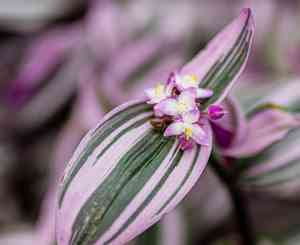
Correct moisture levels are vital for your Silver inch plant's vitality and development. This stunning houseplant, recognized for its eye-catching silver and green foliage, demands a balanced irrigation regimen to flourish. Insufficient water leads to drought stress, causing leaves to droop and lose their vibrant hue. In contrast, excessive watering can result in root rot and other fungal problems. Achieving the right balance ensures your Silver inch plant remains lush and colorful throughout the year.
Indicators That Your Silver inch plant Requires Water
Monitoring your Silver inch plant for signs of water deficiency is essential for appropriate care. Indications your plant needs watering include sagging or flaccid leaves, dull coloration, and parched soil. When adequately hydrated, its leaves should be firm and its colors vivid. Consistently checking the soil's dampness with your finger, confirming it feels slightly moist (but not saturated) will prevent both under and overwatering.
Effective Methods for Watering Your Silver inch plant
Selecting the Optimal Watering Strategy
The secret to successfully watering your Silver inch plant lies in employing the correct method. A thorough soaking, where water is applied until it drains from the pot's bottom holes, ensures complete root system hydration. Avoid superficial watering, as it can lead to uneven moisture distribution and hindered root development. Using room-temperature water is ideal to prevent shocking the plant. Allow the soil to dry out slightly between waterings to maintain equilibrium.
Advice for Ensuring Consistent Soil Moisture
Maintaining uniform soil moisture is critical for your Silver inch plant's well-being. To achieve this, consider these suggestions: utilize a well-draining potting mix, often containing perlite or sand, to avert waterlogging. Confirm the pot has sufficient drainage holes to prevent stagnant water accumulation. Applying a light layer of mulch to the topsoil can help retain moisture, especially in arid conditions. Regularly rotating the container can also promote even light exposure, indirectly aiding in consistent water absorption by the plant.
Frequent Errors in Watering Silver inch plant
Excessive Watering: Identifying Symptoms and Prevention
Overwatering stands as one of the most prevalent errors in Silver inch plant maintenance. Symptoms include yellowing leaves, soft stems, and a foul odor signifying root rot. To avert overwatering, ensure the soil is allowed to slightly dry between irrigations. Utilizing containers with drainage holes and avoiding water-filled saucers beneath the pot can also be beneficial.
Insufficient Watering: Recognizing and Rectifying
Conversely, underwatering can also be harmful. When deprived of adequate water, the Silver inch plant may exhibit drooping foliage, dry potting mix, and stunted development. To correct underwatering, gradually increase irrigation frequency, making sure the soil stays consistently moist but not saturated. A regular watering routine, combined with attentive observation, will aid in maintaining optimal hydration for your plant.
Seasonal Adjustments for Watering Your Silver inch plant
Modifying Watering Practices from Warm to Cold Seasons
Seasonal shifts significantly impact the Silver inch plant's hydration demands. During summer months, when the plant is actively growing, increase watering frequency to align with its heightened water consumption. Conversely, in winter, as growth decelerates, reduce irrigation frequency to prevent overwatering. Closely monitoring soil moisture and plant behavior during these transitions will help you adapt your watering schedule appropriately.
The Influence of Environmental Factors on Watering Frequency
Environmental elements such as humidity, temperature, and light exposure profoundly affect watering requirements. In a brightly lit area or high-temperature zones, the soil may dry out more rapidly, necessitating more frequent irrigation. Conversely, in a shadier or cooler spot, watering needs will diminish. By tracking these environmental conditions and making necessary adjustments, you can ensure your Silver inch plant remains well-hydrated and thriving throughout the year.



