How Often Should You Water Your Garden thyme?
1
Thyme in the garden thrives in soil that drains efficiently, which helps avoid root decay from excessive moisture.
2
The watering schedule for garden thyme needs to change with the seasons: reduce in colder months, increase in warmer months.
3
Water your garden thyme weekly, ensuring the soil has a chance to dry completely between each watering.
Deciphering the Hydration Requirements of Garden Thyme
Optimal Irrigation Conditions for Garden Thyme
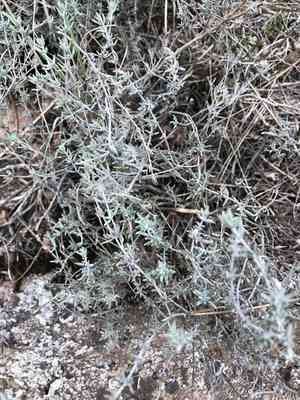
Garden thyme, prized for its aromatic leaves and culinary applications, flourishes best in well-drained substrate. Supplying your thyme plants with the correct volume of water is vital for their vigor and development. Typically, Garden thyme should be irrigated weekly, permitting the soil to slightly dry out between watering sessions. This plant is tolerant of dry spells and favors a somewhat arid environment over excessive dampness.
Indicators of Excessive or Insufficient Watering
Overwatering can cause issues for Garden thyme, leading to root decay and other ailments. Symptoms of overwatering include foliage yellowing, wilting despite moist soil, and a generally unhealthy appearance. Conversely, too little water may result in leaves becoming dry, brittle, and brown. Monitoring your plant's leaves and soil moisture can help you achieve the correct balance.
Optimal Practices for Irrigating Garden Thyme
Seasonal Watering Modifications
Garden thyme's water demands fluctuate with the seasons. During the colder months of autumn and winter, the plant's growth diminishes, requiring less water. In contrast, the warmer spring and summer months necessitate more frequent irrigation as the plant actively develops. Adjusting the watering schedule to match seasonal shifts can help maintain peak plant health.
Correct Watering Methods
When hydrating Garden thyme, it's essential to water at the plant's base rather than from above. This aids in preventing fungal infections and keeps the foliage dry. Utilize a watering can with a slender spout to direct water precisely to the soil. Water deeply but infrequently, allowing the soil to fully absorb the moisture before the subsequent session.
Sustaining Optimal Soil Dampness
Selecting the Appropriate Soil Blend
Choosing the correct soil mixture is crucial for Garden thyme's vitality. A sandy or loamy soil blend that ensures good drainage will prevent roots from sitting in water, reducing the chance of rot. Incorporating perlite or fine gravel into the soil can also improve drainage.
Using Mulch to Preserve Moisture
Applying mulch around your Garden thyme can help retain soil moisture and stabilize soil temperature. Organic mulches, such as straw or bark chips, are effective. They should be applied in a thin layer to avoid excessive dampness while still providing the advantages of moisture conservation and weed suppression.
Observing and Modifying Watering Frequency
How to Utilize a Moisture Sensor
A moisture sensor is a useful device for ensuring your Garden thyme receives the appropriate amount of water. Insert the sensor into the soil near the root zone and check the reading. A reading indicating moist soil suggests you can postpone the next watering, whereas a dry reading means it's time to irrigate.
Monitoring Plant Health Signals
Beyond employing a moisture meter, observing the overall vigor of your Garden thyme can guide your watering routines. Robust, verdant leaves and consistent growth indicate that your plant is receiving the right amount of water. Any signs of distress, such as yellowing or wilting, should prompt a reevaluation of your watering regimen.



